Chasing an audio artifact on power loss
Source Entity
Hacker News
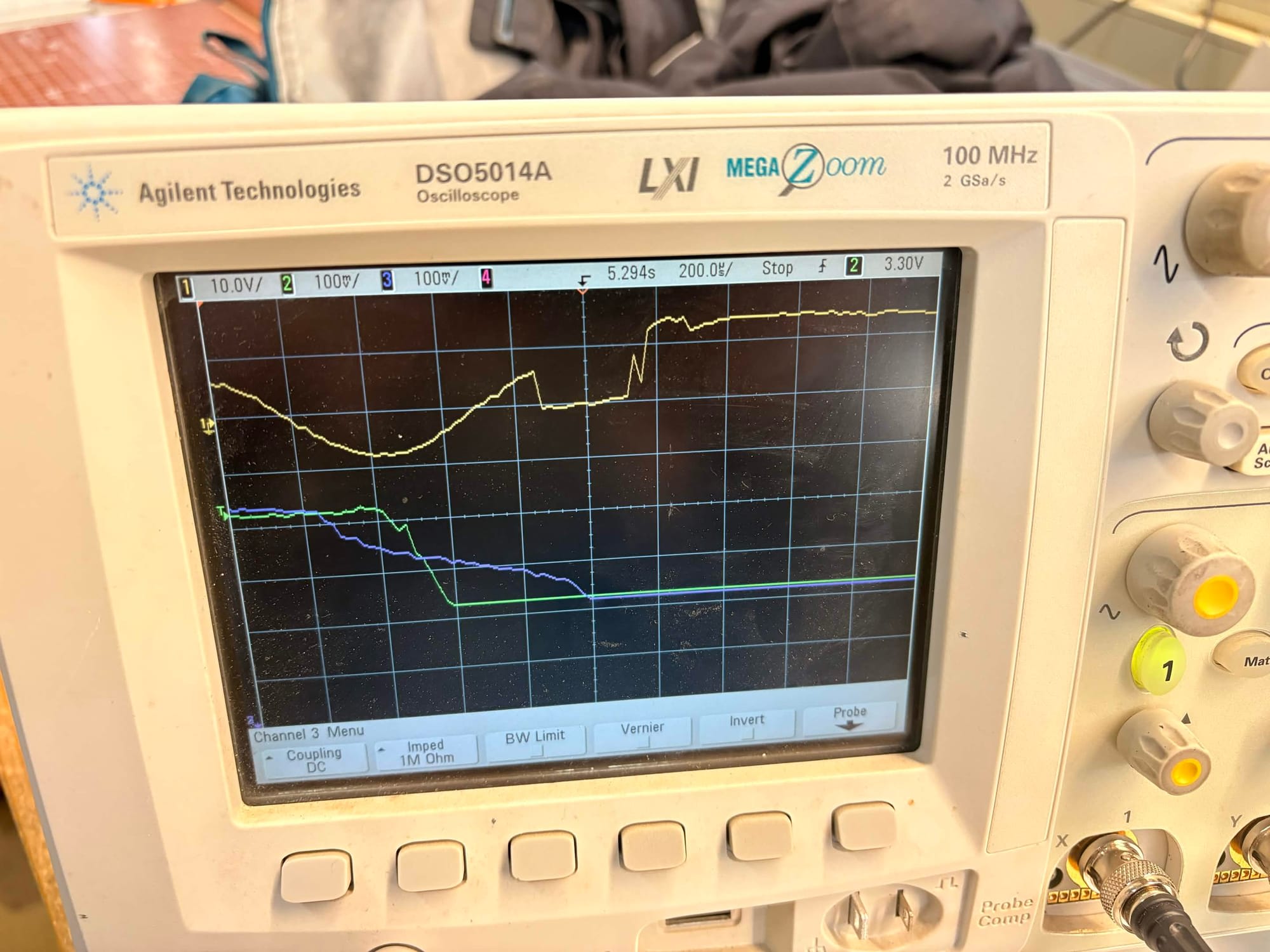
A developer successfully resolved an audible 'click' artifact occurring during power loss in their SA-01 synthesizer prototype. By implementing a specific muting circuit for the PCM5102A DAC, the engineer improved the device's signal integrity.
Engineering Excellence: Solving the SA-01 Audio Artifact
The Challenge of Signal Integrity
In the world of high-fidelity audio engineering, the transition states—powering on and powering off—are often where the most persistent technical challenges reside. The developer of the SA-01 synthesizer encountered a classic issue: an unwanted 'click' or 'thunk' sound emanating from the PCM5102A DAC during power loss events. While not inherently destructive to hardware, such artifacts represent a failure in the 'clean' user experience that professional-grade audio equipment must strive to achieve.
Analyzing the PCM5102A DAC
The PCM5102A is a widely used digital-to-analog converter known for its performance, but like many integrated circuits, it is sensitive to the sudden collapse of voltage rails. When power is abruptly cut, the DAC’s output stages may not ramp down gracefully, leading to a DC offset shift that manifests as an audible pop. The developer’s decision to meticulously analyze the datasheet and identify the manufacturer’s suggested muting circuit highlights the importance of adhering to technical specifications when designing sensitive signal paths.
Implementing Hardware Solutions
By integrating the specific muting circuit recommended by the manufacturer, the developer addressed the root cause of the noise rather than applying a superficial software-based band-aid. This approach is critical in hardware design, as it ensures that the protection mechanism is baked into the physical architecture of the board. This method is a hallmark of professional product development, where reliability is prioritized over expediency.
The Milestone of a Production Candidate
The announcement that the developer has a 'production candidate' prototype housed in a final-form-factor case marks a significant milestone in the SA-01 project. Transitioning from breadboard prototypes to a production-ready assembly is a complex process that involves electromagnetic compatibility (EMC) testing, thermal management, and final signal path optimization. Achieving this stage signifies that the project is nearing commercial or community release viability.
Future Implications for Synthesizer Design
This development serves as a case study for boutique hardware manufacturers. It underscores that even with high-quality components like the PCM5102A, the 'last mile' of audio design—handling power-off states—requires dedicated engineering effort. As the SA-01 moves toward its final production run, the resolution of these minor artifacts ensures that the end-user experience remains premium, setting a standard for quality that will likely influence future iterations of the synthesizer.
Conclusion
The resolution of the SA-01 audio artifact is a testament to the rigor required in modern electronic instrument design. By focusing on datasheet-compliant hardware solutions, the developer has successfully mitigated a common but disruptive design flaw, paving the way for a refined product launch.