Mehbooba Mufti Jabs Centre Over Sonam Wangchuk Protest, BJP Hits Back
Source Entity
NDTV News Search Records Found 1000
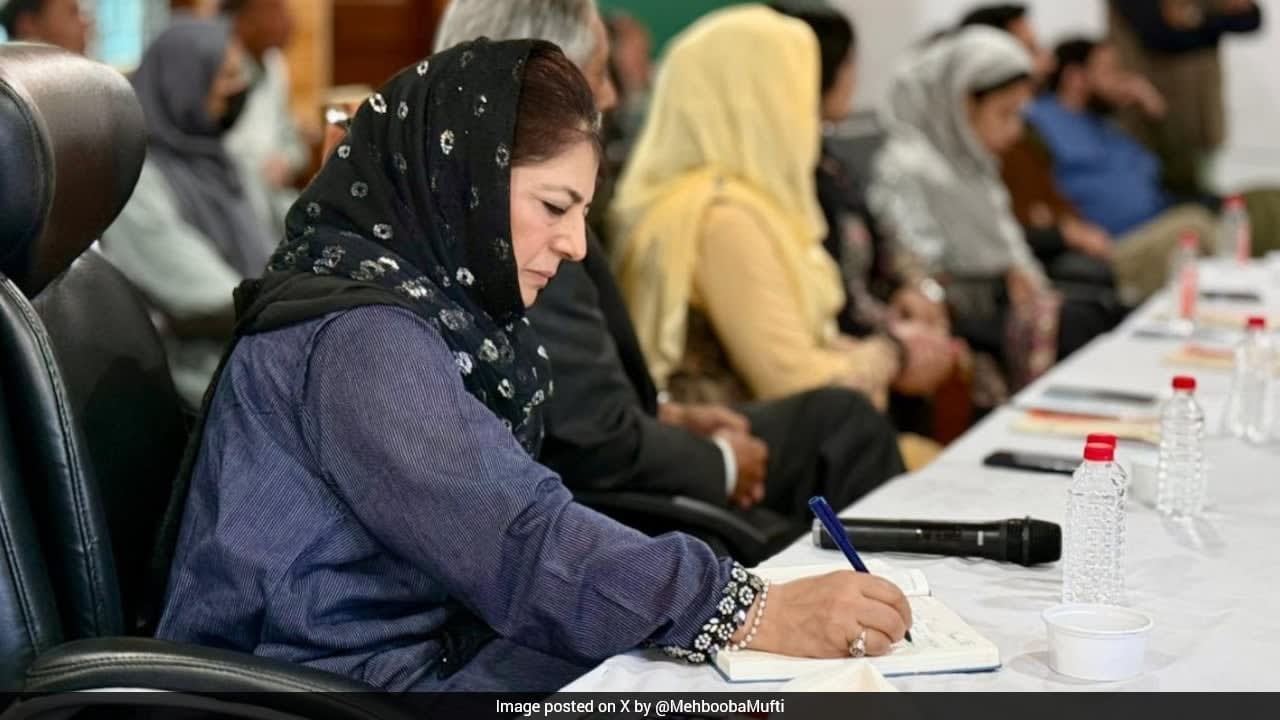
Activist Sonam Wangchuk and AISA student leaders are in critical condition following a 20-day hunger strike at Jantar Mantar. Despite medical warnings of potential organ failure, the protesters remain committed to their cause until a planned Parliament march on July 20.
The Escalating Crisis at Jantar Mantar
The protest site at Jantar Mantar has become the epicenter of a high-stakes standoff between civil society activists and the government. Climate activist and education reformer Sonam Wangchuk, alongside student leaders from the All India Students' Association (AISA)—specifically Neha, Manish, and Aameen—have entered their third week of an indefinite hunger strike. The situation has reached a precarious turning point, with medical professionals issuing dire warnings regarding the physical deterioration of the participants.
Medical Implications and Physical Toll
Medical reports indicate that Sonam Wangchuk has lost over 9.5 kg during his 20-day fast. While he remains mentally alert, doctors have cautioned that his body has begun consuming muscle mass, with the risk of impending organ failure. Similarly, the AISA activists are facing severe health complications; specifically, Neha, a PhD scholar at JNU, has shown dangerous fluctuations in blood sugar levels. Medical practitioners monitoring the site have categorized the condition of these activists as 'high risk,' noting that the situation could turn critical at any moment.
The Political Catalyst
The hunger strike is driven by distinct but intersecting grievances. Wangchuk’s protest, conducted under the banner of the Cockroach Janta Party (CJP), serves as a focal point for broader civic mobilization. Simultaneously, the AISA activists are demanding the resignation of Union Education Minister Dharmendra Pradhan, citing widespread exam leaks and systemic irregularities in the national education infrastructure. This convergence of climate advocacy and student-led institutional accountability highlights a growing frustration among various demographics regarding government responsiveness.
Legal and Institutional Intervention
In response to the deteriorating health of the protesters, the Delhi High Court has intervened, ordering the Union and Delhi governments to ensure regular, stringent monitoring of the activists' health. This judicial oversight underscores the severity of the situation, as the state is now legally obligated to manage the medical risks associated with such a prolonged strike. Despite this, the government has yet to provide a formal response that would satisfy the protesters' core demands.
The July 20 Deadline
Both Wangchuk and his supporters have signaled a resolute commitment to continue their fast until at least July 20, which marks the opening of the monsoon session of Parliament. Wangchuk has explicitly stated his intent to remain alive until this date, viewing the CJP-led march to Parliament as a critical juncture for their movement. By linking their physical survival to this specific political timeline, the protesters are attempting to force a national conversation on their issues just as legislative activities resume.
Broader Implications and Outlook
The ongoing protest at Jantar Mantar represents a significant challenge to the current political status quo. The involvement of diverse groups—from climate activists to student organizations—suggests a coalition-building effort that could resonate beyond the immediate protest site. As the July 20 deadline approaches, the pressure on the administration will intensify. The resolution of this standoff will likely depend on whether the government chooses to engage with the substantive demands regarding education reform and policy accountability or continues to maintain its current distance, despite the escalating health risks to the activists.
Multiple Citing Sources
Verification Required?