"No Permission": Prohibitory Orders Imposed Ahead Of Planned Parliament March
Source Entity
NDTV News Search Records Found 1000
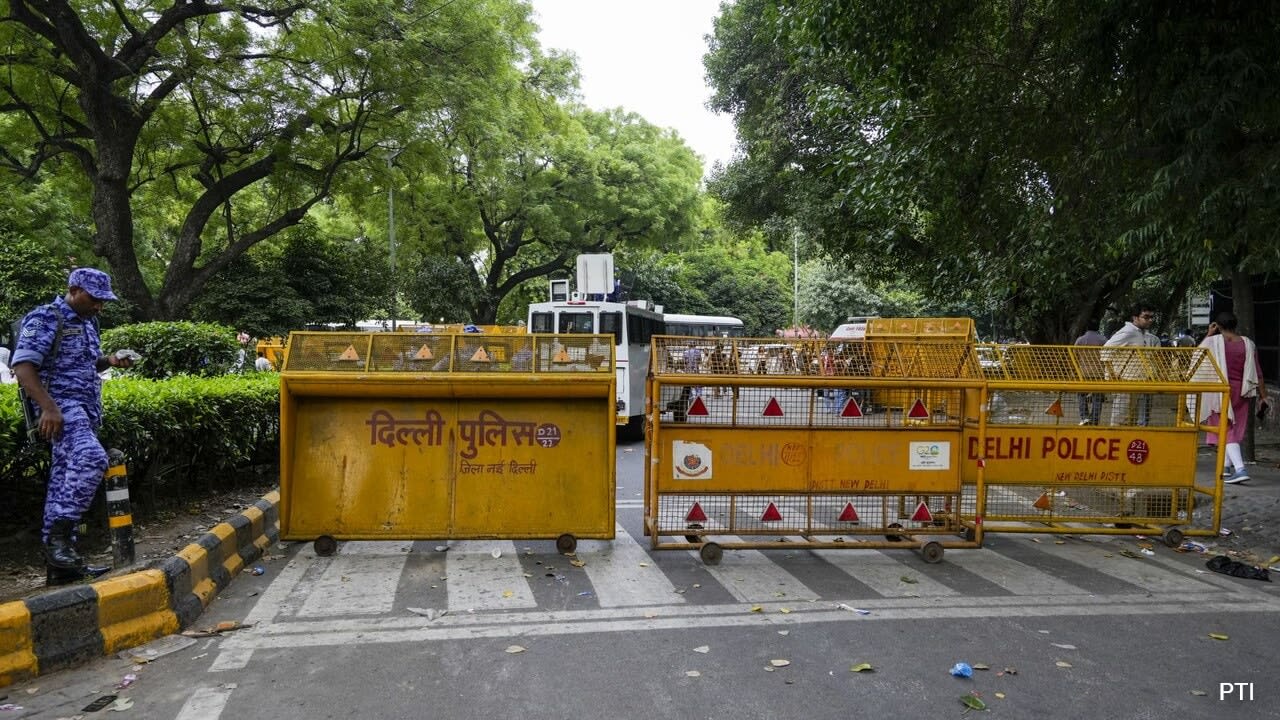
Climate activist Sonam Wangchuk has been hospitalized in Delhi after 21 days of an indefinite hunger strike. His removal by police and subsequent medical care have sparked significant public and political debate regarding the treatment of protesters.
The Hospitalization of Sonam Wangchuk: A Critical Juncture
On July 18, 2026, climate activist and educator Sonam Wangchuk was moved from his protest site to Safdarjung Hospital in New Delhi. This development occurred as his indefinite hunger strike, which had been ongoing for over 20 days, reached a critical medical threshold. According to the New Delhi Deputy Commissioner of Police (DCP), the transfer was facilitated to provide 'essential medical care,' a move reportedly aligned with Delhi High Court orders and expert medical advice intended to stabilize his deteriorating physical condition.
The Intersection of Protest and State Intervention
The removal of Wangchuk from the protest site has ignited intense scrutiny regarding the state's handling of civil dissent. While authorities maintain that the intervention was a necessary measure to protect the activist's life, the atmosphere surrounding the event remains charged. Reports indicate that the Cockroach Janta Party has accused the Delhi Police of using force, specifically citing lathi-charging against students present at the Jantar Mantar protest site. This escalation highlights the volatile nature of long-term hunger strikes as a form of political leverage in the capital.
Concerns Over Medical Autonomy
The situation has escalated into a dispute over medical autonomy and family rights. Gitanjali J. Angmo, Wangchuk’s wife, has publicly asserted that no medical procedures, whether oral or intravenous, should be administered to her husband without the explicit consent of his family and his personal medical team. This demand reflects a deep-seated distrust between the protesters and state-mandated medical interventions, emphasizing the need for transparency when the state takes custody of high-profile activists during health crises.
Broader Implications of the 'Cockroach Janta Party' Movement
What began as a social media satire has evolved into a significant protest movement, drawing attention to the efficacy of digital activism in mobilizing physical resistance. The involvement of the Cockroach Janta Party underscores a shift in how modern political movements are organized in India, blending online discourse with traditional forms of civil disobedience like hunger strikes. The detention of individuals like Abhijeet Dipke further complicates the narrative, suggesting a wider crackdown on those associated with the ongoing agitation.
Future Trends in Civil Activism
The hospitalization of a prominent figure like Wangchuk marks a potential turning point for the movement. As he remains under medical observation with stable vitals, the focus shifts to how the authorities will navigate the demands of the protesters moving forward. The incident serves as a case study for the challenges of managing long-term, non-violent protests in a high-density urban environment, indicating that future policy decisions regarding public assembly may face increased judicial and public oversight.
Multiple Citing Sources
Verification Required?