Soman Wangchuk Hospitalised Live Updates: Activist Taken To Safdarjung Hospital, He's Conscious, Vitals Stable: Report
Source Entity
NDTV News Search Records Found 1000
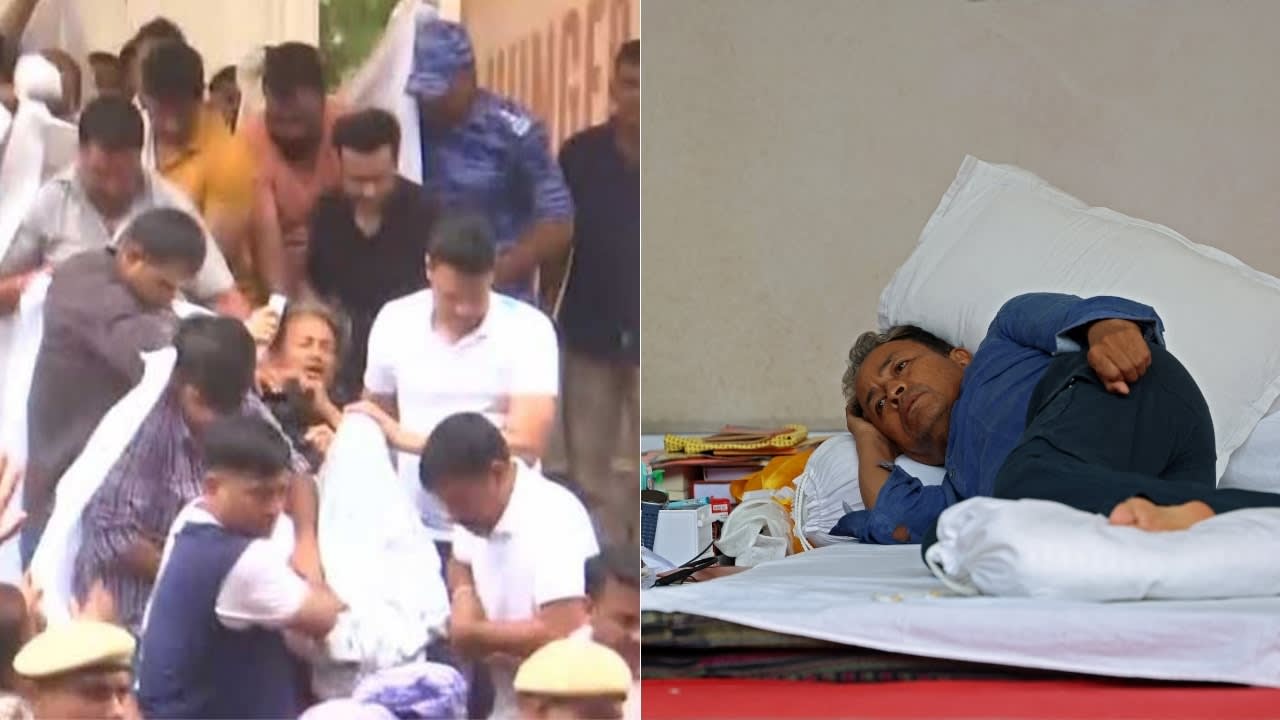
Climate activist Sonam Wangchuk has been hospitalized after 21 days of an indefinite hunger strike at Jantar Mantar. The situation has escalated with police intervention, the detention of CJP founder Abhijeet Dipke, and ongoing tensions regarding medical consent and protest rights.
The Escalation of the Sonam Wangchuk Protest
On July 18, 2026, the ongoing protest led by climate activist Sonam Wangchuk reached a critical juncture when he was shifted from the Jantar Mantar protest site to Safdarjung Hospital. Having completed 21 days of an indefinite hunger strike, Wangchuk’s deteriorating health prompted a medical intervention sanctioned by the Delhi High Court. This move, while framed by authorities as a necessary step for his survival, has ignited significant controversy regarding the state's handling of civil dissent.
Conflict Over Medical Autonomy
A primary point of contention following the hospitalization has been the issue of informed consent. Gitanjali J. Angmo, Wangchuk’s wife, has publicly demanded that no medical procedures, whether oral or intravenous, be administered without the explicit approval of his family and personal medical team. This tension highlights a broader struggle between the state's duty of care toward a citizen in custody or under judicial orders and the fundamental right of an individual to maintain autonomy over their own health decisions, especially in the context of political protest.
The Role of the Cockroach Janta Party
The protest has seen the active involvement of the 'Cockroach Janta Party' (CJP), an entity that has transitioned from social media satire to a focal point of organized dissent. The arrest of CJP founder Abhijeet Dipke by the Delhi Police, coupled with allegations of lathi-charges against students at the protest site, underscores the friction between the authorities and the movement. The CJP’s involvement reflects a modern trend in Indian political activism, where digital-native movements mobilize rapidly to challenge government narratives.
Political Implications and Police Action
The Delhi Police have maintained that the removal of Wangchuk was conducted in accordance with court directives to ensure his safety. However, the optics of the situation—forcibly removing a long-term hunger striker and detaining protest leaders—have drawn sharp criticism from supporters. The incident has intensified the political atmosphere, with the CJP and other allied groups escalating their rhetoric against the central government, setting the stage for further friction.
Future Outlook: The March to Parliament
As the situation develops, the focus shifts toward the upcoming march to Parliament scheduled for July 20. This planned escalation indicates that the supporters of Wangchuk’s cause are not deterred by the recent intervention. The combination of a high-profile activist’s health crisis and a mobilized base of supporters suggests that the government will continue to face pressure to address the underlying grievances that prompted this 21-day hunger strike.
Conclusion
The hospitalization of Sonam Wangchuk is more than a medical event; it is a flashpoint in the ongoing dialogue between the Indian state and its civil society. With the movement showing resilience and the government firm in its procedural approach, the next few days will be decisive in determining the trajectory of this protest and the potential for a negotiated resolution.
Multiple Citing Sources
Verification Required?