'May die in 2 days, lost 8. 5kg': Plea seeks 'force-feeding' of Sonam Wangchuk
Source Entity
TOI NEWS DESK
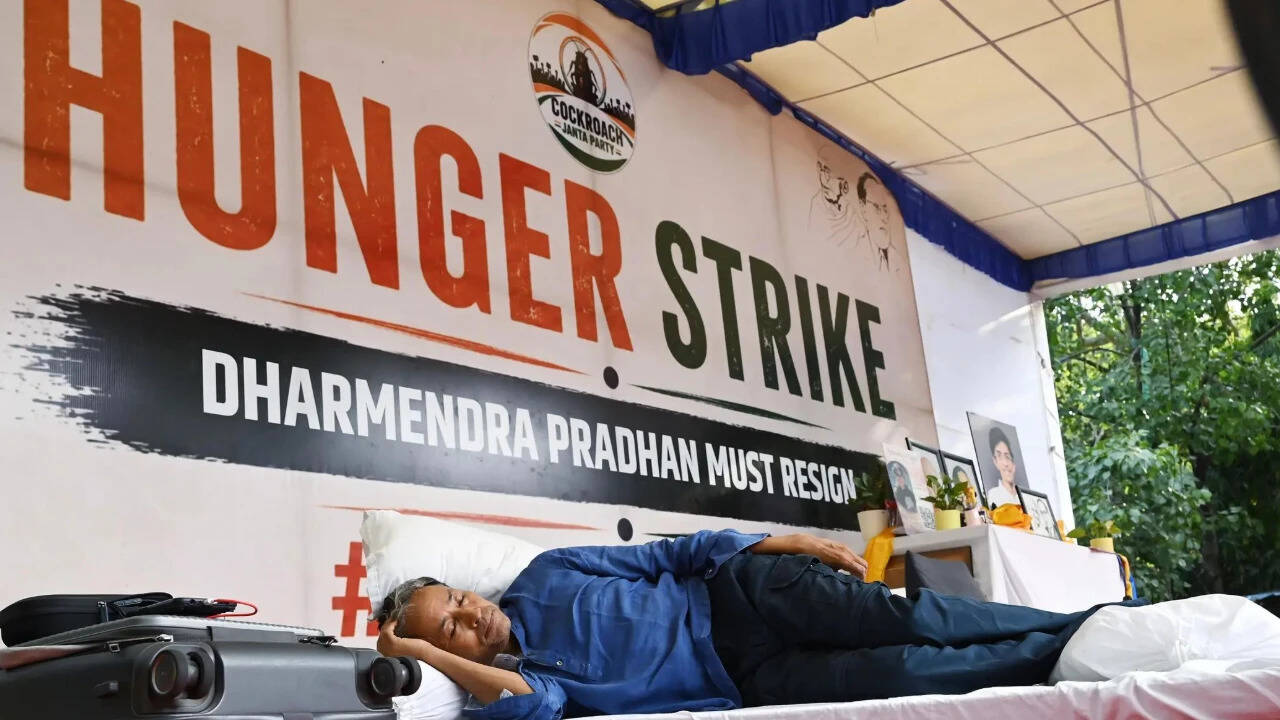
A legal plea has been filed seeking the urgent force-feeding of activist Sonam Wangchuk, who has reportedly lost 8.5kg during a hunger strike. The plea alleges that the government is treating Wangchuk like a 'hardcore criminal' despite his peaceful protest.
Critical Health Crisis: The Plea for Sonam Wangchuk's Survival
The recent legal plea seeking the 'force-feeding' of Sonam Wangchuk marks a harrowing escalation in the standoff between the Ladakhi activist and the Indian government. Reports indicate that Wangchuk's physical condition has deteriorated to a critical point, with a reported weight loss of 8.5kg, leading to fears that he may face imminent death within days if medical intervention is not prioritized. This plea is not merely a medical request but a stark indictment of the state's handling of a peaceful protester, highlighting a desperate attempt to save a life when political dialogue has failed.
Allegations of State Criminalization
A central and provocative element of the legal plea is the allegation that the government is treating Sonam Wangchuk as a "hardcore criminal, terrorist or traitor to the nation." This framing suggests a systemic shift in how the state perceives regional activism in sensitive border areas. By treating a renowned innovator and climate activist with the severity reserved for national security threats, the government risks alienating the very population it seeks to integrate. This approach reflects a tension between national security paradigms and the democratic right to dissent, where legitimate grievances regarding regional autonomy are viewed through a lens of suspicion.
The Root of the Protest: Ladakh's Constitutional Aspirations
To understand why Wangchuk has pushed his body to such an extreme, one must look at the underlying political struggle in Ladakh. Wangchuk has been a leading voice demanding that Ladakh be granted statehood and included under the Sixth Schedule of the Indian Constitution. The Sixth Schedule provides for the creation of Autonomous District Councils, which would allow the indigenous people of Ladakh to protect their fragile ecosystem, land rights, and unique cultural identity from external commercial exploitation. The hunger strike is a tool of last resort, intended to draw national attention to the feeling of abandonment felt by the people of the high-altitude region.
Historical Context of Hunger Strikes in India
Wangchuk's method of protest follows a long tradition of non-violent resistance and fasting in the Indian political landscape, most notably championed by Mahatma Gandhi. In the Indian context, the hunger strike is designed to create a moral crisis for the opponent, forcing the government to choose between negotiating or appearing indifferent to the death of a citizen. However, the current situation is complicated by the strategic importance of Ladakh as a border region. The government's reluctance to yield may be tied to a desire to maintain absolute administrative control over a region that shares volatile borders with China and Pakistan.
Broader Implications for Regional Activism
The outcome of this crisis will likely set a precedent for how the Indian state handles environmental and indigenous activism in strategically sensitive zones. If the government continues to ignore the health warnings and the constitutional demands of the Ladakhi people, it may lead to deeper resentment and instability in a region where stability is paramount. Conversely, a humanitarian intervention—such as the force-feeding requested or, more ideally, a political dialogue—could signal a willingness to engage with grassroots leaders rather than suppressing them through intimidation or neglect.
Conclusion: A Race Against Time
In summary, the plea for the force-feeding of Sonam Wangchuk is a desperate signal that the window for a peaceful, negotiated resolution is closing. The intersection of a severe health crisis and a rigid political stance has created a volatile situation. Whether the government responds with medical compassion and political openness or continues its current trajectory of criminalization will determine not only the fate of one man but the future relationship between the central government and the people of Ladakh.