Kargil Democratic Alliance claims police prevented its delegation from meeting Wangchuk
Source Entity
Latest News: Todays Latest News Headlines from India & World | Hindustan Times
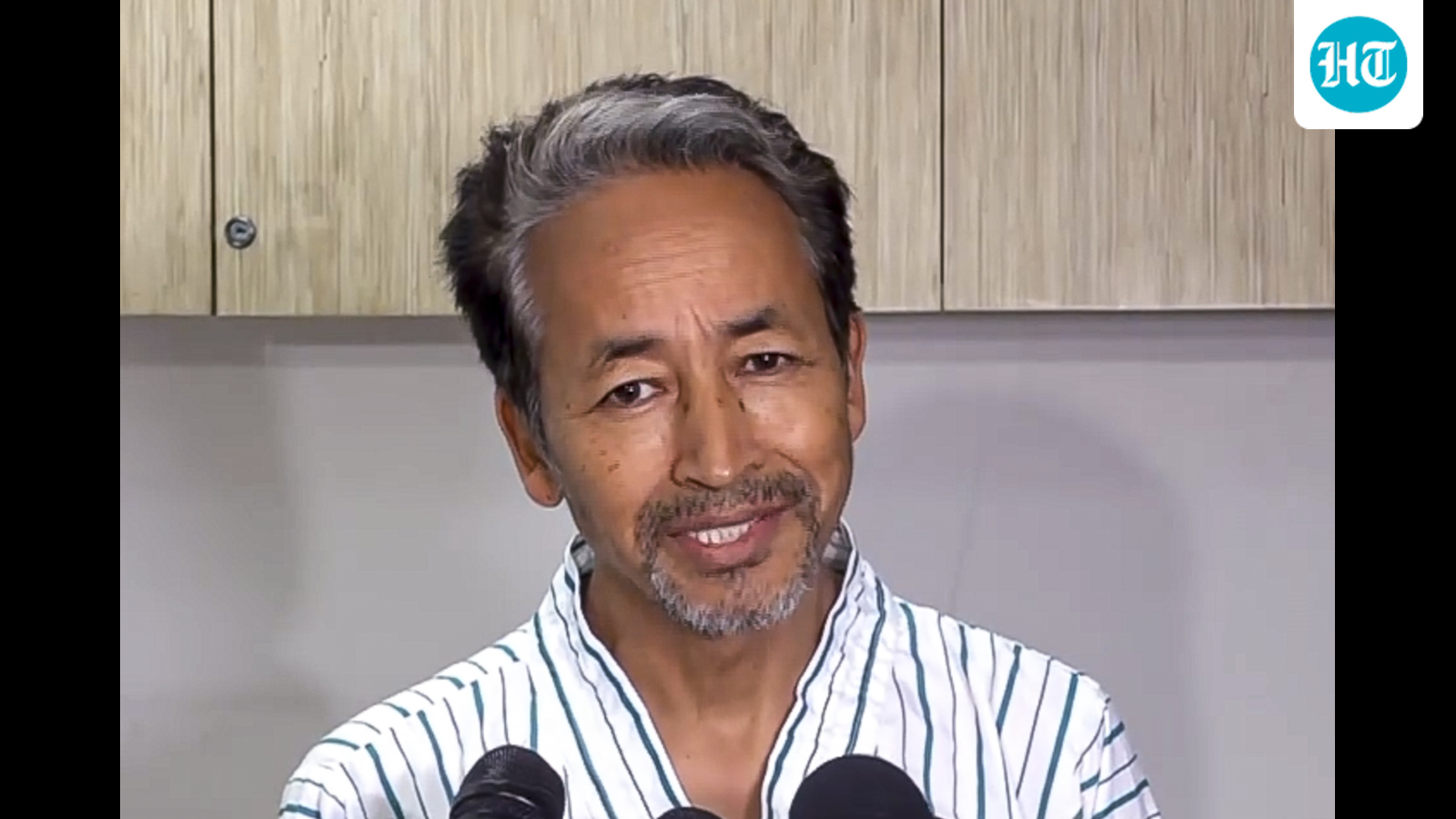
Ladakh authorities have placed activist Sonam Wangchuk under movement restrictions, sparking backlash from the Kargil Democratic Alliance. Meanwhile, the Centre has proposed high-powered committee talks following the upcoming hill council elections, amid ongoing regional protests for statehood.
Administrative Restrictions and Civil Liberties in Ladakh
The ongoing situation in Ladakh has reached a critical juncture, characterized by a complex interplay between administrative control and the persistent demands of civil society. The imposition of restrictions on climate activist Sonam Wangchuk under Section 163 of the Bharatiya Nagarik Suraksha Sanhita (BNSS), 2023, has drawn sharp criticism from the Kargil Democratic Alliance (KDA). By confining Mr. Wangchuk for a 60-day period, the administration has effectively limited his ability to engage with the public, a move that the KDA and other local observers view as an act of administrative high-handedness.
The Tension Between Security and Dialogue
The friction escalated on November 14, 2026, when a KDA delegation led by Sajjad Kargili was blocked by police from meeting Mr. Wangchuk at the Himalayan Institute of Alternatives, Ladakh (HIAL). The ambiguity surrounding his status—where police claim he is not formally arrested yet remains inaccessible to visitors—has created a climate of uncertainty. This restriction of movement, according to the KDA, undermines the constitutional freedoms guaranteed to the citizens of the Union Territory and complicates the already fragile relationship between the local population and the administration.
The Broader Context of Statehood and Protest
These events are deeply rooted in a long-standing agitation by the Leh Apex Body (LAB) and the KDA, who have been demanding statehood and constitutional protections for the region for several years. The current atmosphere of protest, highlighted by a 24-hour hunger strike involving numerous religious leaders, reflects the intensity of the struggle. The demonstrators are pressing for a formal dialogue process, expressing frustration that their collective voice is being sidelined by bureaucratic maneuvers.
Election Timing and Political Strategy
Adding another layer of complexity is the upcoming hill council election scheduled for December 4. The LAB leadership, including Chairman Chering Dorje Lakruk, has expressed significant apprehension regarding this timing. There is a prevailing suspicion among regional leaders that the government may be utilizing the election cycle to fracture the region’s collective leadership, thereby weakening their bargaining power ahead of the high-powered committee-level talks tentatively proposed for early December.
Future Outlook and Conclusion
The promise of talks between December 5 and 10 offers a potential pathway for de-escalation, provided that both the Centre and Ladakh’s representatives can find common ground. However, the current restrictions on activists and the ongoing sit-in protests indicate a deep-seated lack of trust. For the region to move toward stability, the administration must balance its security mandates with the democratic necessity of open dialogue. The coming weeks will be decisive in determining whether the government can address the core demands of the Ladakh populace or if the current administrative friction will lead to further alienation.
Multiple Citing Sources
Verification Required?