Democratic rights curtailed during Emergency, but it was done constitutionally: Sonia Gandhi
Source Entity
Latest News: Todays Latest News Headlines from India & World | Hindustan Times
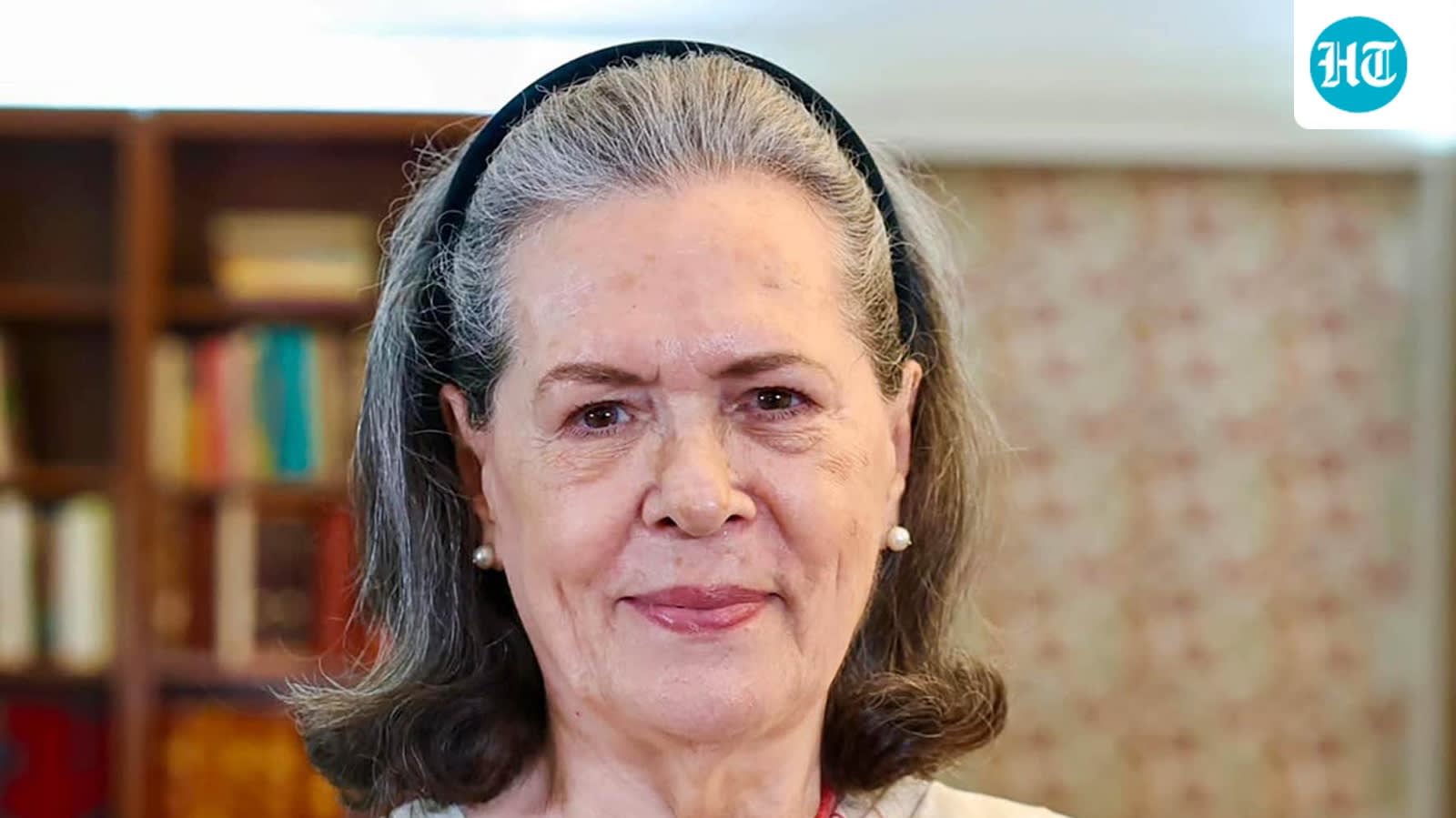
Sonia Gandhi reflects on the 1975 Emergency, acknowledging that while actions were taken constitutionally, they led to the curtailment of democratic rights. She notes that Indira Gandhi later expressed regret for the excesses committed during that period.
A Retrospective on the 1975 Emergency
Congress Parliamentary Party chairperson Sonia Gandhi has offered a nuanced reflection on the 1975 Emergency, a watershed moment in Indian political history. Speaking ahead of the release of her book, 'Belonging: A Journey of Love', Gandhi addressed the complexities surrounding the decision-making process of the then-prime minister, Indira Gandhi. Her commentary bridges the gap between legal adherence and the broader democratic impact of that era.
The Constitutional vs. Democratic Paradox
Sonia Gandhi emphasized that while democratic rights were significantly curtailed during the period of the Emergency, the mechanisms employed were technically executed through constitutional provisions. This distinction highlights the tension between the letter of the law and the spirit of democracy. By framing the actions as "constitutionally" enacted, she underscores the unique legal environment that allowed for such a suspension of civil liberties, a point that continues to be debated by constitutional experts and historians today.
Understanding the Context of 1975
In her analysis, Sonia Gandhi urged observers to consider the perspective of Indira Gandhi, who was grappling with a nation facing intense, organized unrest and rapidly deteriorating socio-political circumstances. By contextualizing the decision as a response to perceived instability, the narrative shifts toward understanding the pressures of governance during a time of national crisis. This perspective aims to provide a more comprehensive view of the leadership challenges faced by the late Prime Minister.
Admitting the Mistakes of the Past
Crucially, the analysis does not shy away from the negative legacy of the Emergency. Sonia Gandhi explicitly noted that Indira Gandhi herself eventually acknowledged the excesses that occurred during this time. This admission of regret and the subsequent apology from the former Prime Minister serve as a pivotal acknowledgement of the human cost and the overreach that defined the period, validating the public criticism that has persisted for decades.
Hindsight and Historical Perspective
Sonia Gandhi noted that the benefit of hindsight allows for a better perspective on such turbulent events. By discussing this in the context of her book, she suggests that historical events should be viewed with an understanding of both the constraints of the moment and the moral weight of their consequences. This balanced approach to history encourages a more mature discourse on how the Indian state navigates crises while maintaining its commitment to democratic values.
Conclusion: The Legacy of the Emergency
Ultimately, the remarks serve as a bridge between the historical grievances associated with the Emergency and a modern reflection on democratic resilience. By addressing both the procedural legality and the moral failings of the era, Sonia Gandhi contributes to the ongoing national conversation about the sanctity of rights and the responsibilities of power. The legacy of 1975 remains a cautionary tale that continues to shape the political consciousness of India today.
Multiple Citing Sources
Verification Required?