'Keeping Sanjay in check could have prevented damage': Sonia Gandhi on Emergency
Source Entity
KANCHAN YADAV
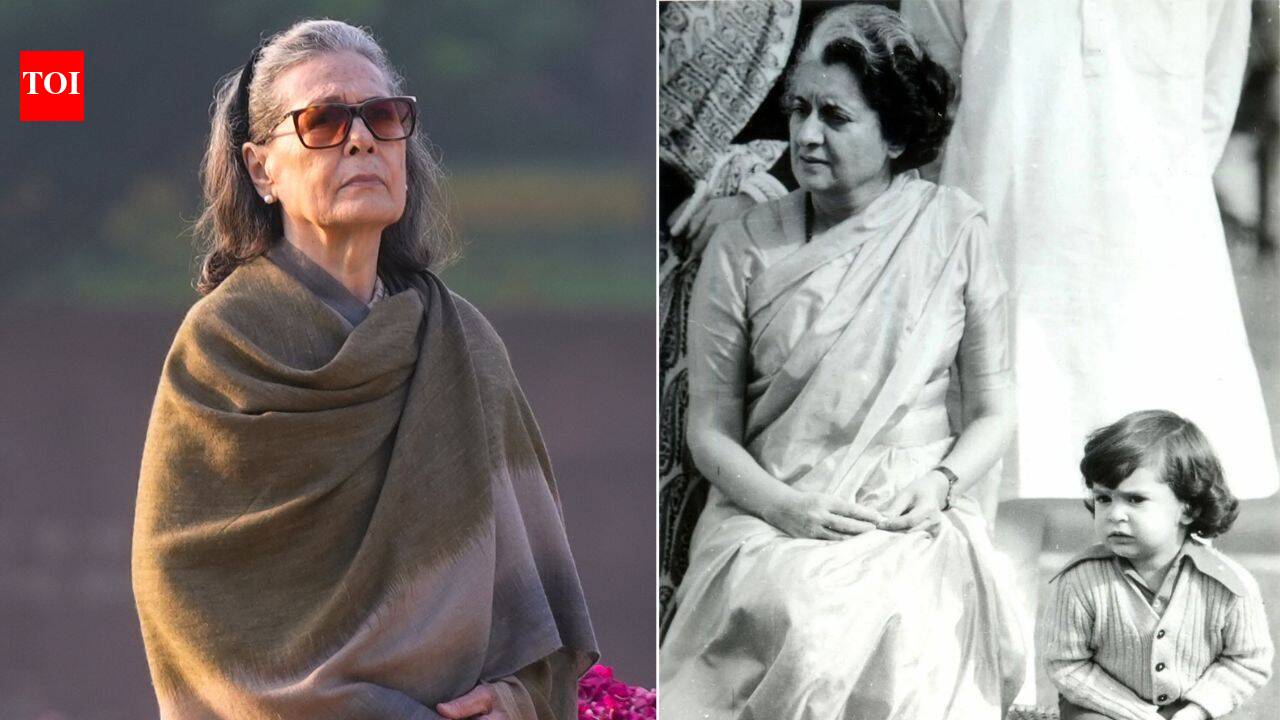
Sonia Gandhi reflects on the Emergency, acknowledging it as a mistake while noting it was executed under constitutional provisions. She highlights that Indira Gandhi later expressed regret for the excesses committed during that period.
Reflecting on a Watershed Moment in Indian Democracy
Sonia Gandhi’s recent reflections on the Emergency, shared ahead of the release of her book 'Belonging: A Journey of Love', offer a nuanced perspective on one of the most contentious periods in Indian political history. By addressing the suspension of democratic rights between 1975 and 1977, Gandhi attempts to reconcile the constitutional framework under which the Emergency was declared with the subsequent admission that the move was a fundamental error in judgment.
The Constitutional Paradox
Central to Gandhi’s analysis is the assertion that while democratic rights were severely curtailed, the action itself was performed within the bounds of the Constitution. This highlights the inherent tensions within India's legal framework, where emergency provisions allow for the temporary suspension of civil liberties. Gandhi’s perspective acknowledges this technical adherence to law while implicitly critiquing the moral and political fallout that followed the implementation of these extraordinary powers.
Contextualizing Indira Gandhi’s Struggles
Sonia Gandhi situates the decision within the framework of the pressures faced by the then-prime minister, Indira Gandhi. According to the Congress Parliamentary Party chairperson, the administration was grappling with rapidly deteriorating circumstances and widespread organized unrest. This lens suggests that the Emergency was, in the view of its architect, a reactive measure to perceived existential threats to the state’s stability at the time, rather than a calculated attempt to permanently dismantle democratic structures.
The Evolution of Regret
Crucially, the narrative emphasizes that Indira Gandhi herself eventually recognized the gravity of the situation. Sonia Gandhi notes that the former prime minister publicly expressed regret and apologized for the excesses committed during the period. This admission serves as a pivotal acknowledgment of the human rights concerns and administrative overreach that defined the era, signaling a retrospective shift in how the Congress leadership views this chapter of their history.
Hindsight and Historical Perspective
Gandhi’s reflections underscore the role of hindsight in political discourse. By stating that hindsight allows for a better perspective, she suggests that the passage of time is necessary to evaluate the long-term impact of governance decisions. This approach moves beyond simple condemnation or defense, instead framing the Emergency as a complex historical event that necessitated personal reflection and public accountability from those who led it.
Conclusion: Assessing the Legacy
Ultimately, Sonia Gandhi’s remarks provide a bridge between the historical actions of the past and contemporary political discourse. By acknowledging the constitutional legality alongside the moral failure of the excesses, she contributes to a more comprehensive understanding of the Emergency. This balanced view serves as a reminder of the fragility of democratic institutions and the importance of accountability in governance, ensuring that the lessons of the 1970s remain relevant for India’s ongoing democratic journey.
Multiple Citing Sources