The Sonos Ace Ultra are the headphones Sonos should have made the first time
Source Entity
John Higgins
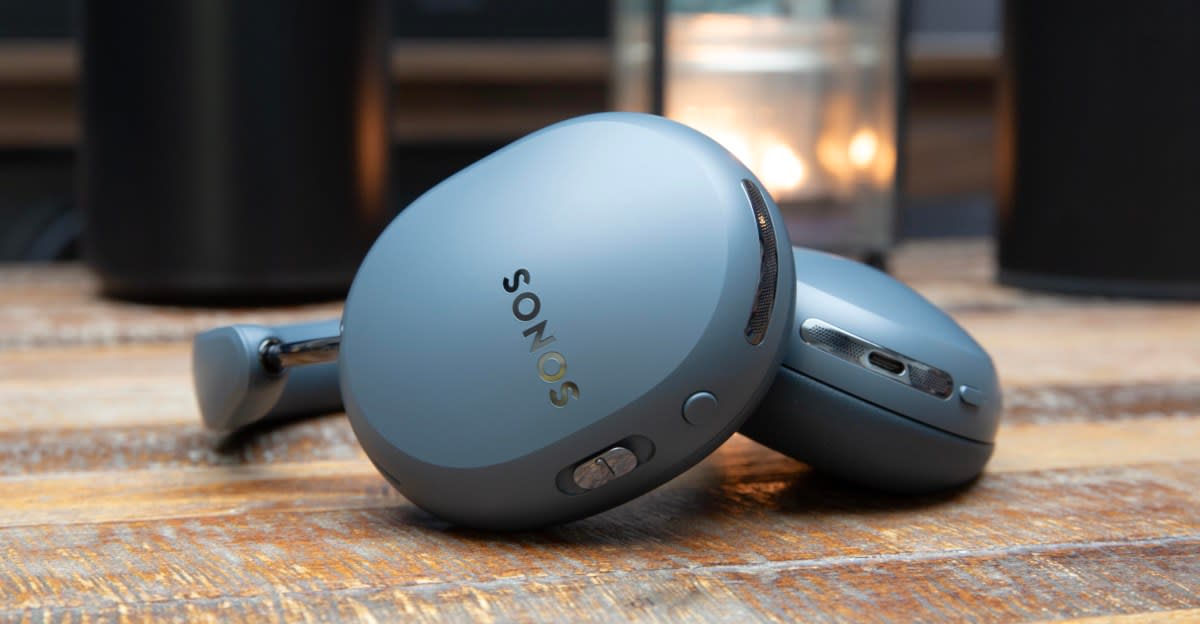
Sonos's entry into the headphone market was hampered by a flawed app redesign and limited initial functionality. While the hardware remains impressive, the company must overcome these early software hurdles to realize the full potential of its ecosystem.
The Sonos Ace: A Tale of Hardware Potential and Software Missteps
The entry of Sonos into the personal audio market with the Ace headphones was intended to be a watershed moment for the brand. Known primarily for its sophisticated multi-room speaker systems, Sonos attempted to extend its ecosystem beyond the home with a product that promised seamless integration. However, the launch was marred by a significant external factor: the company's disastrous redesign of its primary control application, which distracted from the hardware's actual merits.
Hardware Excellence Overshadowed
From a purely physical standpoint, the original Sonos Ace headphones succeed in key areas. They are noted for high-quality build materials, impressive sound fidelity, and an ergonomic design that prioritizes long-term comfort. In a competitive market saturated with premium noise-canceling headphones, these traits are essential for entry. Yet, the product's value proposition was weakened because it failed to deliver on the promise of being a 'true' Sonos product at launch.
The Ecosystem Gap
Central to the Sonos identity is the 'TV Audio Swap' feature, which allows users to reroute soundbar audio directly to their headphones. At launch, this flagship feature was plagued by technical instability and extreme limitations, such as compatibility restricted solely to the $1,000 Arc soundbar. Furthermore, the inability to connect multiple pairs of headphones or integrate with the broader Sonos multi-room network left early adopters feeling that the product was incomplete.
Software as the New Hardware
This situation underscores a growing trend in consumer electronics where the success of hardware is inextricably linked to software reliability. Sonos, which built its reputation on a stable and intuitive app experience, found that a buggy interface can actively degrade the perception of high-end hardware. The frustration stemmed from the fact that while the headphones functioned well as standalone Bluetooth devices, they failed to provide the 'ecosystem' experience that customers paid a premium for.
Path to Redemption
While Sonos has begun to address these issues—expanding compatibility and fixing the glitchy rerouting functionality—the damage to the initial launch narrative is palpable. Future iterations, or "Ultra" variations as suggested by critical reception, will need to prioritize software stability as much as physical hardware improvements. For Sonos, the path forward requires proving that the Ace can perform as a cohesive part of a smart home, rather than just another high-end headphone.
Future Implications
Moving forward, the lesson for Sonos and similar audio companies is clear: ecosystem-dependent features cannot be treated as secondary additions. As consumers demand more interoperability between their devices, the software layer must be as polished as the acoustic engineering. If Sonos can refine the Ace experience, it may still secure its place in the market, but it must first regain the trust lost during the initial, turbulent rollout.