Sony’s 'ironic' PlayStation disc decision upends gamer conventions and threatens a $7 billion resale market
Source Entity
US Top News and Analysis
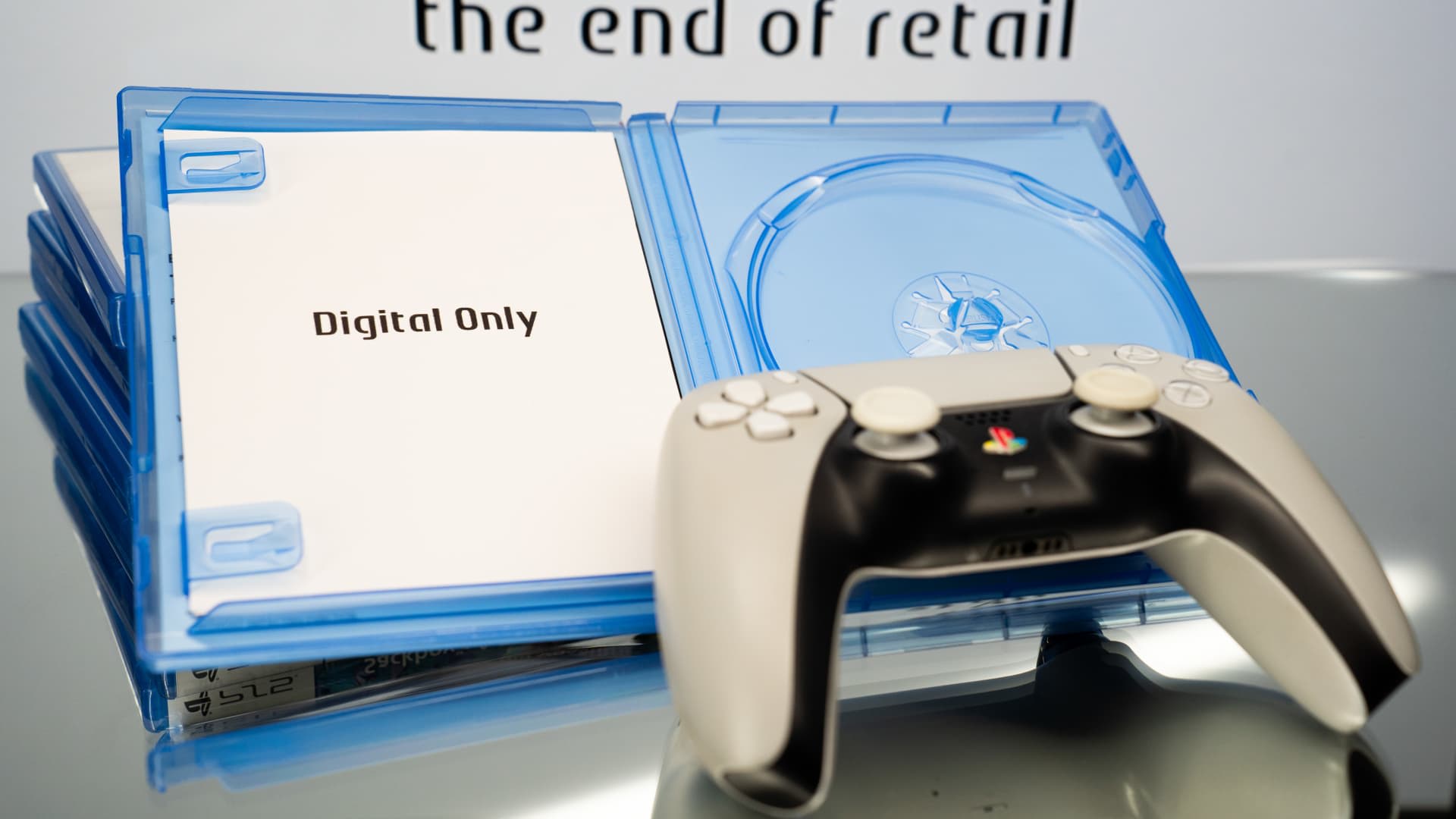
Sony has announced it will stop producing physical discs for new PlayStation games by the end of 2027. This move, which marks a reversal of the company's 2013 consumer-friendly stance, signals a major shift toward a fully digital gaming ecosystem.
The End of an Era: Sony’s Pivot to All-Digital Gaming
In a move that marks a definitive turning point for the gaming industry, Sony Interactive Entertainment has announced that it will cease the production of physical game discs for all new PlayStation titles by the end of 2027. Starting in January 2028, the PlayStation ecosystem will transition to a strictly digital-only distribution model, with all new releases available exclusively through the PlayStation Store. This decision effectively ends decades of tradition where players could purchase, trade, and collect physical media.
A Dramatic Reversal of Corporate Philosophy
This announcement is particularly striking when contrasted with Sony’s historical positioning. In June 2013, the company famously leveraged the physical format to gain a competitive advantage over its rivals. A viral video featuring then-Sony executives Shuhei Yoshida and Adam Boyes demonstrated the simplicity of sharing a physical game disc, a gesture that served as a pointed critique of emerging digital-only trends at the time. By pivoting away from this strategy, Sony has effectively become the very entity it once mocked, signaling that the economic pressures of modern digital storefronts have superseded the consumer-friendly legacy of disc-based ownership.
The Economic Impact on the Resale Market
The transition to a digital-only model threatens a massive $7 billion resale market. For years, the secondary market for physical media has allowed gamers to trade, sell, and purchase used titles at lower price points. By eliminating the physical medium, Sony effectively centralizes control over game pricing and distribution. This move prevents the circulation of used copies, forcing consumers to pay full retail prices on the PlayStation Store and removing the ability for gamers to recoup costs through trade-ins, which has long been a pillar of the console gaming economy.
Broader Industry Implications
Sony’s decision reflects a broader, industry-wide trend toward digital service models. By shifting to an all-digital platform, Sony gains total oversight of its software ecosystem, enabling tighter control over licensing, updates, and ecosystem lock-in. While this streamlines the supply chain and eliminates the costs associated with manufacturing and distribution of physical goods, it raises significant concerns regarding digital preservation and the long-term accessibility of games once storefronts inevitably close or servers are decommissioned.
Consumer Behavior and Future Trends
As we approach 2028, the gaming community must grapple with the reality of 'digital-only' ownership, where players are essentially purchasing revocable licenses rather than permanent property. This shift will likely accelerate the adoption of subscription-based services, as the barrier to entry for digital-only storefronts becomes the standard. While this transition offers convenience and immediate access for the modern gamer, it simultaneously erodes the traditional concept of game ownership, leaving the future of digital legacy and the secondary market in a state of permanent uncertainty.