The Sony Xperia 10 VI won’t be getting a promised update to Android 17
Source Entity
Andrew Liszewski
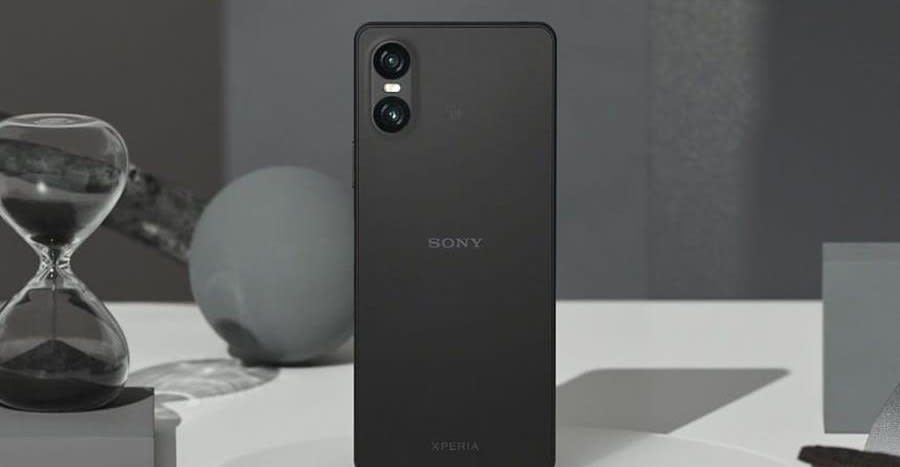
Sony has officially retracted its promise of an Android 17 update for the Xperia 10 VI smartphone. The company cites technical hardware limitations regarding storage configuration as the primary reason for this decision.
Sony Reverses OS Update Commitment for Xperia 10 VI
The Broken Promise
When Sony first unveiled the midrange Xperia 10 VI over two years ago, it was marketed with the promise of three major Android OS updates. Given that the device launched with Android 14, this commitment naturally led consumers to anticipate support through the upcoming Android 17 release. However, a recent update on Sony’s UK support portal has confirmed that the device will not receive this promised upgrade, marking a significant departure from the manufacturer's original software roadmap.
Technical Justification and Hardware Constraints
According to the official notice released by Sony, the decision to halt updates stems from a "detailed technical assessment." The manufacturer explicitly cites "limitations related to the device’s storage configuration" as the primary barrier preventing the successful implementation of Android 17. While the device utilizes the capable Qualcomm Snapdragon 6 Gen 1 chipset, it appears that the internal storage architecture is insufficient to handle the overhead or specific requirements of the latest Android iteration, highlighting a growing trend where hardware longevity is dictated as much by storage overhead as it is by processing power.
Broader Implications for Midrange Devices
This development raises critical questions regarding the standard of software support for midrange smartphones. As Android versions become increasingly complex and storage-intensive, manufacturers are finding it difficult to maintain long-term support cycles for devices that were not built with significant "overhead" in mind. For consumers, this event serves as a cautionary tale about the reliance on multi-year software promises that are subject to "technical limitations" clauses buried in support documentation.
Historical Context and Consumer Trust
Historically, Sony has maintained a niche but loyal following in the mobile market, often prioritizing hardware design and specific features over the aggressive update cycles seen from competitors like Google or Samsung. By failing to meet the three-update threshold for the Xperia 10 VI, Sony risks eroding consumer trust. When manufacturers provide a roadmap for updates, it is often a deciding factor for buyers; retroactively pulling that support can damage brand perception and influence future purchasing behavior.
Future Trends in Device Longevity
Looking ahead, this situation underscores the importance of hardware-software synergy. As we move toward an era where AI-integrated operating systems require more robust local storage and RAM, the "midrange" classification may become increasingly difficult to support over long periods. Future trends suggest that if manufacturers want to keep their update promises, they must over-provision hardware specs at launch. Otherwise, we will likely see more instances of "technical assessments" being used to justify the discontinuation of support for perfectly functional, yet software-limited, hardware.