The first vibe-coded gun is here
Source Entity
Mack DeGeurin
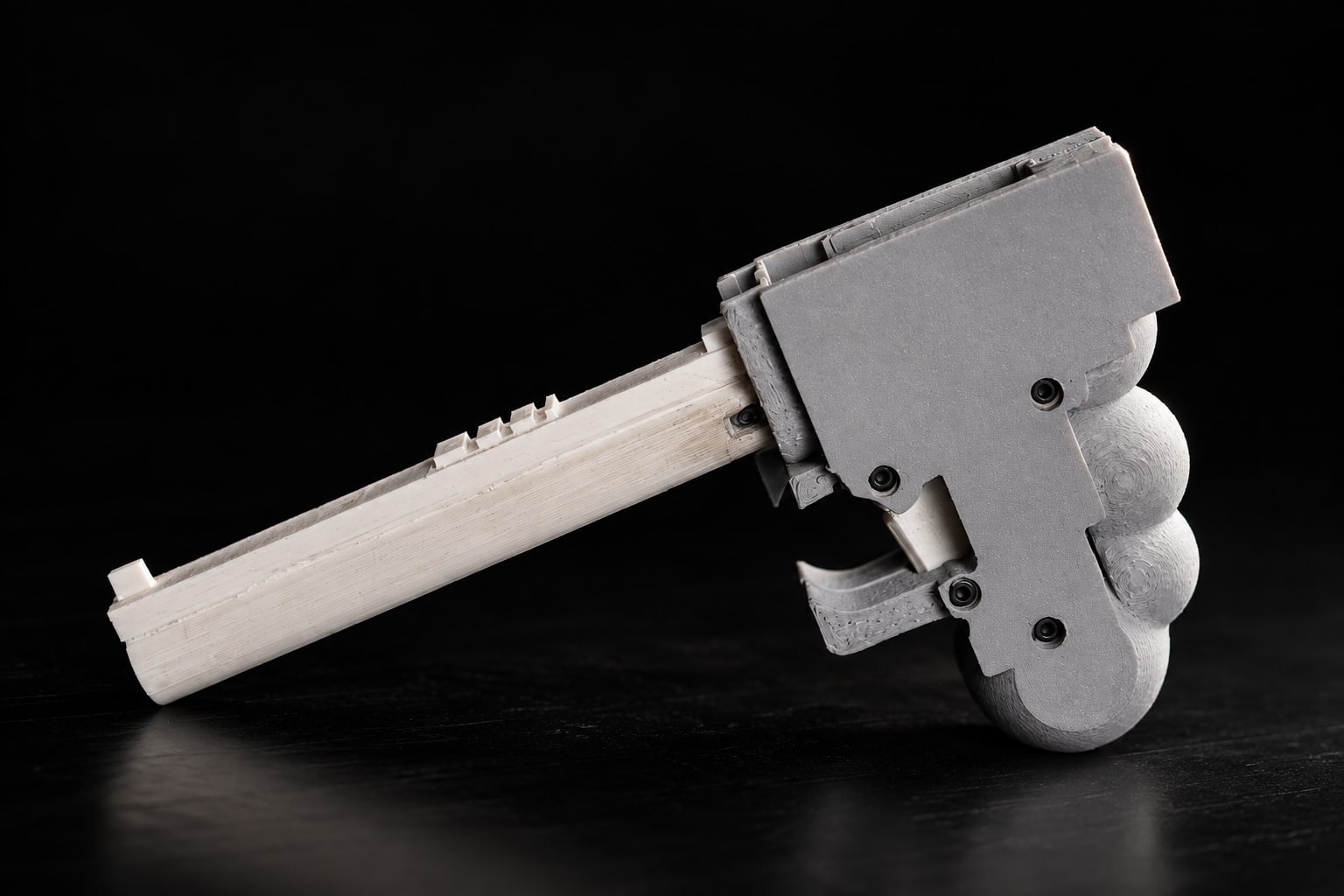
Cody Wilson has introduced the 'WASP,' a .22 caliber handgun he claims is the first AI-designed 3D-printed firearm. The weapon features unconventional design elements and follows a long-standing history of controversial 3D-printed gun initiatives.
The Evolution of the Ghost Gun: From Liberator to WASP
Thirteen years after Cody Wilson ignited a global firestorm by introducing the first 3D-printed firearm, the landscape of untraceable weaponry has entered a new, experimental phase. Wilson, a prominent figure in the gun-rights movement, has now unveiled the 'WASP,' a device he describes as the first 'AI-made gun.' This development marks a significant shift in the methodology of firearm manufacturing, moving from human-engineered CAD designs to the implementation of generative AI in the creation of lethal hardware.
Analyzing the Design and Functionality
Despite the sophisticated branding of an 'AI-made' weapon, the WASP is, in practical terms, a rudimentary .22 caliber handgun. Witnesses describe the device as a pistol barrel affixed to a spring-loaded plastic box, reminiscent of Wilson’s original 'Liberator' pistol. However, the influence of artificial intelligence is evident in its aesthetic and structural 'oddities.' The grip is notably bubbly and irregular, appearing to favor algorithmic output over the ergonomic requirements of a human hand, highlighting the current limitations of AI-driven mechanical design.
The Intersection of AI and DIY Manufacturing
The emergence of the WASP underscores a broader, concerning trend in the democratization of weapon manufacturing. By leveraging AI, individuals can theoretically bypass traditional engineering expertise, allowing for the rapid iteration of firearm components. This intersection of machine learning and additive manufacturing creates a new frontier for 'ghost guns'—firearms that lack serial numbers and are manufactured by individuals rather than commercial entities. The WASP serves as a proof-of-concept for how AI might eventually optimize firearm designs for durability or concealment in ways that were previously labor-intensive.
Regulatory and Safety Implications
The introduction of the WASP raises critical questions regarding the regulation of generative AI in the context of public safety. While the design itself appears experimental and potentially inefficient, the trajectory suggests a future where AI-assisted designs could become increasingly refined and accessible. The history of Defense Distributed—the organization behind the Liberator—demonstrates that once a digital blueprint is released, it is nearly impossible to contain. The WASP represents a potential evolution in this digital proliferation, where the barrier to entry for creating custom, untraceable weaponry is lowered further by automated design tools.
Future Trends in Algorithmic Weaponry
Looking forward, the WASP is likely just the beginning of a series of AI-generated hardware experiments. As generative models become more proficient at optimizing for physical properties like stress distribution and heat resistance, future iterations of 3D-printed guns may move beyond the rudimentary designs seen today. This shift presents a persistent challenge for policymakers and law enforcement agencies tasked with regulating the intersection of emerging technology and firearm control, as the ease of production continues to outpace legislative frameworks.