Bad week for ‘the ants’ as ripple effects of Korean crash spread out across Asia
Source Entity
Jules Rimmer
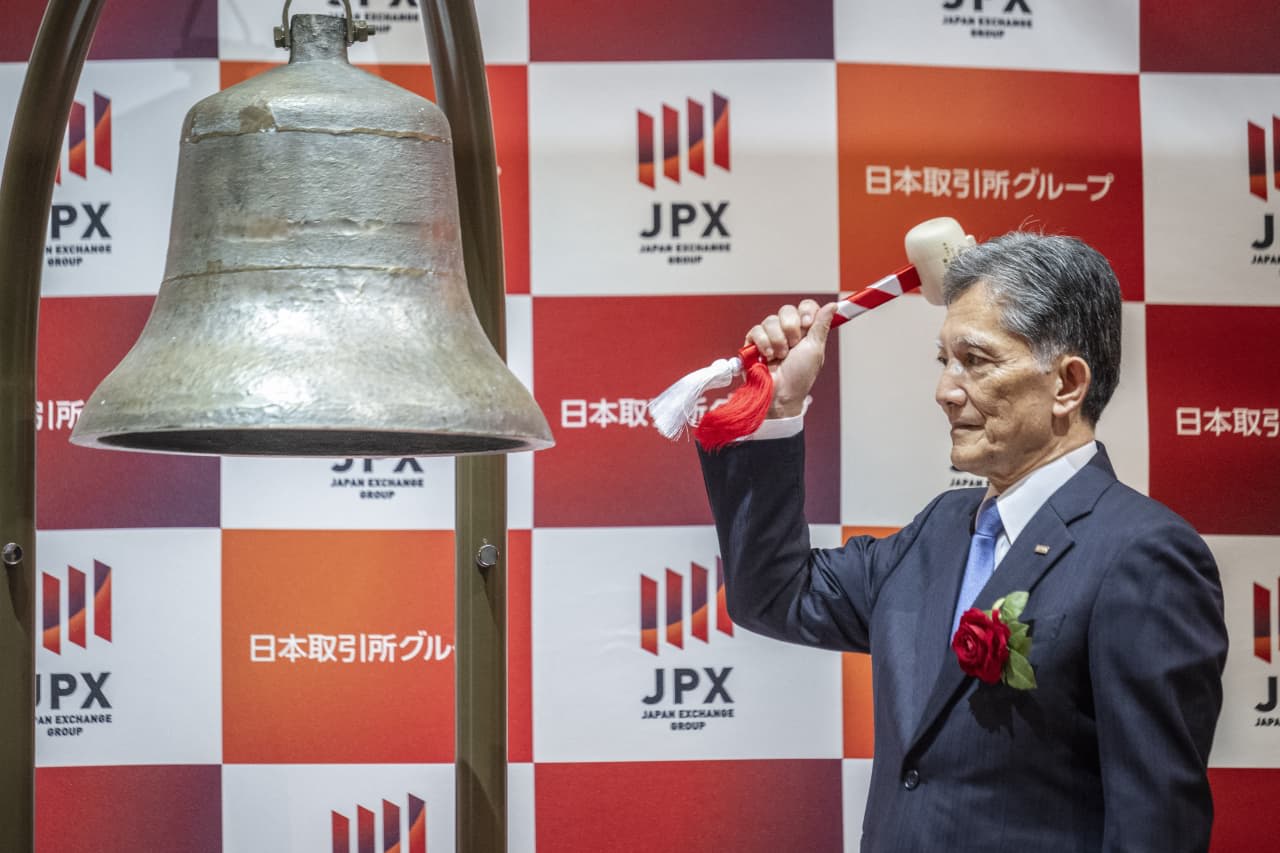
South Korea's retail traders, known as 'ants,' faced severe financial distress this week as 1.2 million investors received margin calls. This event highlights the systemic risks posed by high-leverage speculation in the Korean stock market.
The 'Ants' Under Pressure: A Crisis of Leverage in South Korea
This week, the South Korean financial landscape witnessed a significant tremor as the country’s retail investor base—affectionately and colloquially referred to as "the ants"—faced a brutal market correction. Approximately 1.2 million retail traders were hit with margin calls, a staggering figure that underscores the fragility of a market heavily reliant on individual participation and borrowed capital. When these retail investors are forced to liquidate positions to meet these obligations, the resulting downward pressure can trigger a cascade of selling that destabilizes the broader index.
The Anatomy of a Margin Call
The sheer scale of this event, affecting more than 3% of South Korea’s total adult population, serves as a stark case study in the dangers of excessive leverage. Margin trading allows investors to amplify their buying power, yet it creates a binary outcome: when markets rise, gains are magnified, but when volatility strikes, the requirement to deposit additional collateral becomes an insurmountable hurdle for many. For these 1.2 million individuals, the current market downturn transformed speculative bets into immediate, tangible financial liability.
Speculation and Market Fever
South Korea has long been characterized by a uniquely high level of retail market engagement. This "feverish extent" of speculation is often driven by a combination of low interest rates, limited alternative investment vehicles, and a cultural propensity for high-risk trading. However, this week’s events demonstrate that such high participation rates come with a systemic price. When a significant portion of the adult population is simultaneously over-leveraged, the market loses the stabilizing influence of long-term institutional holding, becoming instead a volatile environment prone to panic-selling.
Broader Economic Implications
The ripple effects of this crash are not confined to individual brokerage accounts; they threaten to dampen consumer sentiment and restrict liquidity across the Asian markets. As these retail traders liquidate their assets to cover their debts, the resulting volatility can spook institutional investors, leading to a broader retreat from the region. The interconnected nature of modern Asian equity markets means that a localized crash in Seoul can rapidly disseminate, affecting regional indices and investor confidence globally.
Future Trends and Regulatory Outlook
Looking ahead, this event will likely serve as a catalyst for renewed regulatory scrutiny in South Korea. Authorities may feel compelled to tighten margin requirements or impose stricter limits on retail access to high-risk financial instruments to prevent a recurrence of such widespread financial distress. While these measures may be necessary to protect the "ants" from themselves, they also risk cooling the market enthusiasm that has historically fueled South Korean economic growth. Ultimately, the challenge for policymakers will be to balance retail empowerment with the implementation of safety nets that prevent systemic exposure to individual speculative failures.
Verification Required?