Sovereign wealth funds' China and Hong Kong investments surge 190% after a bruising slump
Source Entity
US Top News and Analysis
Sovereign wealth funds have increased their investments in China and Hong Kong by 190% in 2026, reaching $14.2 billion. Middle Eastern investors are driving this recovery, signaling a shift in sentiment after a sharp decline in 2025.
The Rebound of Capital Flows: Analyzing the Surge in Chinese Investment
A Dramatic Shift in Financial Sentiment
In a significant pivot for global markets, sovereign wealth funds have dramatically reversed their stance on Chinese and Hong Kong assets. According to data from Global SWF, these institutional giants have poured $14.2 billion into the region within the first nine months of 2026. This represents a staggering 190% increase compared to the entirety of 2025, marking a definitive end to a period of deep caution and capital flight.
Contextualizing the 2025 Slump
To understand the magnitude of this recovery, one must look at the preceding year. In 2025, investment levels plummeted by 54% compared to the previous year. This 'bruising slump' was primarily driven by a confluence of rising geopolitical tensions and widespread anxiety regarding China’s long-term economic outlook. During this period, global investors prioritized risk mitigation, leading to a temporary decoupling of portfolios from mainland assets.
The Role of Middle Eastern Capital
A critical driver of this renewed interest is the active participation of Middle Eastern sovereign wealth funds. These entities, often flush with capital from energy exports and mandated by national visions to diversify their portfolios, are increasingly looking toward East Asia for growth opportunities. By leading the charge back into China and Hong Kong, these funds are signaling a recalibration of geopolitical risk, suggesting that the long-term potential of the Chinese market outweighs the short-term volatility that characterized 2025.
Geopolitical and Economic Implications
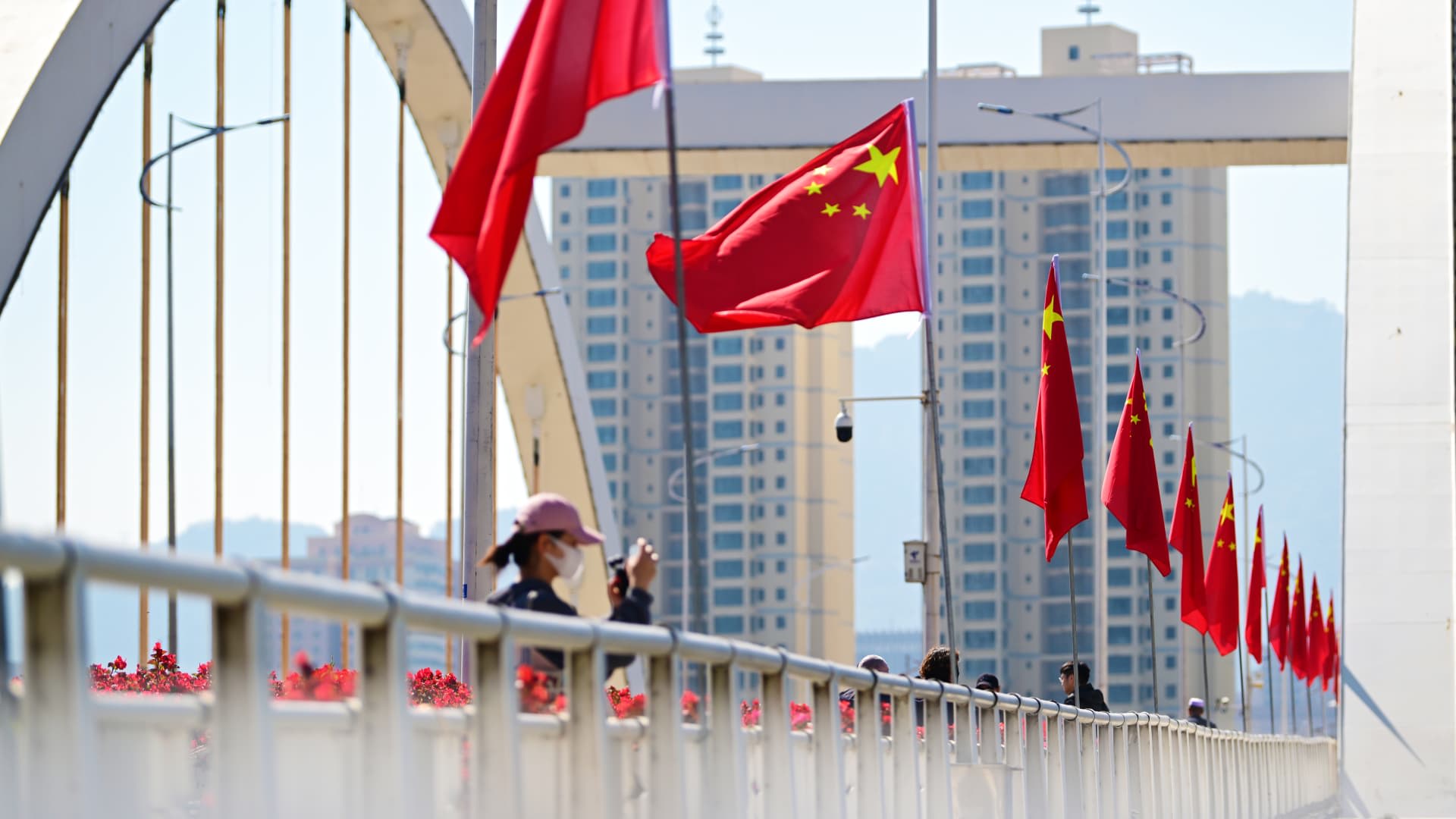
The surge in investment, evidenced by the festive atmosphere in cities like Lanzhou, reflects a broader stabilization trend. As China works to bolster its domestic economy, the return of foreign sovereign capital serves as a vital vote of confidence. This influx of liquidity is essential for stabilizing market valuations and providing the necessary capital for infrastructure and technology sectors, which are central to China's current economic development goals.
Future Trends and Market Outlook
Looking ahead, this trend suggests that sovereign wealth funds are moving away from the 'wait-and-see' approach that dominated the previous year. As these major institutional players re-enter the market, they are likely to focus on strategic assets that align with both their own diversification mandates and China's industrial policies. If the current trajectory continues, it could set a new floor for foreign direct investment in the region, effectively insulating the market from the extreme oscillations witnessed in the recent past.
Conclusion
The 190% surge in investment represents more than just a statistical recovery; it signifies a structural shift in how global sovereign capital perceives risk in the Chinese market. With Middle Eastern investors acting as the primary catalyst, the influx of $14.2 billion underscores a strategic commitment to the region, potentially ushering in a new, more stable era of cross-border financial collaboration.