U.P. Assembly polls: Congress’ Imran Masood slams SP over seat-sharing, says ‘we aren’t begging’
Source Entity
India Latest News: Top National Headlines Today & Breaking News | The Hindu
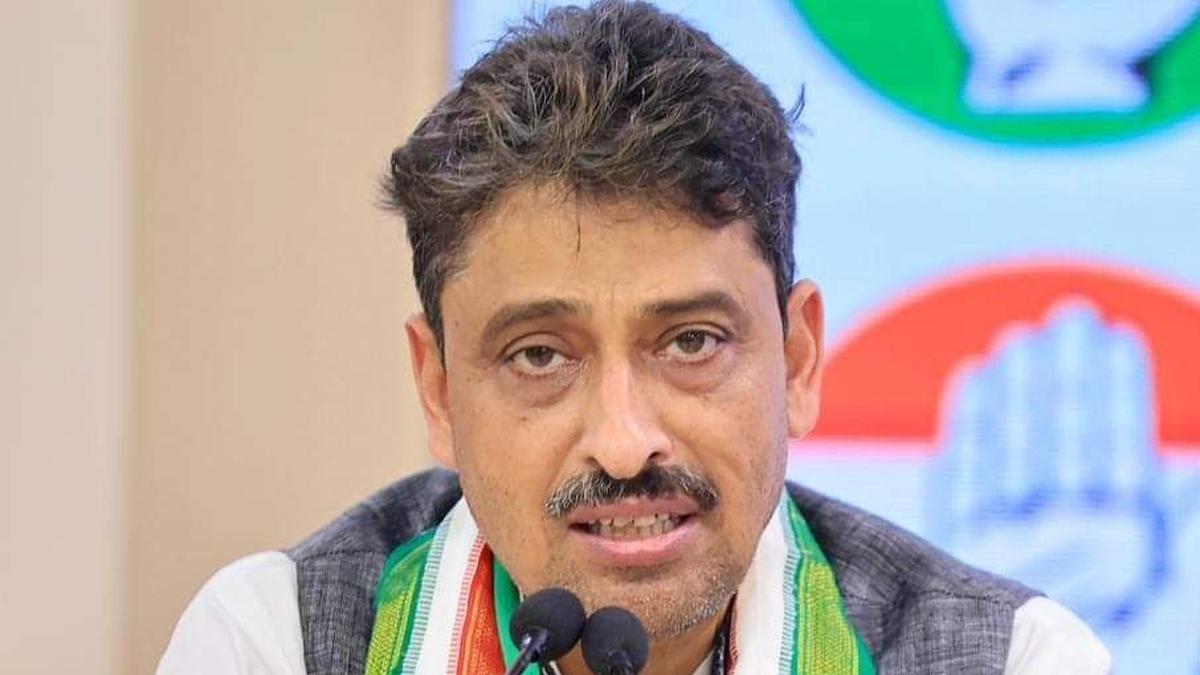
The Samajwadi Party and Congress are engaged in intense negotiations regarding seat-sharing for the 2027 Uttar Pradesh assembly elections. While the SP initially proposed 26 seats, Congress has pushed for a significantly higher allocation, leading to ongoing deliberations over all 403 constituencies.
The Tug-of-War for Uttar Pradesh: SP-Congress Seat Negotiations
As the political landscape in Uttar Pradesh gears up for the 2027 assembly elections, the Samajwadi Party (SP) and the Congress have entered a critical phase of alliance-building. Recent marathon discussions in New Delhi underscore the complexity of balancing coalition interests, as both parties attempt to navigate the delicate task of seat-sharing across all 403 constituencies.
The Disparity in Expectations
The negotiation process hit an early hurdle regarding the scale of the alliance. The Samajwadi Party, asserting its position as the primary opposition force in the state, initially proposed an allocation of 26 "winnable" seats for the Congress. This offer was swiftly rejected by the Congress, which had initially sought a much larger footprint. The subsequent revision of the Congress demand—shifting from an initial 181 to a range of 100–120 seats—highlights a strategic attempt to find a middle ground while maintaining political relevance in a key state.
Strategic Imperatives and 'Winnability'
At the heart of these discussions is the concept of "winnability." Both parties are under pressure to ensure that any electoral pact does not dilute their respective vote banks. By holding seat-by-seat discussions, the leadership of both parties is attempting to move beyond abstract numbers and address the granular reality of candidate strength in specific districts. This detailed approach is designed to mitigate internal friction and ensure that the alliance remains competitive against the incumbent administration.
The Path to Consensus
Despite the friction caused by the initial rejection of the SP’s 26-seat offer, there remains a palpable sense of optimism among leadership circles. The fact that marathon meetings are being held signifies a commitment to the alliance, suggesting that both parties recognize the necessity of a united front to challenge the current political hegemony in Uttar Pradesh. The expectation that a final deal will be reached in the coming meetings indicates that both sides are prioritizing long-term electoral synergy over short-term bargaining posturing.
Broader Political Implications
The outcome of these negotiations will likely serve as a bellwether for the strength of opposition unity in North India. A successful resolution would not only consolidate the anti-incumbency vote but also provide a template for future coalition dynamics in subsequent regional elections. Conversely, a failure to reach an agreement could lead to a fragmented opposition, potentially altering the projected trajectory of the 2027 polls.
Concluding Outlook
As the parleys continue, the focus remains on mutual accommodation. While the gap between the SP’s initial offer and the Congress’s revised demand remains significant, the shift toward a seat-by-seat evaluation suggests a pragmatic turn in the negotiations. The upcoming rounds of talks will be decisive in determining whether this alliance matures into a robust electoral machine or remains a theoretical exercise in coalition management.
Multiple Citing Sources
Verification Required?