Keralam escalates ethanol war with Centre, asks for pure petrol samples
Source Entity
Shaju Philip
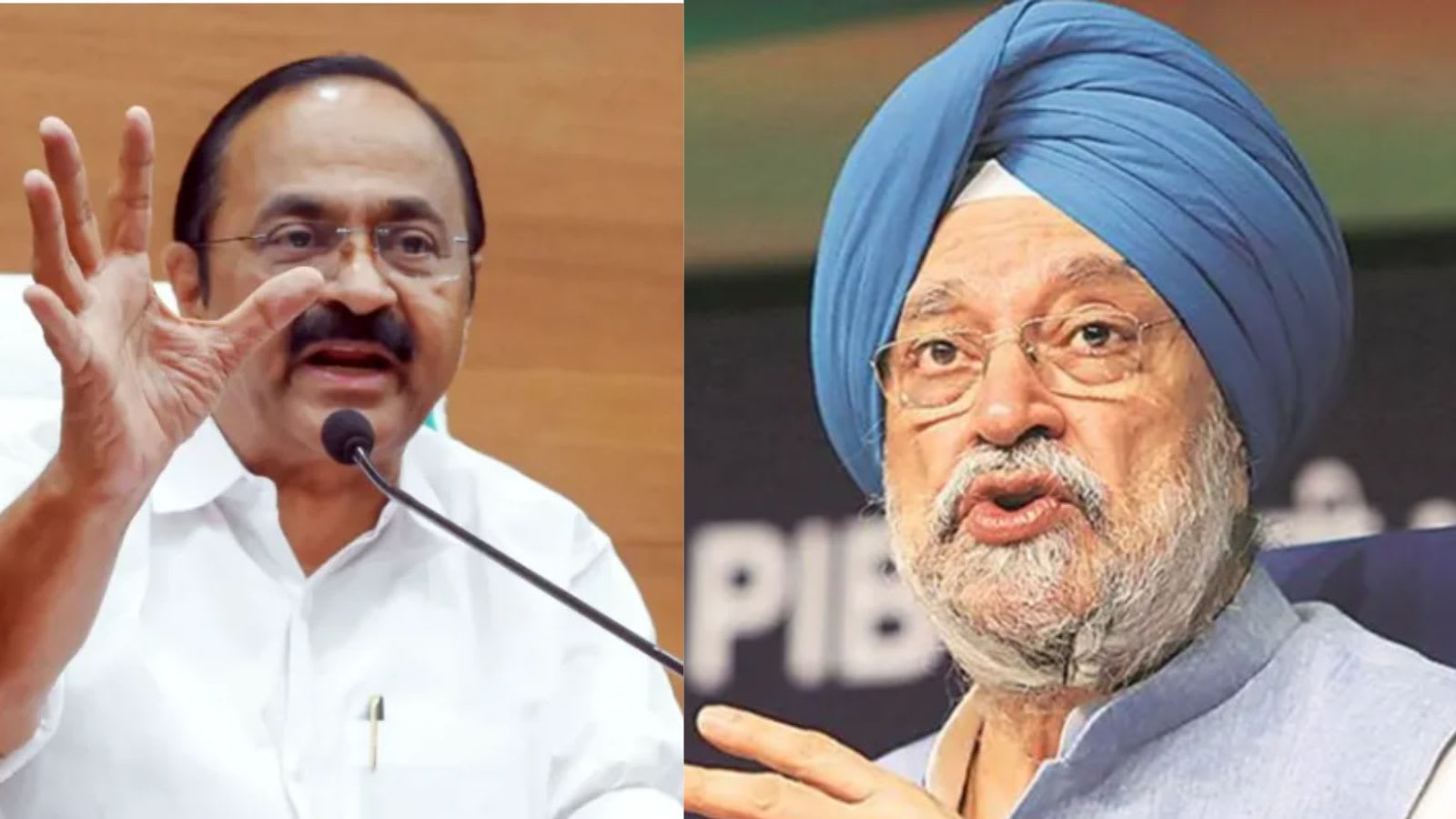
The Kerala government is challenging the central administration over ethanol blending in fuel, demanding pure petrol samples for testing. The state suspects that oil marketing companies may be exceeding mandated ethanol levels in fuel distribution.
The Ethanol Conflict: Kerala Challenges Central Fuel Standards
The ongoing political tension between the Congress-led government in Kerala and the NDA administration at the Centre has reached a new front: the quality and composition of automotive fuel. Kerala’s Minister for Food, Civil Supplies and Consumer Affairs, Anoop Jacob, has initiated a formal confrontation by demanding that Union Minister for Petroleum Hardeep Singh Puri mandate oil marketing companies to provide 100 percent pure petrol samples to state authorities.
Investigating Fuel Integrity
This escalation follows proactive measures taken by the Kerala civil supplies department earlier this month. Concerned over potential deviations from regulatory standards, the department collected various samples from public sector oil outlets. These samples have since been dispatched to regional chemical laboratories for rigorous testing to determine if the ethanol blending concentrations exceed the government-prescribed limits.
The Technical Context of Ethanol Blending
Ethanol blending is a cornerstone of the national energy policy aimed at reducing dependence on crude oil imports and lowering carbon emissions. However, the blending process requires precise calibration to ensure that the chemical composition remains within the safety parameters for various engine types. Kerala's intervention suggests a growing suspicion that these technical thresholds might be compromised during the distribution process, potentially impacting consumer vehicles and local fuel quality standards.
Federalism and Regulatory Oversight
This conflict highlights the complexities of India’s federal structure, where state governments act as consumer watchdogs while the Centre maintains oversight of national energy infrastructure. By seeking direct intervention from the Union Petroleum Ministry, Kerala is effectively signaling that it will not accept potential irregularities in fuel quality, regardless of the overarching national policy goals regarding ethanol adoption.
Broader Economic and Environmental Implications
Beyond the political posturing, the outcome of these laboratory tests carries significant weight for the national green energy roadmap. If the tests reveal that oil companies are indeed over-blending, it could necessitate a massive overhaul of the monitoring mechanisms currently employed by oil marketing firms. Conversely, if the samples meet the mandated standards, the results could serve to quell public apprehension regarding the long-term impact of ethanol-blended fuels on engine longevity.
Future Trends in Fuel Regulation
Looking ahead, this dispute likely marks the beginning of increased state-level scrutiny over energy products. As India moves toward higher ethanol blending targets, the friction between central policy implementation and state-level consumer protection is expected to intensify. The results of the Kerala laboratory analysis will be closely watched by policymakers and stakeholders alike, as they may set a precedent for how individual states hold central energy entities accountable for product quality.