Police ‘handling’ of women protesters: What law says about crowd control, use of force
Source Entity
India Latest News: Top National Headlines Today & Breaking News | The Hindu
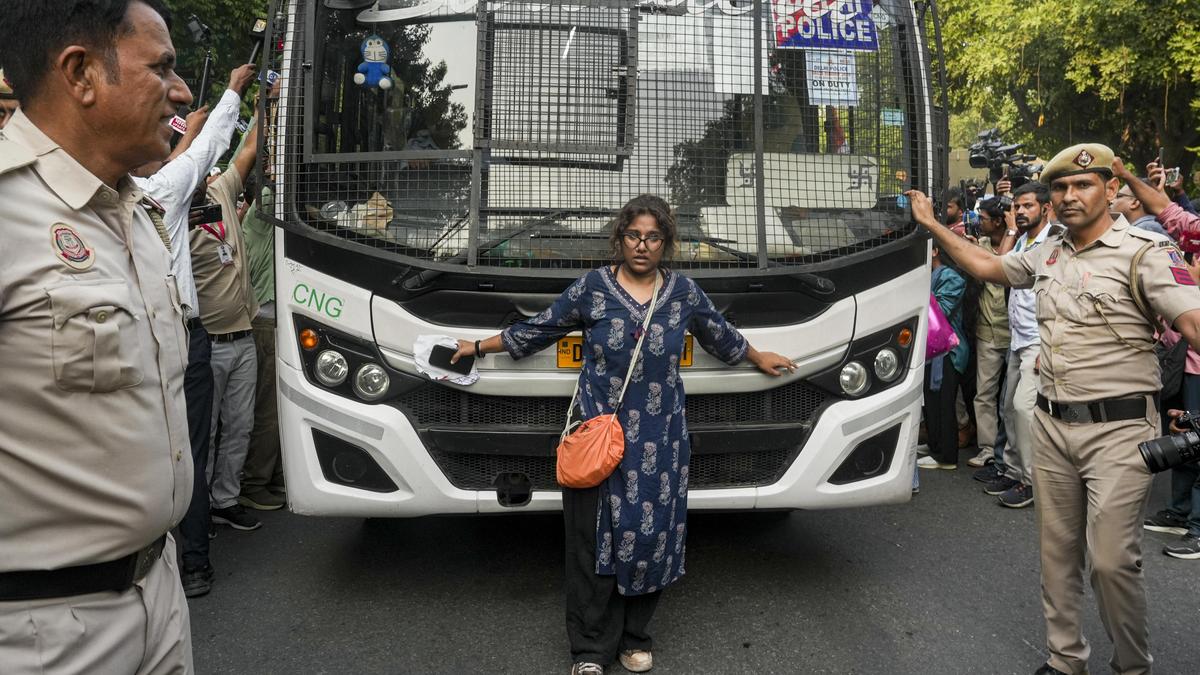
The Delhi Police has informed the Supreme Court that male officers are not legally barred from handling women during crowd-control operations. This stance follows petitions by media groups challenging the conduct of police toward journalists and protesters during recent demonstrations.
The Legal Parameters of Crowd Control and Gender
The recent submission by the Delhi Police to the Supreme Court marks a significant juncture in the ongoing debate regarding the intersection of public order enforcement and gender-sensitive policing. At the heart of this legal discourse is the interpretation of existing statutes concerning the arrest and search of women versus the broader, often ambiguous, category of 'crowd control.' The Delhi Police maintains that while specific legal protections exist to ensure women are searched or arrested by female personnel, these mandates do not extend to the dynamic and often chaotic environment of managing public protests.
The Role of Media and Freedom of Assembly
The Network of Women in Media, India (NWMI), along with several other journalistic bodies, has challenged the current operational norms. Their argument emphasizes that the freedom to gather, report, and document public dissent is a fundamental right that remains independent of state accreditation or formal employment status. This assertion highlights a growing tension between the state's interest in maintaining order and the constitutional right of journalists to operate without intimidation, especially when reporting on sensitive political demands, such as the resignation of Chief Election Commissioner Gyanesh Kumar.
Analyzing the Allegations of Misconduct
The legal petitions filed by groups like the Delhi Union of Journalists and the Free Speech Collective stem from specific allegations that women protesters and journalists were subjected to physical manhandling by male police officers. These incidents have sparked a broader inquiry into whether the current police manual is sufficient to protect the dignity and safety of women in high-tension scenarios. By arguing that crowd control is exempt from the strict gender-segregated protocols of arrests, the Delhi Police is effectively pushing for a more flexible, operational interpretation of their duties.
Constitutional Implications and Precedents
This case poses critical questions about the balance between state power and individual rights. If the Supreme Court accepts the police’s argument that crowd control is not governed by the same restrictive gender rules as arrests, it may set a precedent that alters the landscape of future protests. Historically, Indian jurisprudence has moved toward strengthening protections for women in police custody, but this debate highlights a 'gray area' in policing where the state prioritizes immediate tactical control over individual gender-based safeguards.
Future Trends in Policing and Accountability
Moving forward, the outcome of this litigation will likely influence how police forces across India approach protest management. If the court rules in favor of the petitioners, it could mandate the deployment of more female officers in frontline protest monitoring to ensure compliance with modern standards of dignity. Conversely, a ruling supporting the Delhi Police could solidify a 'functional necessity' doctrine, which allows for broader police discretion in maintaining public order, potentially leading to further friction between law enforcement and the press.
Conclusion
The standoff between the Delhi Police and media advocacy groups encapsulates the modern struggle for accountability in the public sphere. As the Supreme Court weighs the legal definitions of 'handling' women during protests, the final verdict will serve as a bellwether for the state of civil liberties. The case underscores the necessity for a clear, standardized policy that reconciles the practical realities of crowd management with the non-negotiable requirement of protecting human rights.
Verification Required?