'NDA is now complete': BJP welcomes back 'oldest ally' Akali Dal ahead of Punjab polls
Source Entity
AADRITA HALDER
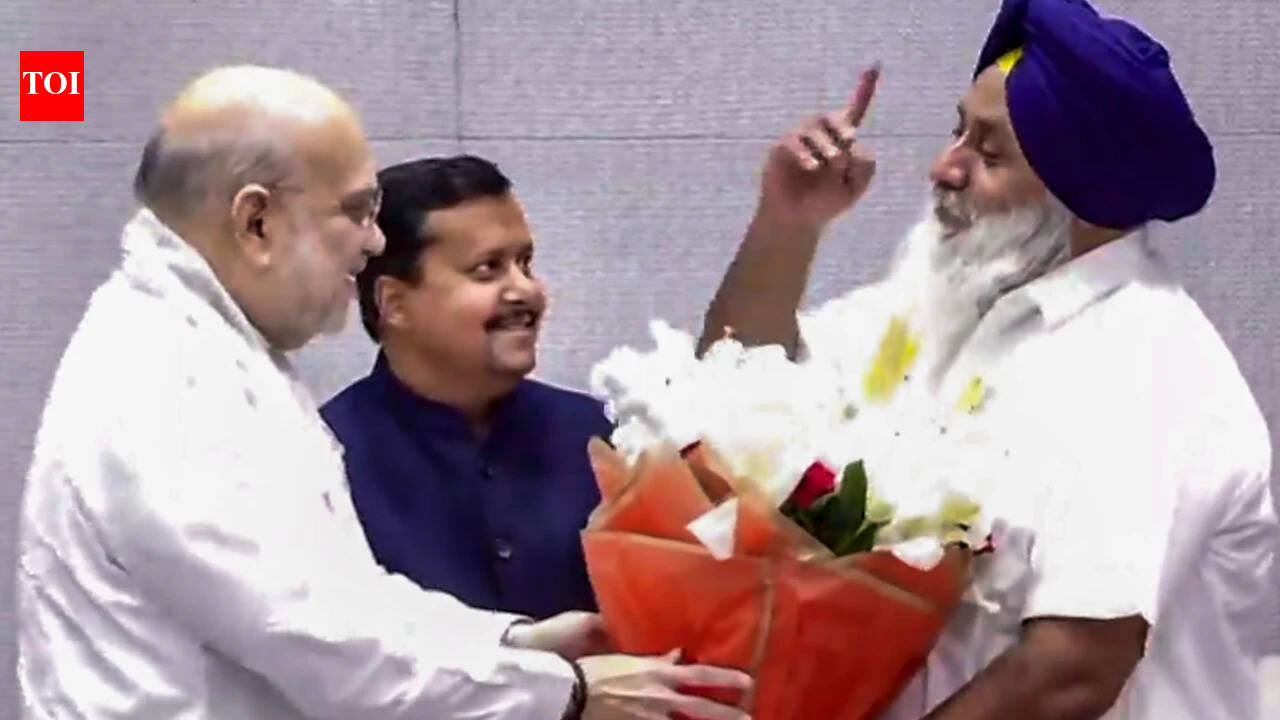
The BJP and Shiromani Akali Dal have officially revived their political alliance in Punjab after a six-year separation. The coalition aims to secure a victory in the upcoming assembly polls with a focus on making the state drug-free by 2029.
A Strategic Realignment in Punjab Politics
The political landscape of Punjab has witnessed a significant shift with the formal reconciliation between the Bharatiya Janata Party (BJP) and the Shiromani Akali Dal (SAD). After a six-year hiatus, the two parties have decided to set aside their differences to face the upcoming assembly elections as a united front. This reunion marks a return to their traditional partnership, aiming to consolidate their respective voter bases in a state that has seen complex political dynamics in recent years.
The Path to Reconciliation
The alliance, which was severed in September 2020, had hit a major impasse over the central government's controversial farm laws. At the time, the SAD, a long-standing partner in the National Democratic Alliance (NDA), chose to exit the coalition, leading to the resignation of Harsimrat Kaur Badal from the Union cabinet. The subsequent repeal of those farm laws created the necessary political space for both parties to re-evaluate their positions and eventually seek a path back to cooperation.
Leadership Dynamics and Future Governance
A critical component of this renewed agreement is the internal hierarchy of the coalition. According to reports involving Union Home Minister Amit Shah, the SAD is set to retain its status as the 'big brother' within the Punjab framework. A key incentive for the Akali Dal in this arrangement is the understanding that they will hold the Chief Ministerial position should the NDA secure a majority in the assembly polls. This signals a strategic compromise from the BJP, which is looking to expand its footprint in the state.
Policy Goals: The Drug-Free Initiative
Beyond the electoral arithmetic, the coalition has set a clear policy agenda, explicitly stating a goal to make Punjab drug-free by 2029. This focus addresses a long-standing social concern in the state, which has been a major talking point in Punjab politics for over a decade. By prioritizing this issue, the alliance hopes to resonate with voters who are increasingly concerned about the state's socio-economic health and the welfare of its youth.
Historical Context and Implications
The reunion of these two parties is not merely a tactical decision for the next election; it represents an attempt to stabilize the political environment in Punjab. Historically, the SAD-BJP alliance was a dominant force in the state, bridging the gap between rural agrarian interests and urban trade sectors. The revival of this partnership suggests a recognition by both parties that a fragmented opposition may be insufficient to challenge the current political status quo effectively.
Looking Ahead
As the formal announcement takes place in Delhi, with key figures like Sukhbir Singh Badal and Amit Shah leading the initiative, the focus now shifts to grassroots implementation. The success of this alliance will depend on how effectively the two parties can reconcile their ideological differences and mobilize their combined cadres. If successful, this partnership could fundamentally alter the trajectory of the upcoming Punjab assembly elections and dictate the state's political direction for the next several years.
Multiple Citing Sources