Chips can survive the space environment. Can their financing?
Source Entity
Tim Fernholz
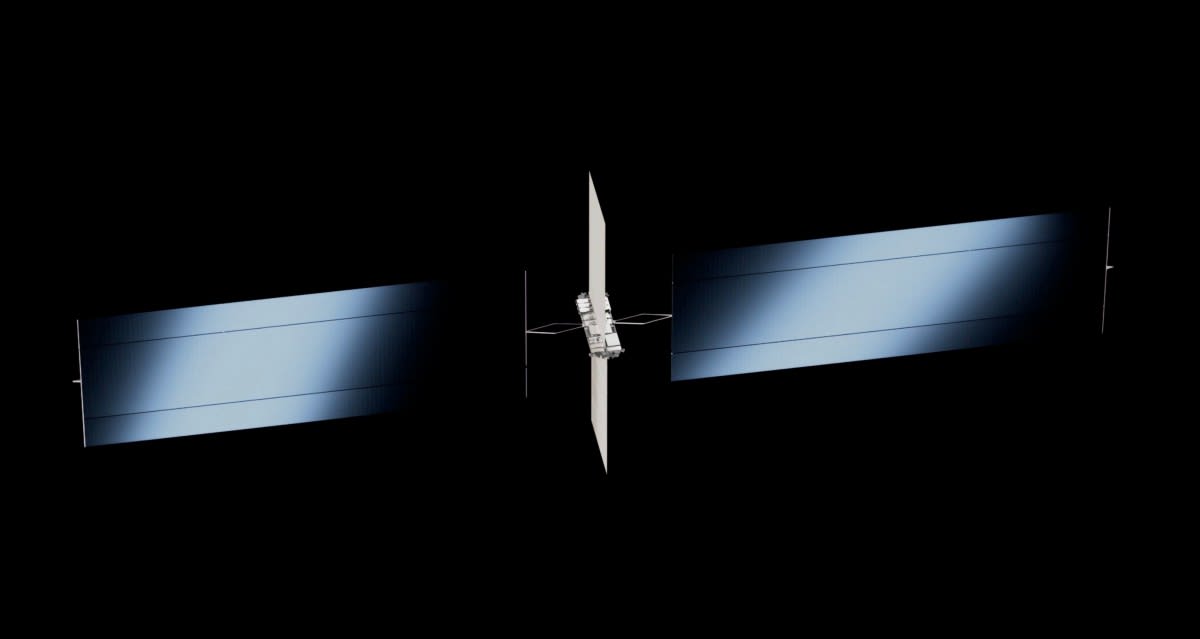
SpaceX is seeking a $32 billion debt sale to finance Nvidia AI chips, but lenders are demanding restrictions to prevent the hardware from being launched into orbit. The dispute centers on collateral security, as creditors fear they cannot reclaim chips deployed in space in the event of a default.
The High-Stakes Collision of Space Exploration and Debt Financing
SpaceX is currently navigating a complex financial landscape as it moves to secure at least $32 billion in debt to fund the acquisition of advanced Nvidia AI chips. This transaction, facilitated by major financial institutions like Goldman Sachs and Apollo Global Management, highlights the massive capital requirements of the modern artificial intelligence boom. However, the deal has hit a significant hurdle: the physical location of the collateral.
The Collateral Conundrum
At the heart of the dispute is the standard practice of using hardware as collateral for debt financing. In the traditional data center ecosystem, lenders rely on the ability to seize and resell chips if a borrower defaults. Because chips like the Nvidia H100 and H200 retain significant secondary market value, they serve as a reliable backstop for these massive loans. Lenders are now pushing to ensure that SpaceX’s hardware remains grounded on Earth, where it can be physically recovered if necessary.
Musk’s Orbital Ambitions vs. Financial Reality
Elon Musk has publicly expressed a vision for orbital data centers, proposing that the vacuum of space could provide a natural cooling solution for power-hungry AI models. To achieve this, SpaceX would need to launch massive quantities of high-end semiconductors into orbit. Lenders, wary of the risks associated with assets that are fundamentally inaccessible, are seeking contractual provisions to prevent these chips from being launched, effectively creating a terrestrial tether for the company's financial obligations.
The Evolution of Asset-Backed Lending
This tension underscores a broader shift in how space-based ventures are financed. Historically, space assets were government-backed or equity-funded. As companies like SpaceX push toward commercializing space infrastructure, the industry is forced to adapt to the rigorous demands of private debt markets. If lenders cannot verify or access their collateral, the cost of capital for space-based initiatives could rise significantly, potentially slowing the development of orbital computing.
Future Trends and Market Implications
As the AI infrastructure race accelerates, the ability to bridge the gap between space engineering and traditional financial security will be critical. If SpaceX succeeds in these negotiations, it could set a precedent for how 'in-orbit' collateral is valued and insured. Conversely, if lenders maintain strict 'Earth-only' clauses, it may force SpaceX to pursue alternative, likely more expensive, financing models that do not rely on hardware as a primary security interest. Ultimately, the outcome of this $32 billion deal will signal whether the financial sector is ready to back the infrastructure of the final frontier.
Multiple Citing Sources