This SpaceX number is spooking already skittish investors
Source Entity
Yahoo Finance
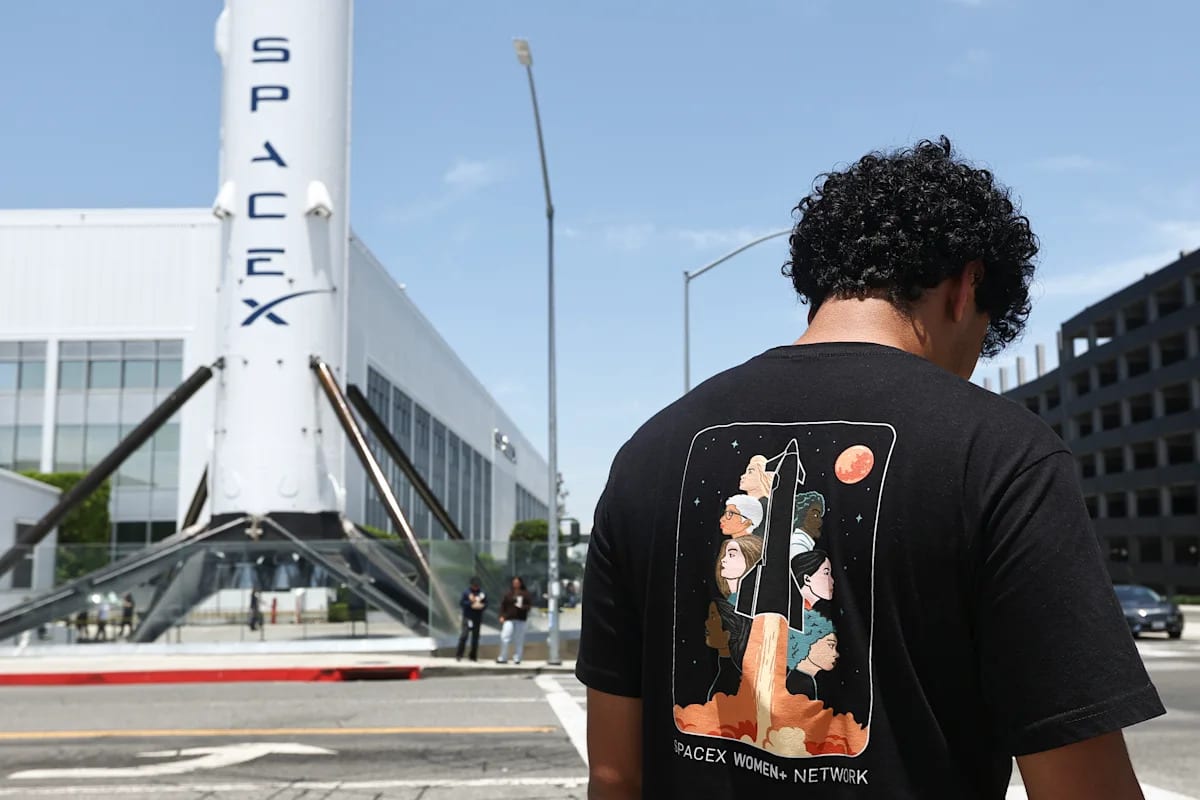
SpaceX's inaugural earnings report reveals a 92% revenue surge alongside a massive 550% increase in spending, primarily driven by aggressive AI infrastructure investments. Despite executive efforts to justify these costs, the market reacted negatively, leading to a significant drop in share price.
SpaceX's Financial Debut: A High-Stakes Balancing Act
SpaceX, the aerospace powerhouse led by Elon Musk, has officially entered the public markets, marking its transition from a private venture to a publicly traded entity. Following its historic June IPO, the company’s first-ever quarterly earnings report has provided Wall Street with its first glimpse into the financial mechanics of a firm that balances rocket manufacturing, Starlink satellite operations, and broader technological ventures. While the top-line growth is undeniable, the underlying figures reveal a company operating in an extremely capital-intensive phase of its lifecycle.
Revenue Growth vs. Explosive Spending
The report highlights a staggering 92% year-over-year revenue increase, reaching $7.8 billion. However, this growth has come at a significant cost. Spending surged by more than 550%, totaling $18.3 billion for the quarter, resulting in a net loss of $2 billion for the first half of the year. This disparity between revenue and expenditure underscores the massive scale of SpaceX's ongoing infrastructure projects, which are designed to capture future market share but currently weigh heavily on the company’s bottom line.
The AI Investment Controversy
A critical point of contention for investors is the allocation of capital toward artificial intelligence. Executives confirmed that over 80% of the company's capital expenditures were directed toward AI buildouts. While management attempted to reassure shareholders that these investments are expected to yield returns within a year, the market remains skeptical. This divergence between executive optimism and investor caution suggests a growing friction between Musk's long-term, futuristic vision and the short-term performance expectations of public shareholders.
Leadership Dynamics and Public Perception
The earnings call itself offered a window into the corporate culture at SpaceX. Reports suggest a dynamic where Elon Musk consistently inflated forward-looking promises, while CFO Bret Johnsen and COO Gwynne Shotwell attempted to anchor the conversation in operational reality. This pattern—reminiscent of Musk's tenure at Tesla—highlights the challenge of managing investor expectations when the company's leader is focused on disruptive, long-horizon technologies that may not align with immediate quarterly profit targets.
Market Reaction and Future Outlook
The market’s response was swift and unforgiving, with shares falling nearly 9% in after-hours trading, effectively erasing the day's gains. This volatility reflects the uncertainty surrounding the company’s massive capital burn rate. As SpaceX continues to scale its Starlink network and rocket launch capabilities, the pressure will mount to prove that these capital-intensive AI investments are not just speculative, but essential drivers of long-term profitability. The company now faces the arduous task of convincing a wary Wall Street that its current fiscal trajectory is a necessary precursor to becoming a dominant, self-sustaining global utility.
Multiple Citing Sources