SpaceX may have missed its window to buy Tesla
Source Entity
Yahoo Finance
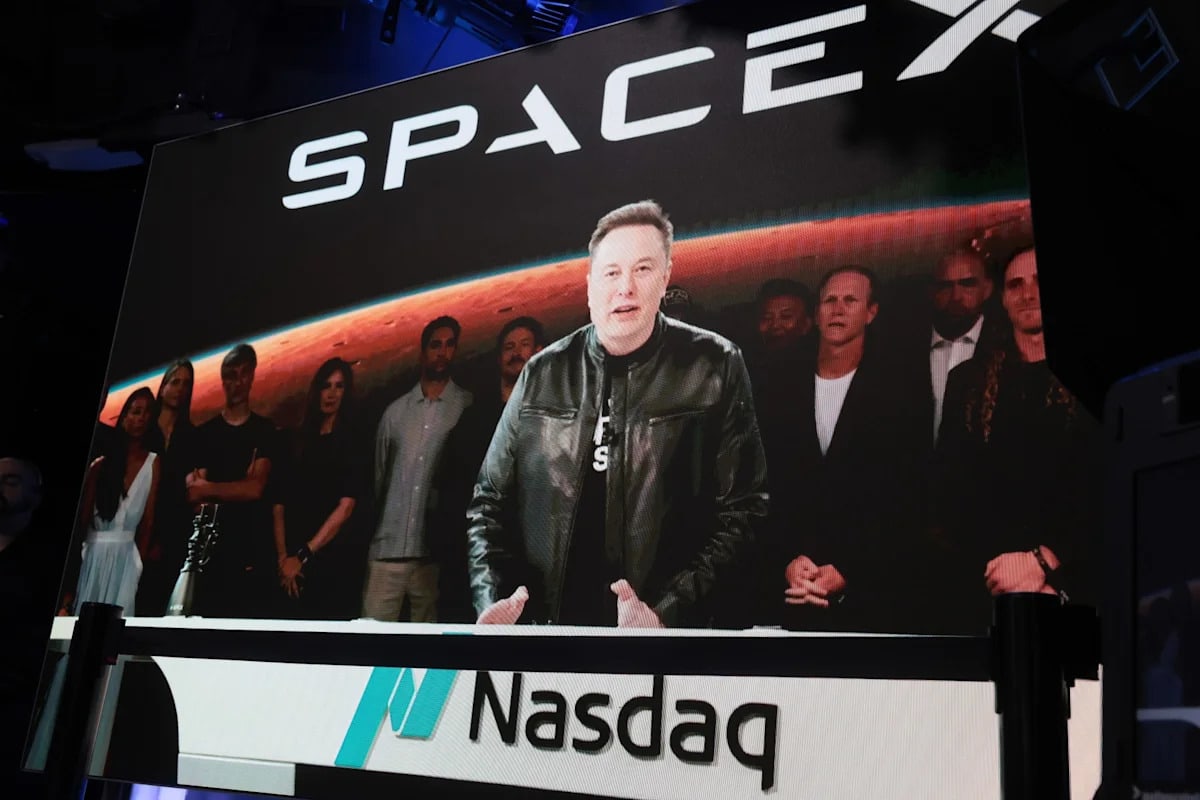
Elon Musk has fueled speculation regarding a potential merger between Tesla and SpaceX, highlighting increasing operational overlaps. Meanwhile, SpaceX faces significant market pressure as short interest surges following its record-breaking June IPO.
The Convergence of Musk’s Empires: A Potential Tesla-SpaceX Merger
Recent discussions during Tesla’s Q2 earnings call have reignited intense speculation regarding a potential merger between the electric vehicle giant and SpaceX. While CEO Elon Musk stopped short of confirming a formal move, his acknowledgment of the "more and more overlap" between the two entities suggests that the corporate boundaries between his ventures are becoming increasingly porous. By citing shared projects like the Digital Optimus robot, which utilizes xAI’s Grok chatbot, Musk effectively signaled that the technological synergy between his companies is no longer just theoretical, but a core component of their future operational strategy.
The Strategic Rationale for Integration
The case for a tie-up is primarily driven by the shared engineering requirements of both companies. SpaceX provides the aerospace infrastructure and material science expertise, while Tesla contributes advanced battery technology, manufacturing scale, and AI-driven robotics. As Musk noted, these collaborations are expanding rapidly. A formal merger could theoretically streamline resource allocation, allowing for a unified approach to long-term projects like the Optimus humanoid robot, which requires the combined intellectual property of both entities to achieve commercial viability.
Market Volatility and the IPO Aftermath
While the prospect of a merger fascinates investors, SpaceX itself is navigating a turbulent period following its historic June IPO. Opening at $135 per share, the company briefly hit a staggering $2.1 trillion valuation. However, the five weeks since the debut have been marked by a massive accumulation of bearish bets. With short interest ballooning to over 206 million shares—representing roughly 32% of the float—investors are clearly skeptical of the current valuation, creating a $25 billion wall of opposition against the stock.
The Role of Lockup Expirations
The surge in short selling is not merely a reaction to sentiment but is rooted in the technical mechanics of the IPO. SpaceX utilized a staggered lockup expiration strategy, releasing only a small fraction of its shares into the public float initially. As these lockup periods expire, the increase in available shares often triggers volatility. Investors anticipating this influx of liquidity are positioning themselves to capitalize on potential downward pressure, viewing the current pricing as disconnected from the immediate fundamentals of the aerospace firm.
Future Trends and Corporate Governance
The intersection of these two stories—the potential merger and the short-selling frenzy—presents a complex puzzle for shareholders. If Musk proceeds with a merger, it would require a rigorous, transparent process to satisfy regulatory and governance standards, as he alluded to on the earnings call. Investors remain wary, however, that such a move might be viewed as a way to insulate SpaceX’s valuation from market volatility by anchoring it to Tesla’s more established revenue streams. Moving forward, the market will likely remain hyper-focused on how Musk balances the integration of his companies against the intense scrutiny of institutional short sellers.
Multiple Citing Sources