Nearly 2,200 migrants reach Canary Islands in two days, Spain says
Source Entity
India Latest News: Top National Headlines Today & Breaking News | The Hindu
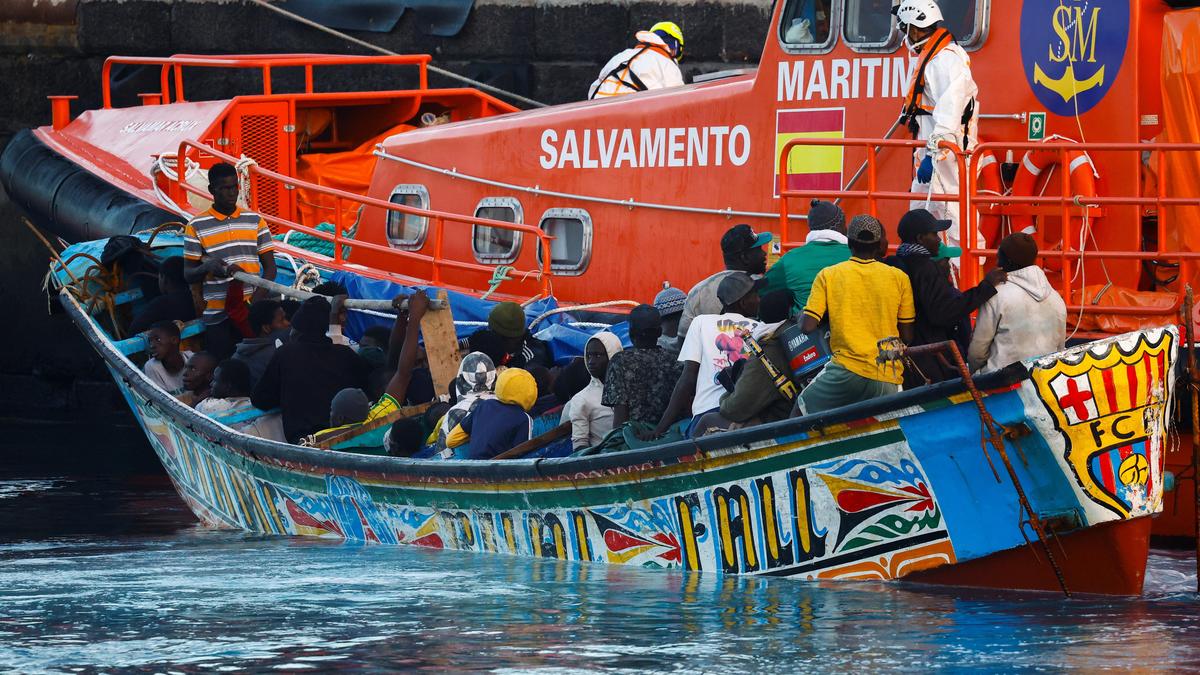
Spain's Canary Islands have seen a massive surge of nearly 2,200 migrant arrivals in just two days. This spike has prompted the government to declare a migration emergency ahead of upcoming national elections.
The Canary Islands Migration Crisis: An Escalating Emergency
Spain’s Canary Islands are currently facing a significant humanitarian and logistical challenge, marked by the arrival of nearly 2,200 migrants over a single 48-hour period. This surge, which includes a notable influx of women and children—such as the 12 women and 36 children found on a single vessel carrying 240 people—underscores the desperate nature of the Atlantic route. As an archipelago situated off the northwest coast of Africa, the islands have long served as a primary, yet perilous, gateway for individuals fleeing instability in sub-Saharan and West Africa.
A Statistical Surge and Humanitarian Stakes
The scale of these arrivals is historically significant, with single-day figures reaching levels not seen since 2020. Data from Spain’s Interior Ministry reveals that out of approximately 28,000 maritime arrivals in Spain between January and October, nearly half landed in the Canary Islands. The sheer volume of 1,324 people rescued from 14 separate dinghies in such a short window highlights the operational strain on the Spanish maritime rescue services and the vulnerability of those attempting the crossing in makeshift, unseaworthy boats.
Political Implications and the 'Emergency' Declaration
On November 11, the Spanish government formally declared a migration emergency in the region. This policy shift is not merely administrative; it reflects the deep political sensitivity of the crisis. With an early general election scheduled in just two weeks, the timing of these arrivals places migration at the center of the national discourse. The surge has forced the government to balance humanitarian obligations with the political pressure to manage borders effectively as public scrutiny intensifies.
The Geopolitics of the Atlantic Route
The Atlantic route from West Africa remains one of the most dangerous paths for migrants globally. The consistency of these arrivals suggests that regional instability and economic hardship in sub-Saharan Africa continue to outweigh the life-threatening risks of the sea crossing. The reliance on small dinghies further complicates rescue efforts, as maritime authorities are forced to constantly navigate the balance between interception and the duty to save lives in international waters.
Future Trends and Regional Stability
Looking forward, the situation in the Canary Islands is likely to remain a focal point for European migration policy. As the Spanish government navigates its upcoming election, the debate over resource allocation, border security, and the integration of new arrivals will likely dominate the political landscape. Without significant changes to the root causes of migration in West Africa or a more robust EU-wide strategy for handling Mediterranean and Atlantic arrivals, the strain on the Canary Islands’ infrastructure is expected to persist, necessitating ongoing emergency measures and international cooperation.
Multiple Citing Sources
Verification Required?