Eating Fire For Breakfast: Hungry Donkeys Turn Firefighters In Spain
Source Entity
NDTV News Search Records Found 1000
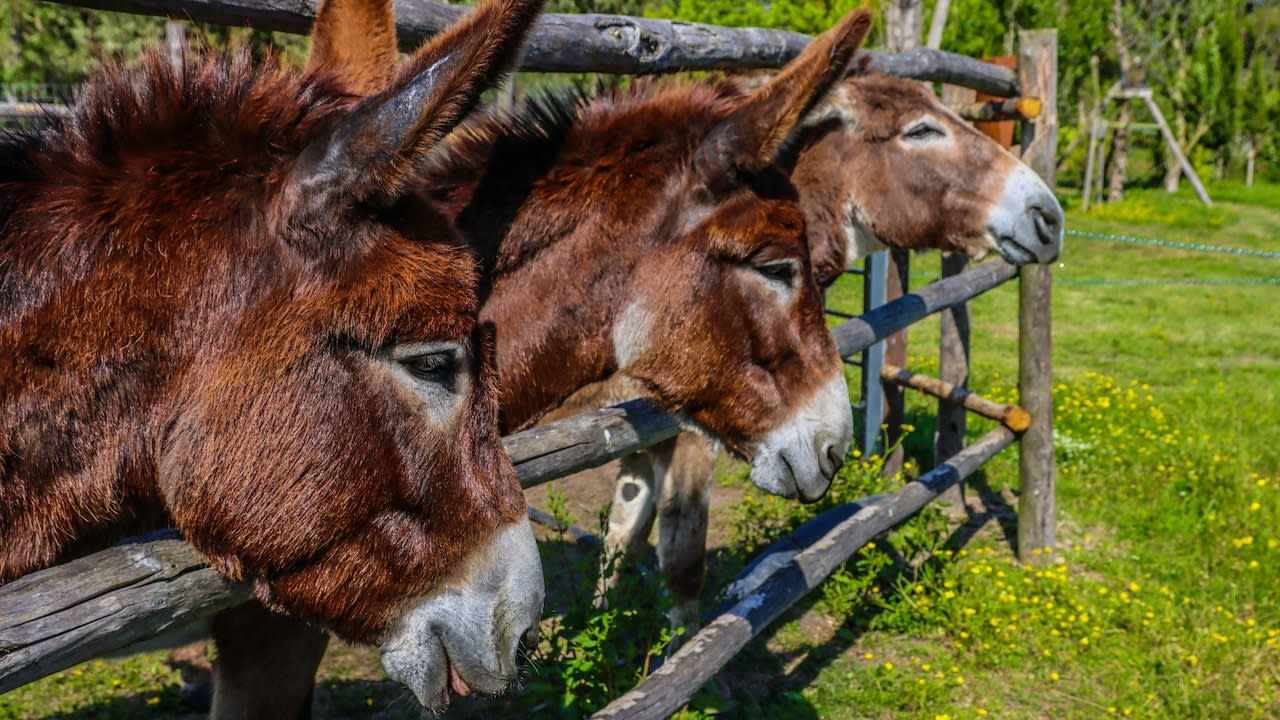
In southern Spain, a nonprofit initiative is using rescued donkeys to clear flammable vegetation, creating natural firebreaks to prevent wildfires. This sustainable approach combines animal welfare with ecological management as Mediterranean regions face increasingly severe fire seasons.
The Return to Nature: Spain's Donkey-Led Wildfire Prevention
In the face of intensifying climate change and earlier-than-usual wildfire seasons across southern Europe, authorities and conservationists are looking beyond high-tech solutions. While drones, satellites, and artificial intelligence remain at the forefront of modern firefighting, a nonprofit in Catalonia, Spain, is finding success with a much older, more biological method: the humble donkey. By deploying rescued and rehabilitated animals to graze on highly flammable grasses, the project is creating vital, natural firebreaks in the dry Mediterranean landscape.
A Sustainable Model for Landscape Management
The project, known as Tivissa Donkey Firefighters, was founded by Joan Cedó Sans in 2020. The concept emerged from direct observation; after fires devastated the area near his property in 2013, Sans noted that the donkeys grazing on his land were exceptionally effective at reducing the undergrowth that acts as fuel for wildfires. By systematically grazing in high-risk zones, these animals act as living lawnmowers, reducing the biomass that allows flames to spread rapidly across the countryside.
Integrating Animal Welfare with Ecological Protection
Beyond the environmental benefits, this initiative provides a "dignified life" for donkeys that have been abandoned or mistreated. This creates a symbiotic relationship: the donkeys are rehabilitated and given a purpose, while the environment receives protection from the devastating wildfires that have already destroyed over 240,000 acres in Spain this year alone. This approach addresses two issues simultaneously—the welfare of domestic animals and the urgent need for landscape management in an era of extreme heat.
The Limitations of Technology and the Need for Biodiversity
While technology provides early detection, it cannot physically remove the fuel that feeds a fire. In the rugged, often inaccessible terrain of Catalonia, mechanical equipment can be expensive and difficult to deploy. Donkeys, however, are perfectly suited for these environments. Their ability to navigate rocky, uneven slopes makes them uniquely capable of maintaining areas that would be difficult for human crews or heavy machinery to reach, offering a low-cost, low-carbon alternative to traditional brush clearing.
Future Trends and Scalability
As wildfire seasons continue to lengthen and intensify due to the changing climate, the success of the Tivissa initiative may serve as a blueprint for other Mediterranean regions. The integration of livestock into fire prevention strategies is not just a return to traditional farming wisdom, but a forward-thinking adaptation. By fostering biodiversity and reducing the reliance on artificial firebreaks, projects like this suggest that the most resilient solutions for the future may involve working more closely with the natural ecosystem rather than trying to engineer our way out of every environmental crisis.
Verification Required?