Wildfires in south-west France flare up as region braces for new 40C heatwave
Source Entity
BBC News
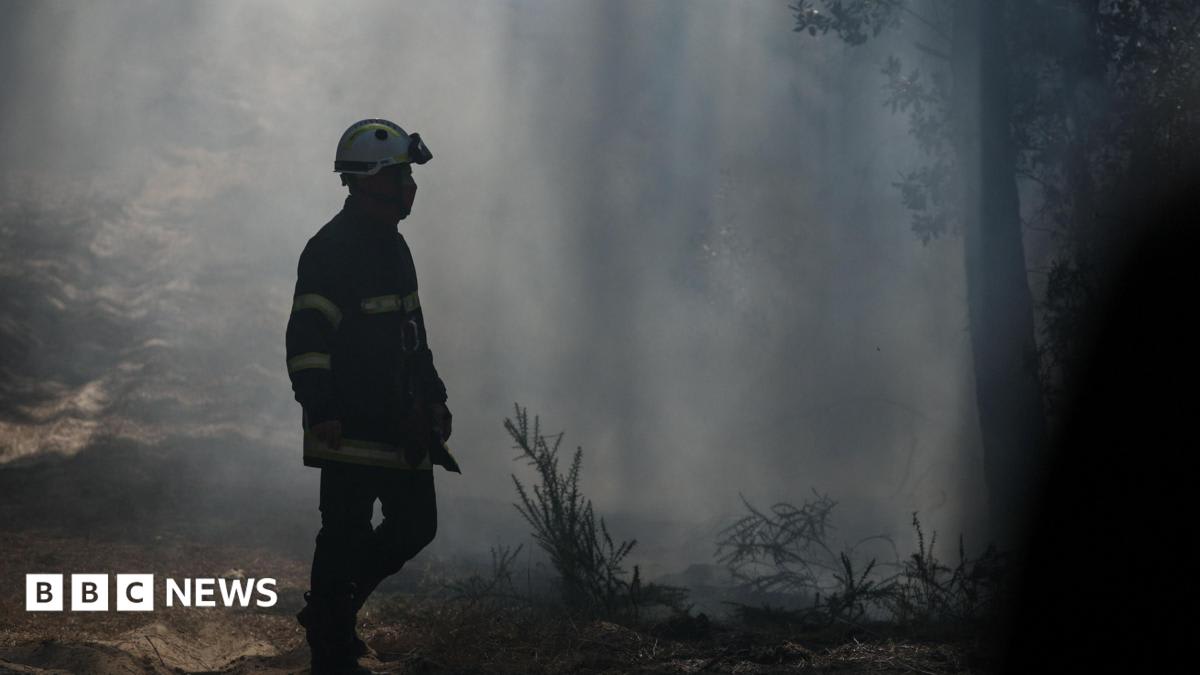
Spain and France are battling massive, record-breaking wildfires exacerbated by a severe heatwave. With nearly 300,000 acres burned and hundreds of thousands evacuated, authorities are struggling to contain the blazes as temperatures approach 40C.
The Mediterranean Inferno: A Crisis of Unprecedented Scale
Spain and France are currently confronting a catastrophic wildfire season that has been described by regional officials, including Ayuso, as the "biggest natural catastrophe in the history of Spain." The fires, which have raged across thousands of hectares, have turned landscapes into scenes reminiscent of a "war zone." The scale of the disaster is staggering, with nearly 300,000 acres consumed by flames across both nations—approximately 190,000 acres in Spain and 104,000 in France. This environmental crisis has necessitated the evacuation of nearly 300,000 people, overwhelming local infrastructure and emergency services.
The Role of Meteorological Extremes
The intensity of these fires is inextricably linked to a severe and persistent heatwave. Meteorological agencies, including Spain’s Aemet, have issued dire warnings as temperatures are expected to climb toward 40C (104F). This extreme heat not only creates the perfect conditions for combustion but actively hinders firefighting efforts, as the "fire danger level" continues to rise to extreme categories. In France, the Gironde region has been particularly hard hit, with firefighters bracing for a sharp rise in temperatures that threatens to reignite containment lines that were previously secured.
Displacement and Human Impact
The human cost of this disaster is profound. In the Madrid region alone, over 56,500 people have been evacuated, with an additional 27,797 ordered to shelter in place. The situation is mirrored in France, where the evacuation of 4,000 tourists from coastal campsites near Lacanau serves as a stark reminder of the disruption to life and economy. Beyond the immediate danger, the destruction of at least 240 homes and the ongoing threat to property have left entire communities in a state of precarious uncertainty.
The Challenge of Containment and Law Enforcement
Firefighting operations are being pushed to their absolute limits. In Gironde, the struggle is constant; while some nights offer a brief respite, the heat of the day often causes fires to flare up again. The complexity of the situation is compounded by human factors; French authorities have reported 184 arrests related to the fires since July 6, including a 23-year-old suspect in the Var region who faces up to 15 years in prison. These incidents underscore the fragility of the landscape and the severe consequences of negligence during high-risk weather events.
Future Trends and Broader Implications
This crisis serves as a grim indicator of a changing climate where heatwaves are becoming longer, more frequent, and more intense. The combination of prolonged drought and high temperatures suggests that the Mediterranean basin is becoming increasingly susceptible to such mega-fires. As the region braces for the remainder of the summer, the focus remains on immediate containment, but the long-term trend suggests that European nations will need to significantly reevaluate their disaster preparedness, forest management, and civil protection strategies to mitigate the impact of future climate-driven catastrophes.
Multiple Citing Sources