The night Lionel Messi lost it all: World Cup, Golden Ball, Golden Boot—and barely a mark on the final
Source Entity
Latest News: Today's Latest News Headlines from India & World | Hindustan Times | Hindustan Times
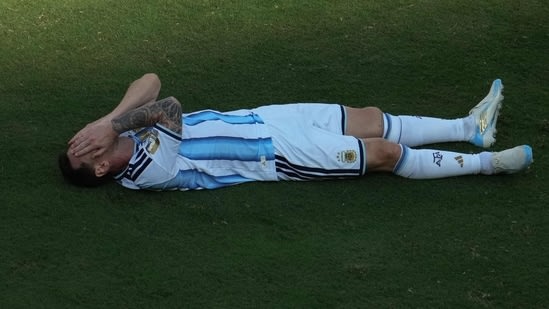
Ferran Torres scored an extra-time winner to secure Spain's second World Cup title in a 1-0 victory over Argentina. The match was defined by intense physical play, including a red card for Argentina's Enzo Fernandez.
Spain Claims Historic Second World Cup Title
In a dramatic showdown that will be remembered for years to come, Spain has secured its second FIFA World Cup title, defeating reigning champions Argentina 1-0 in a tense, hard-fought final. The victory, sealed by a decisive extra-time goal from Barcelona forward Ferran Torres, marks a significant milestone in Spanish football, mirroring their historic 2010 triumph against the Netherlands.
A Tactical Battle of Attrition
The match remained deadlocked at 0-0 through regulation time, characterized by a highly defensive posture from both sides. Argentina, led by Lionel Messi, struggled to find their rhythm, with reports indicating that the South American side barely threatened the Spanish goal throughout the duration of the match. The tactical discipline displayed by the Spanish defense effectively neutralized Argentina's offensive threats, leading to a frustrating evening for the reigning champions.
The Turning Point: Discipline and Drama
The intensity of the final reached a boiling point during second-half stoppage time when Argentina’s Enzo Fernandez was issued a red card. The dismissal followed a reckless challenge on Spanish defender Pau Cubarsi, which left the player airborne and forced the referee to take immediate disciplinary action. Reducing Argentina to ten men proved to be the pivotal moment that shifted the momentum firmly in Spain’s favor as they entered the extra-time period.
Ferran Torres: The Hero of the Final
With the numerical advantage, Spain began to exert greater pressure on the Argentine backline. Ferran Torres, who has been a consistent performer for his club, capitalized on the opening, etching his name into the annals of Spanish sports history with his strike in the second half of extra time. The goal was the culmination of a persistent effort to break down an increasingly fatigued Argentine defense.
Broader Implications and Legacy
This victory cements Spain's status as a modern footballing powerhouse, proving that their tactical evolution post-2010 remains effective on the world stage. For Argentina, the loss represents a difficult conclusion to their reign as world champions, particularly with Lionel Messi’s inability to impact the game as expected. As the dust settles, this final will be analyzed for its high-stakes tension and the officiating decisions that ultimately shaped the outcome.
Future Trends in International Football
Looking ahead, this match highlights the increasing reliance on tactical discipline and squad depth in international tournaments. The emergence of young talents like Lamine Yamal—who nearly scored from a free-kick shortly after the red card incident—suggests that Spain is well-positioned for future success. This result serves as a reminder that even in the modern era of individual brilliance, collective tactical structure and composure under pressure remain the deciding factors in World Cup glory.
Multiple Citing Sources
Verification Required?