Visual story | SS United States sinking: Location, map and how Titanic-sized reef will form
Source Entity
The Indian Express
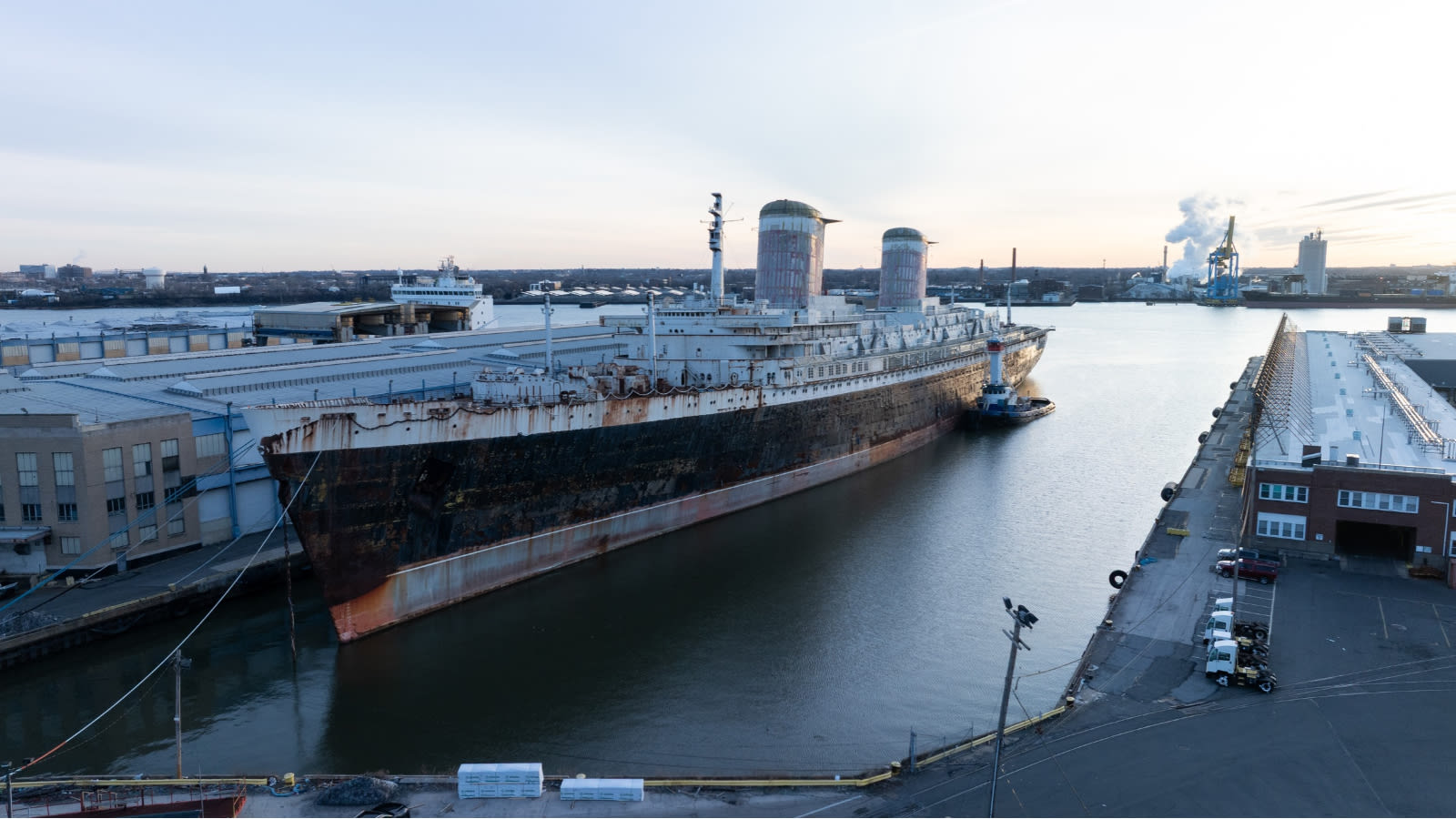
The historic SS United States ocean liner is being sunk off the Florida coast to create the world's largest artificial reef. The $13.5 million project aims to boost marine biodiversity and local tourism, with the operation expedited due to weather concerns.
The Final Voyage of the SS United States
The SS United States, a vessel that once epitomized the pinnacle of mid-century maritime engineering, is entering its final chapter. Measuring 990 feet in length—surpassing the Titanic—the ship is being intentionally sunk in the Gulf of Mexico, approximately 25 miles southwest of Destin, Florida. This transition from a celebrated transatlantic record-holder to an underwater landmark marks a significant shift in the vessel's legacy, moving from a symbol of speed to a foundation for marine restoration.
Engineering an Artificial Ecosystem
At a cost of $13.5 million, this ambitious project aims to create the world’s largest artificial reef. By providing a massive, structured environment on the seafloor, the ship is expected to attract a diverse array of marine life, including predatory species such as tuna, marlin, and swordfish. This initiative serves a dual purpose: fostering a robust marine habitat while simultaneously creating a premier destination for divers and fishing enthusiasts, which is projected to provide long-term economic benefits to the Florida Gulf Coast.
Operational Logistics and Safety
The logistical complexity of scuttling a vessel of this magnitude is immense. A fleet of tugboats successfully transported the liner from its long-term berth in Philadelphia and a subsequent holding in Mobile, Alabama, to its final resting place. To ensure public safety during the controlled flooding, the U.S. Coast Guard has established a strict one-nautical-mile exclusion zone. This perimeter is essential to protect unauthorized vessels from the hazards associated with the sinking process and the structural instability of the ship as it settles.
Adapting to Environmental Realities
Originally scheduled for Thursday, the sinking was moved forward by 24 hours to Wednesday. Officials cited deteriorating weather conditions as the primary driver for this schedule change. This decision highlights the inherent challenges of maritime operations, where even well-planned environmental engineering projects remain subject to the unpredictable nature of the Gulf of Mexico's weather patterns.
From Transatlantic Glory to Underwater Legacy
Historically, the SS United States was celebrated as the fastest ocean liner in the world, a proud achievement of American industrial ambition. After decades of service and subsequent years of stagnation tied to the Philadelphia waterfront, its transformation into an artificial reef ensures that the ship remains a permanent, albeit submerged, part of the American landscape. Rather than facing the ignominy of scrap, the ship is being repurposed into an ecological asset.
Future Implications for Maritime Preservation
This project sets a precedent for how retired, massive maritime structures can be managed in a way that provides ecological value. By prioritizing the creation of a reef over simple disposal, stakeholders are demonstrating a commitment to environmental stewardship. As the ship descends to the seafloor, it will begin its transition into a thriving ecosystem, cementing its place in history not as a relic of the past, but as a dynamic contributor to the future of the Gulf’s marine biodiversity.