44 states are aligned on one thing in their fight against prediction markets. It's about sports wagering
Source Entity
US Top News and Analysis
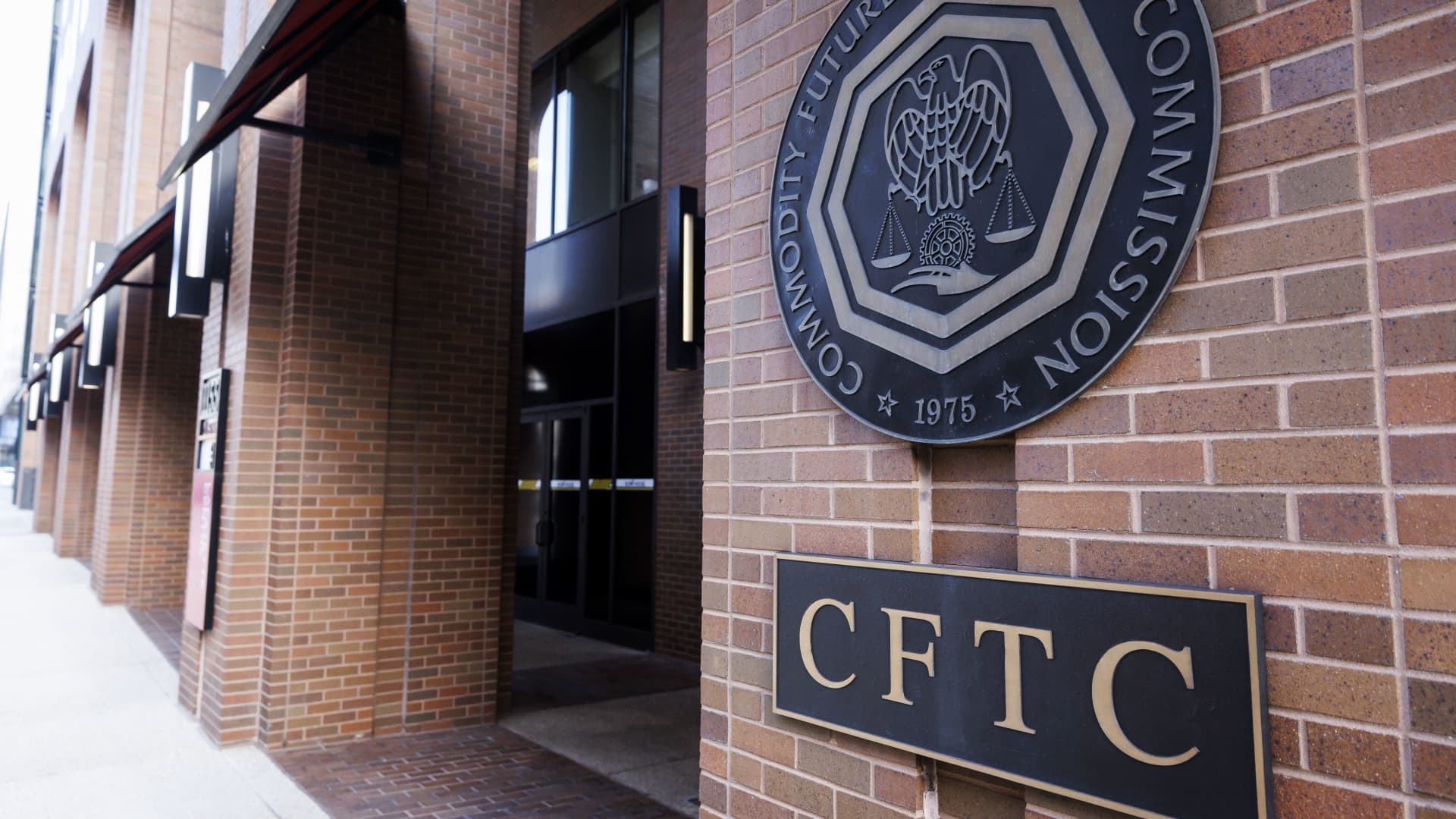
A coalition of 44 state attorneys general is challenging the CFTC's authority to regulate sports-based prediction markets. Meanwhile, a federal court has blocked Minnesota's attempt to ban these platforms, highlighting the ongoing legal friction between state gambling laws and federal regulatory jurisdiction.
The Tug-of-War Over Prediction Market Regulation
A significant legal and jurisdictional conflict is unfolding as 44 state attorneys general, led by Ohio’s Andy Wilson, have formally challenged the Commodity Futures Trading Commission (CFTC) regarding the regulation of prediction markets. At the heart of this dispute is the agency's proposed rule, which seeks to govern event contracts—specifically those tied to sports wagering. The coalition argues that the CFTC lacks the statutory authority to oversee these markets, claiming the proposed rule exceeds federal power and contradicts constitutional principles.
The Question of Statutory Authority
The coalition’s letter, submitted during the final hours of the CFTC’s public comment period, asserts that the agency’s current approach is "arbitrary and capricious." By attempting to classify sports-based event contracts as commodities subject to federal oversight, the CFTC is effectively clashing with the traditional state-level authority to regulate gambling. This creates a regulatory vacuum where platforms like Kalshi and Polymarket find themselves caught between federal oversight attempts and state-level legislative crackdowns.
Minnesota’s Failed Legislative Ban
Simultaneously, the legal landscape was further complicated by a federal court ruling in Minnesota. The state had attempted to become the first in the U.S. to implement a total ban on prediction markets, viewing them as indistinguishable from unregulated gambling. However, a federal judge issued a preliminary injunction just days before the law’s August 1 effective date, effectively halting the enforcement of the ban. This lawsuit, which involved the Trump administration alongside major market operators, underscores the high stakes involved in defining these digital platforms.
The Intersection of Gambling and Finance
The fundamental tension lies in how these event contracts are categorized. While the CFTC views them as derivatives or financial instruments, state lawmakers increasingly view them as sports betting apps operating without the necessary state licenses. By framing these markets as gambling, states seek to enforce consumer protection and revenue-sharing laws that are currently bypassed by the federal designation of these platforms as "prediction markets."
Future Implications and Trends
Looking ahead, this dual-front battle—one involving federal rulemaking and the other involving state-level litigation—suggests that the industry is headed toward a Supreme Court or high-level appellate intervention. If the CFTC continues to push for oversight, it risks a permanent fracture with state authorities who believe their sovereign rights to regulate gaming are being eroded. Conversely, if the courts continue to block state-level bans, the industry may operate in a legal gray area that invites further federal scrutiny.
Conclusion
Ultimately, the fight over prediction markets is a clash of legal definitions. As technology allows for the rapid creation of markets on everything from election outcomes to athletic performance, the existing regulatory frameworks are struggling to keep pace. Whether these platforms are viewed as innovative financial tools or high-risk gambling venues will determine the future of digital wagering in the United States.