Ships shun Strait of Hormuz as renewed fighting strains key oil corridor
Source Entity
US Top News and Analysis
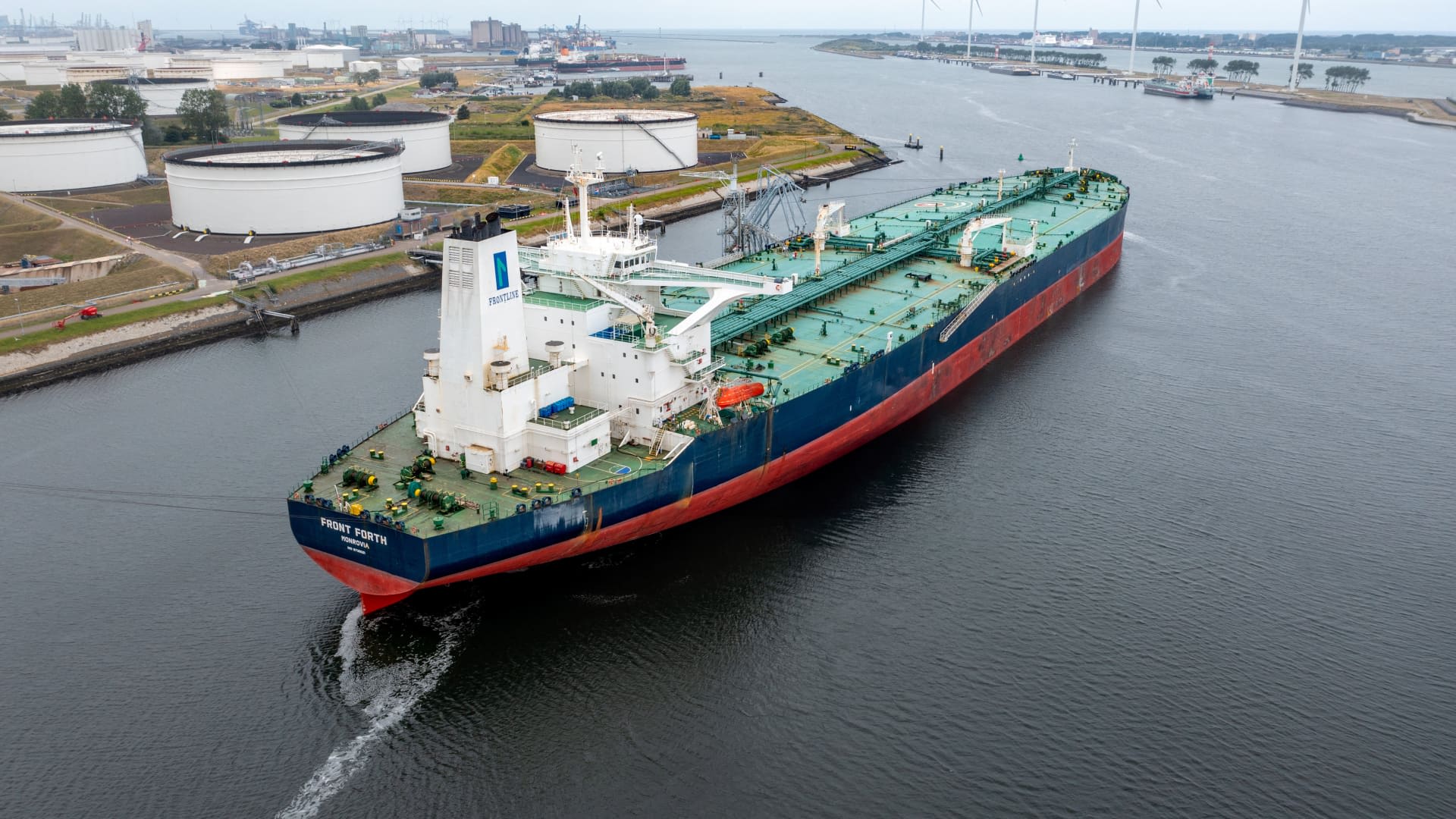
Vessel traffic through the Strait of Hormuz has plummeted by 66% following a U.S. blockade and escalating conflict between the U.S. and Iran. Shipping operators are increasingly avoiding this vital energy corridor due to heightened security risks and a blanket maritime ban issued by Tehran.
The Strait of Hormuz Crisis: A Global Energy Chokepoint Under Siege
The Strait of Hormuz, a narrow waterway essential to the global energy supply, is currently experiencing a historic disruption. Following the implementation of a U.S. blockade and a sharp rise in military hostilities between the United States and Iran, vessel traffic through this critical corridor has collapsed. The data is stark: Lloyd's List Intelligence reports a 66% decline in weekly transits, falling from 157 to just 53, signaling a profound shift in maritime logistics and global trade security.
The Mechanics of the Maritime Stagnation
This decline is not merely a statistical anomaly but a direct reaction to an increasingly volatile security environment. The confluence of U.S. strikes, Tehran’s retaliatory declaration of a blanket ban on maritime traffic, and direct attacks on commercial vessels has created a 'no-go' zone for many international operators. Shipping companies, tasked with the delicate balance of navigating global energy demands, are now prioritizing crew safety and asset protection over the efficiency of the Strait route.
Economic Implications for Global Energy
As the primary artery for Gulf crude oil and liquefied natural gas (LNG), the Strait of Hormuz is indispensable. The sudden reduction in tanker and gas carrier movements threatens to create a supply-side shock in international energy markets. When the flow of energy is interrupted in a region responsible for such a significant portion of world oil production, the ripple effects are felt instantly in global pricing, logistics costs, and the stability of energy-dependent industries.
Strategic Risks and Operational Uncertainty
For shipowners and insurers, the risk profile of the Gulf has shifted from manageable to extreme. The combination of a U.S. blockade and Iranian maritime restrictions has created a legal and physical minefield. Operators are forced to reassess their insurance premiums and contractual obligations, leading many to avoid the region entirely. This decision to 'shun' the Strait is a testament to the severity of the current geopolitical standoff.
Geopolitical Context and Future Trends
This crisis reflects the deepening hostility between Washington and Tehran. Historically, the Strait of Hormuz has been a flashpoint, but the current escalation—marked by active blockades and direct strikes—is unprecedented in its impact on commercial traffic. Looking ahead, if the blockade and the cycle of attacks persist, the global shipping industry may need to prepare for long-term rerouting strategies, which would permanently alter the cost structure of global energy transport.
Conclusion: A Fragile Status Quo
The current situation underscores the extreme vulnerability of global supply chains to regional geopolitical conflicts. While the world watches the standoff between the U.S. and Iran, the immediate reality for the shipping industry is one of retreat and caution. Until a diplomatic or military de-escalation occurs, the Strait of Hormuz will remain a severely restricted corridor, with significant and enduring consequences for the global economy.