Locals raise concern over growing stray cattle in Gurugram
Source Entity
Latest News: Todays Latest News Headlines from India & World | Hindustan Times | Hindustan Times
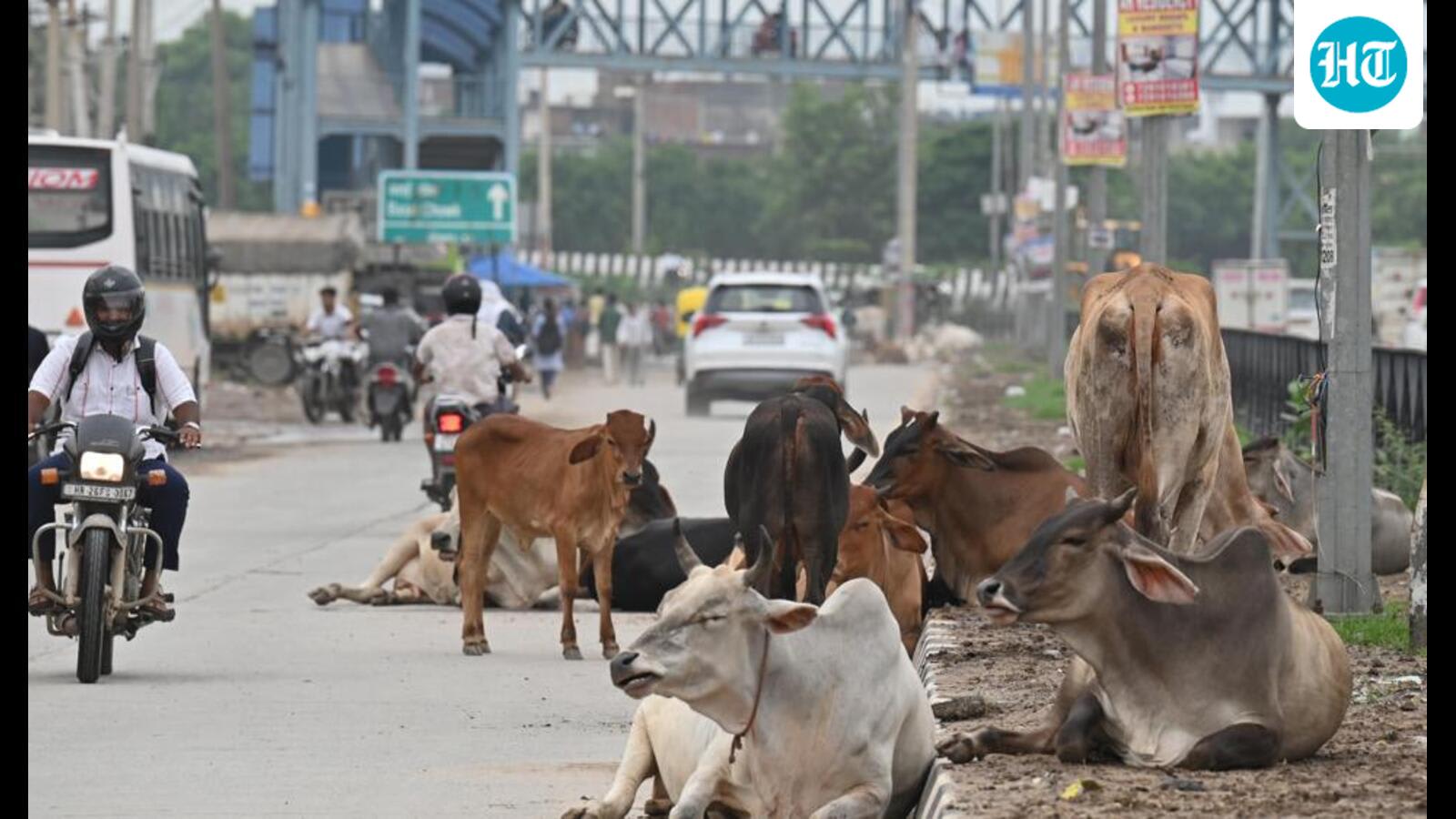
Gurugram residents are expressing urgent safety concerns as over 7,000 stray cattle roam city streets. The presence of these animals has led to dangerous traffic incidents, prompting calls for immediate municipal intervention.
The Growing Crisis of Stray Cattle in Gurugram
An Escalating Public Safety Concern
The city of Gurugram is currently grappling with a significant urban management crisis as the population of stray cattle on its roads has surged to over 7,000, according to data from the Municipal Corporation of Gurugram (MCG). For the residents of this rapidly developing corporate and residential hub, these animals are no longer just a common sight but a persistent danger. The presence of large livestock on major thoroughfares creates a hazardous environment for both pedestrians and motorists, turning routine commutes into potential accident zones.
Mapping the Problematic Zones
The issue is not confined to one specific neighborhood but is widespread across the city. Residents have identified several critical stretches where the presence of cattle is most acute, including Ambedkar Chowk towards Sohna Road, Wazirabad, Sikanderpur, Sunset Boulevard, Khushboo Chowk, and Maidawas Road. Furthermore, the problem extends into the older parts of the city, specifically Old Gurugram and the Old Railway Road, as well as the heavily trafficked Gurugram-Faridabad road. This geographical spread indicates that the issue requires a systemic, city-wide strategy rather than localized solutions.
The Human and Economic Toll
Beyond the inconvenience, the presence of these animals has manifested in tangible harm. Local reports indicate that incidents involving stray cattle have resulted in both injuries and fatalities, highlighting the urgent need for municipal action. When large livestock wander into high-speed lanes, they pose a lethal threat to two-wheeler riders and drivers alike. The psychological stress on residents, who fear for their safety while navigating these streets, is a significant indicator of the current breakdown in urban infrastructure management.
Historical Context and Urbanization Challenges
Gurugram’s rapid transition from a satellite town to a major economic center has often outpaced its administrative capacity to manage urban livestock. Historically, such issues are linked to the intersection of traditional animal husbandry and modern urban planning. As residential sectors expand into areas that were previously semi-rural, the conflict between stray animals and urban traffic has intensified. The MCG is now faced with the daunting task of balancing animal welfare with the primary mandate of maintaining public safety on public roads.
Future Outlook and Necessary Interventions
To mitigate this crisis, the MCG must look toward sustainable long-term solutions, such as the establishment of more robust cattle pounds and stricter enforcement of policies regarding abandoned livestock. Without a comprehensive strategy that includes tagging, relocation, and stricter penalties for owners who allow their cattle to roam, the problem will likely continue to escalate. As the city continues to grow, the ability of the local government to clear these thoroughfares will be a litmus test for its effectiveness in ensuring a safe, livable environment for its citizens.
Verification Required?