Pradhan resigns: Govt took exit call after Wangchuk breakthrough failed to end protests
Source Entity
KUMAR RAKESH
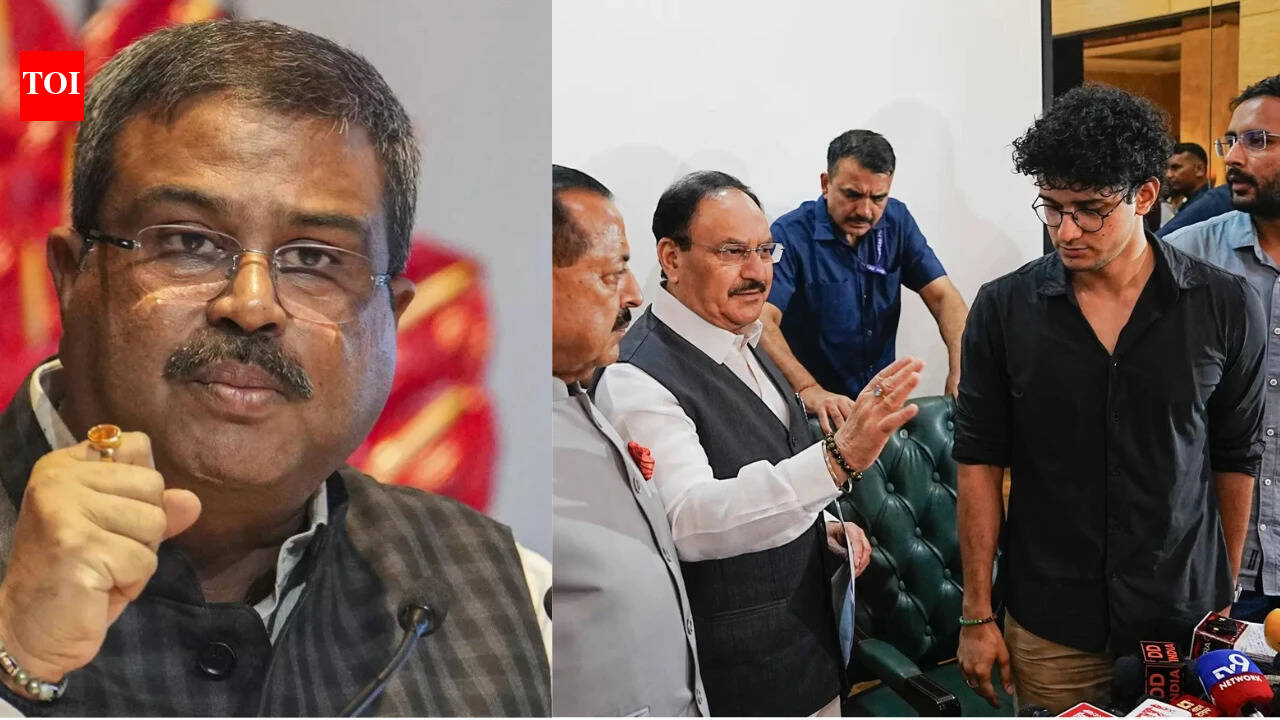
Student organizations and activists are protesting against alleged exam irregularities and police conduct in New Delhi. Meanwhile, supporters of Sonam Wangchuk are monitoring his health as he concludes a hunger strike.
Growing Unrest Over Examination Integrity and Governance
The current political landscape in India is witnessing a convergence of student-led activism and broader civil society dissent. Recent protests organized by the Naujawan Bharat Sabha (NBS) and the Disha Students’ Organisation highlight a deep-seated frustration regarding the integrity of national examinations. These demonstrations, which took place near the GVMC office, serve as a vocal critique of recent paper leaks and examination scams that have plagued the recruitment and academic testing landscape.
The Demand for Accountability and Institutional Reform
Central to these protests is the demand for the resignation of Union Education Minister Dharmendra Pradhan. Activists like Avinash of the Disha Students’ Organisation argue that the systemic failure to protect the sanctity of exams necessitates political accountability at the highest level. Furthermore, the call by NBS member Sujan for the abolition of the National Testing Agency (NTA) reflects a growing lack of public trust in the current administrative apparatus designed to oversee high-stakes testing for millions of Indian students.
Civil Society Solidarity and Police Conduct
The protests have expanded beyond local grievances to encompass solidarity with demonstrators in New Delhi. The condemnation of the Delhi Police’s actions at Jantar Mantar underscores a critical tension between the right to protest and state-enforced security measures. CJP founder Abhijeet Dipke, in a dialogue with NDTV’s Shiv Aroor, has further amplified these concerns by inviting Minister Pradhan to engage directly with the protesters at Jantar Mantar, suggesting that the government must address the grievances of the youth through open dialogue rather than suppression.
The Intersection of Activism and Hunger Strikes
Parallel to the student movement, the nation is observing the health and political status of climate activist Sonam Wangchuk. As his brother, Dorjey, noted to NDTV, the conclusion of Wangchuk’s fast—initially slated for July 20—has been a subject of significant concern among his supporters. This period of waiting and monitoring highlights the broader pattern of using non-violent, personal sacrifice to draw national attention to systemic issues, whether they pertain to regional autonomy or national educational standards.
Future Trends and Political Implications
The persistence of these movements suggests that the government faces a significant challenge in restoring public confidence in its institutions. As student organizations continue to mobilize and activists like Wangchuk maintain public pressure, the political cost of ignoring these demands may rise. If the administration fails to provide tangible reforms regarding the NTA or address the allegations of police misconduct, it is likely that these disparate groups will continue to find common cause, potentially leading to a more unified and protracted national agitation.
Multiple Citing Sources