'Dharmendra Pradhan's Resignation Not On Cards, Easiest Decision To Make': Sources
Source Entity
NDTV News Search Records Found 1000
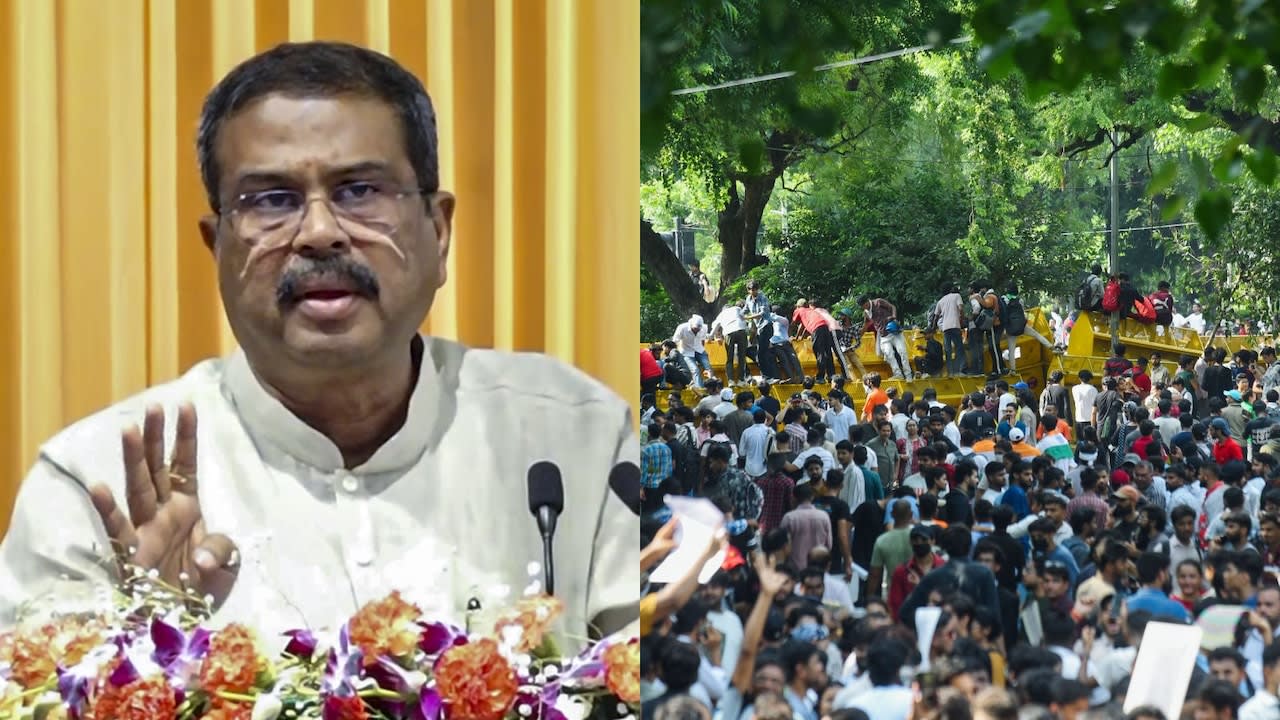
Student organizations and activists are protesting against alleged paper leaks and NTA mismanagement. Simultaneously, activist Sonam Wangchuk has been engaged in a hunger strike, highlighting growing civil unrest and demands for government accountability.
Growing Civil Unrest and Calls for Accountability
Recent developments in India have highlighted a surge in organized civil dissent, primarily centered around the integrity of national examination systems and the rights of activists. Student organizations, including the Naujawan Bharat Sabha (NBS) and the Disha Students’ Organisation, have staged widespread protests against alleged paper leaks and examination scams. These demonstrations, held near the GVMC office and in other parts of the country, reflect a deepening frustration with the National Testing Agency (NTA) and the perceived lack of transparency in academic assessment.
The Demand for Ministerial Responsibility
The protests have evolved from localized grievances into a broader movement demanding systemic change. Activists, such as Disha Students’ Organisation member Avinash, have explicitly called for the resignation of Union Education Minister Dharmendra Pradhan. This demand underscores a critical turning point where student groups are no longer just seeking procedural adjustments but are holding high-ranking political officials accountable for the administrative failures of the institutions under their purview.
Solidarity and the Role of Activism
The movement has gained traction through inter-organizational solidarity. CJP founder Abhijeet Dipke has publicly invited Minister Pradhan to Jantar Mantar, signaling an attempt to create a direct dialogue between the government and the protesting youth. This invitation serves as a strategic move to bring the administration face-to-face with the demonstrators, thereby legitimizing the students' concerns and pressuring the government to address the allegations of police brutality used against protesters in New Delhi.
The NTA and Structural Reform
Central to these protests is the demand for the abolition or radical restructuring of the National Testing Agency. Naujawan Bharat Sabha member Sujan has articulated that the movement will persist until accountability is established. The recurring nature of these paper leak allegations suggests a structural vulnerability in the current testing framework, which has eroded public trust. The student organizations' insistence on reform indicates that they view the NTA not just as a technical body, but as a political entity requiring oversight.
Parallel Movements and Civil Resilience
In addition to the educational protests, the ongoing activism of Sonam Wangchuk serves as a parallel narrative of civil resilience. His recent hunger strike, which his brother Dorjey confirmed was planned to conclude on July 20, highlights a distinct but related struggle for public attention and government recognition of specific regional and rights-based issues. Both the student-led demonstrations and Wangchuk’s fast signify a period of heightened civic engagement where individuals and groups are utilizing non-violent protest to challenge policy decisions.
Future Implications and Outlook
The trajectory of these movements suggests that unless the government addresses the core issues of examination integrity and police conduct, civil unrest is likely to intensify. The convergence of student activism with the advocacy of prominent public figures creates a multifaceted challenge for the ruling administration. Moving forward, the government's response—whether through legislative reform, dialogue, or continued suppression—will define the political climate and the future of educational governance in India.
Multiple Citing Sources
Verification Required?