'We withdraw agitation': CJP asks protesters to go home after assurances from Centre
Source Entity
TOI NEWS DESK
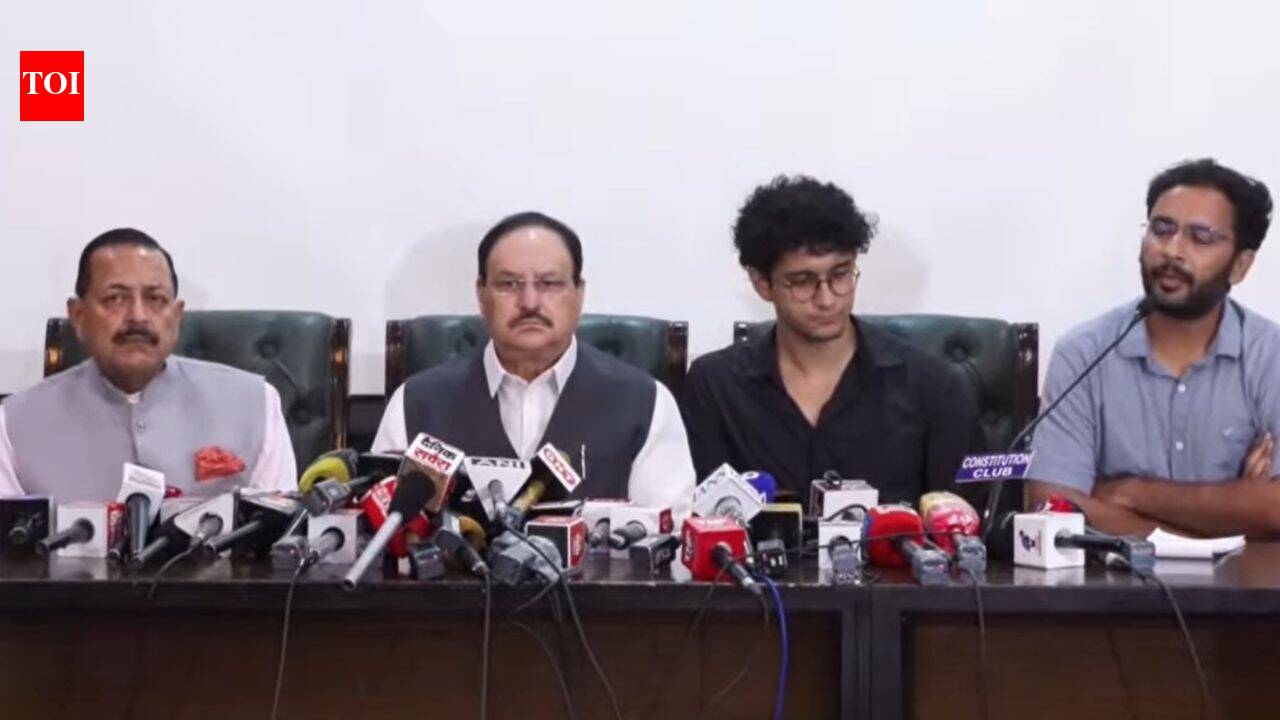
Student organizations and activists are protesting nationwide against alleged examination irregularities and the NTA's handling of paper leaks. Simultaneously, civil society figures are pressuring the Education Ministry while monitoring ongoing protests like Sonam Wangchuk's hunger strike.
The Growing Crisis of Academic Integrity and Accountability
Recent developments across India indicate a burgeoning wave of student-led unrest centered on the integrity of national examination processes. The core of this discontent lies in allegations of systemic paper leaks and examination scams, which have sparked protests by groups such as the Naujawan Bharat Sabha (NBS) and the Disha Students’ Organisation. These movements are not isolated; they represent a broader demand for institutional accountability and the potential dissolution of the National Testing Agency (NTA), which currently oversees major entrance examinations.
The Demand for Ministerial Accountability
The protests have taken a sharp political turn with explicit calls for the resignation of Union Education Minister Dharmendra Pradhan. Activists, including CJP founder Abhijeet Dipke, have publicly challenged the Minister to engage directly with the demonstrators at Jantar Mantar. This strategy of public confrontation highlights a significant breakdown in trust between the student body and the Ministry of Education, suggesting that bureaucratic responses are no longer sufficient to quell public anger.
Solidarity and the National Sentiment
Demonstrations occurring in cities like Visakhapatnam, near the GVMC office, demonstrate that the agitation is not confined to the national capital. By staging protests in solidarity with those at Jantar Mantar, these student organizations are amplifying their narrative, framing the Delhi Police’s actions against demonstrators as an assault on the democratic right to dissent. This geographical spread suggests that the movement has achieved a level of national coordination that poses a significant challenge to the current administrative status quo.
The Intersection of Activism and Policy Reform
The discourse surrounding these protests is increasingly focused on the structural failures of the NTA. Demands for the agency’s abolition reflect a deep-seated belief that the current examination framework is fundamentally compromised. As activists like Avinash and Sujan emphasize, the movement is prepared for a sustained campaign, indicating that the pressure on the government will likely intensify rather than dissipate in the coming weeks.
Broader Implications and Future Trends
Beyond the immediate issue of examination leaks, these events are inextricably linked to a wider climate of activism in India. The mention of Sonam Wangchuk’s ongoing fast, as noted by his brother Dorjey, underscores a period of high-stakes civil disobedience. Whether through environmental advocacy or educational reform, these disparate movements are coalescing into a singular narrative of citizens demanding greater transparency and ethical governance from federal institutions.
Conclusion
The ongoing protests represent a critical juncture for the Ministry of Education. As the demand for accountability moves from the streets of Delhi to a nationwide stage, the government faces the dual challenge of reforming the NTA while managing the political fallout of alleged administrative negligence. The insistence on the Minister's presence at protest sites suggests that the next phase of this conflict will likely be defined by a battle for public optics and institutional legitimacy.
Multiple Citing Sources