‘Keep agitation Indian’: RSS leader’s ‘advice’ to Sonam Wangchuk
Source Entity
Arun Sharma
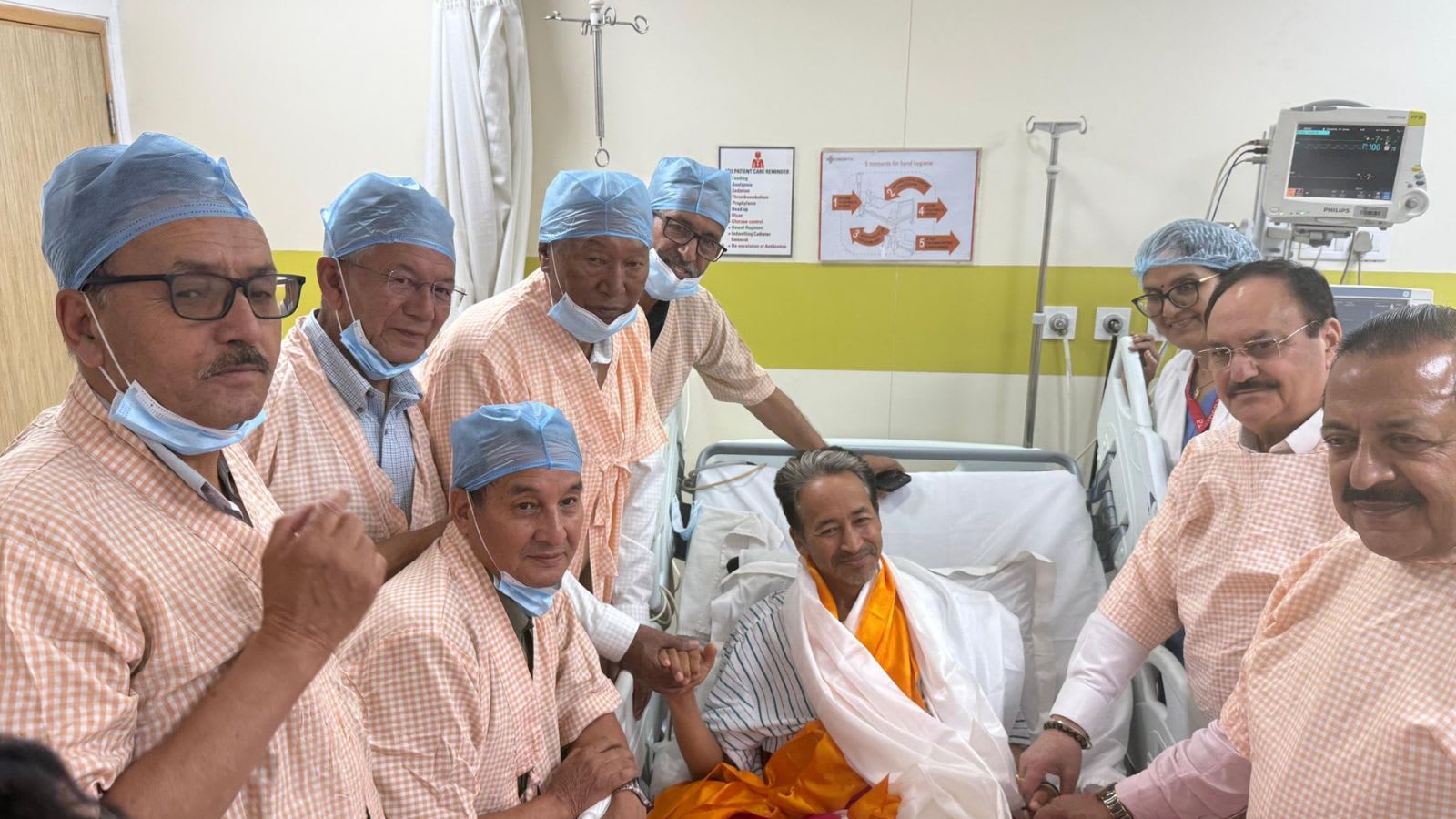
Student organizations and activists are protesting against alleged exam irregularities and police actions in New Delhi. Meanwhile, Sonam Wangchuk's brother shared updates regarding the activist's ongoing fast for regional rights.
Growing Tensions Over National Examination Integrity
The landscape of Indian student activism has been recently dominated by widespread outrage concerning alleged paper leaks and systemic failures within the National Testing Agency (NTA). Protests have moved beyond the national capital, with groups like the Naujawan Bharat Sabha (NBS) and the Disha Students’ Organisation staging demonstrations in various regions, including near the GVMC office. These protesters are not only highlighting the technical failures of examination processes but are also signaling a deeper crisis of confidence in educational governance.
Demands for Accountability and Ministerial Resignation
The core of the student movement is centered on the demand for immediate accountability. Activists, including members of the Disha Students’ Organisation, have explicitly called for the resignation of Union Education Minister Dharmendra Pradhan. This escalation reflects a perception among the youth that the current administrative mechanisms are insufficient to address the scale of the alleged examination scams. The call for the abolition of the NTA suggests that protesters believe the agency has fundamentally failed in its mandate to conduct fair and transparent testing.
The Role of Civil Society and Media
The involvement of figures like CJP founder Abhijeet Dipke, who has engaged with major media outlets like NDTV to discuss the plight of protesters, underscores the bridging of student movements with broader civil society activism. By inviting the Education Minister to visit sites like Jantar Mantar, activists are attempting to force a direct confrontation between the government and those affected by the alleged irregularities. This strategy is designed to amplify the visibility of the struggle and prevent the issues from being sidelined by bureaucratic delays.
Police Action and the Right to Protest
A significant driver of the current unrest is the reaction of law enforcement to student demonstrations in New Delhi. The condemnation of what protesters describe as an 'assault' by the Delhi Police on demonstrators at Jantar Mantar has galvanized support across different student bodies. This perception of heavy-handedness has transformed the protests from a singular issue about exam integrity into a broader defense of democratic rights, including the freedom to assemble and voice grievances against the state.
Parallel Movements and Regional Solidarity
While the student protests focus on national testing, other movements continue to run in parallel, reflecting a broader climate of dissent. The situation involving activist Sonam Wangchuk, as highlighted by his brother Dorjey’s recent comments to the media, illustrates a separate but concurrent strain of activism. Although the causes differ, the underlying theme of waiting for government responsiveness—whether regarding the NTA or regional rights—highlights a recurring pattern of protracted fasts and public demonstrations becoming the primary tools for citizens to seek attention from the central government.
Future Outlook and Conclusion
As these movements gain momentum, the pressure on the Union government to provide tangible reforms to the NTA will likely increase. The persistence shown by student organizations, combined with the continued involvement of public figures, suggests that the agitation will not dissipate until the government offers a substantive response. Moving forward, the effectiveness of these protests will depend on whether the government chooses to engage in dialogue or continues to rely on administrative silence, which could potentially lead to further polarization and intensified civil unrest.
Multiple Citing Sources