Suboor Usmani's collection of vintage cinema posters traces Bollywood's journey from 1930s to now
Source Entity
Latest News: Todays Latest News Headlines from India & World | Hindustan Times | Hindustan Times
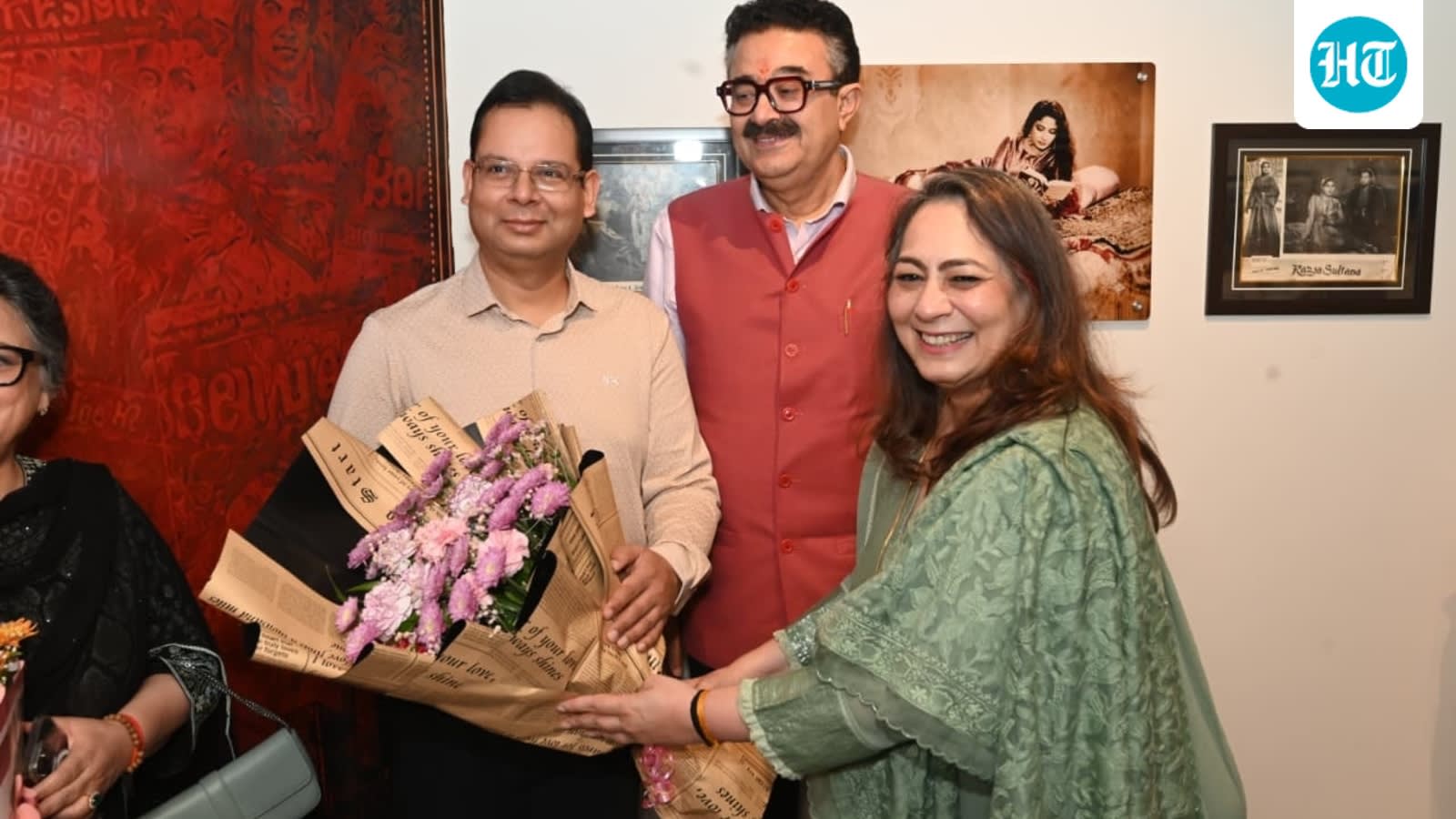
Indian Revenue Services officer Suboor Usmani is showcasing a rare collection of vintage Bollywood posters at the 'Bioscope' exhibition in Lucknow. The collection spans from the 1930s to the present, highlighting the evolution of Indian cinema marketing and historical film trivia.
The Art of Archiving: Preserving Bollywood’s Visual Heritage
Indian Revenue Services (IRS) officer Suboor Usmani has curated a remarkable window into the past with his exhibition, Bioscope: Caravan Guzar Gaya, currently held at Lucknow’s Kokoro Art Gallery. This collection is not merely an assembly of paper advertisements; it is a chronological archive that traces the aesthetic and cultural evolution of Indian cinema from the late 1930s to the contemporary digital era. By preserving these artifacts, Usmani provides a tactile connection to an era where hand-painted illustrations were the primary heartbeat of film promotion.
A Journey Through Cinematic Milestones
The exhibition features seminal works that defined the trajectory of Indian film history. Among the treasures are posters from Pukar (1939) and the historically significant Ram Rajya (1943). The inclusion of Ram Rajya is particularly noteworthy, as it remains the only film ever viewed by Mahatma Gandhi. Furthermore, the collection highlights the transition of stars and directors, featuring rare hand-painted posters for classics like Aan (1952) and the cinematic magnum opus Mughal-e-Azam (1960). These pieces serve as a testament to the artistry of Indian poster painters whose work predates the standardized digital marketing strategies of today.
The Intersection of Trivia and History
Suboor Usmani’s background as a quizmaster—notably winning Siddharth Basu’s Mastermind India in 2002—adds a layer of intellectual depth to the exhibition. Each poster is accompanied by meticulously researched trivia, transforming the gallery into an educational experience. For instance, the collection includes a poster for Mrinal Sen’s Bhuwan Shom (1969), documenting Amitabh Bachchan’s first voiceover credit, a detail that predates his acting debut in Saat Hindustani. This intersection of personal passion and administrative dedication underscores the importance of individual efforts in preserving national cultural heritage.
The Evolution of Film Promotion
The shift from the artisanal, hand-painted posters of the mid-20th century to the sleek, digitally-rendered imagery of modern films like Dhurandhar reflects broader changes in the Indian entertainment industry. In the pre-digital age, posters were vital artistic tools that relied on the painter's ability to capture the essence of a film's narrative. Today, while digital efficiency has taken over, these vintage relics serve as a reminder of the craftsmanship that once characterized the industry’s promotional landscape.
Future Implications for Archival Preservation
Usmani’s initiative highlights a critical need for formalizing the preservation of Indian film ephemera. As many of these posters were originally considered ephemeral items meant to be discarded after a film's run, the fact that they have survived is a stroke of luck and dedication. By showcasing these gems, Usmani is likely to inspire a new generation of collectors and historians to treat film memorabilia as legitimate cultural artifacts. This exhibition serves as a call to action for institutions to catalog and protect the visual history of Bollywood before these fragile remnants of the past are lost to time.
Conclusion
Bioscope: Caravan Guzar Gaya stands as a significant cultural event that bridges the gap between historical research and public appreciation. Through the dedicated lens of Suboor Usmani, the audience is invited to rediscover the visual language of a bygone era. It is a profound reminder that cinema is not just about the moving image on the screen, but also the rich, static art that once invited the world into the theater.
Verification Required?