'Suddhikaran another name for untouchability': Rahul targets BJP, RSS
Source Entity
ABHISHEK MISHRA
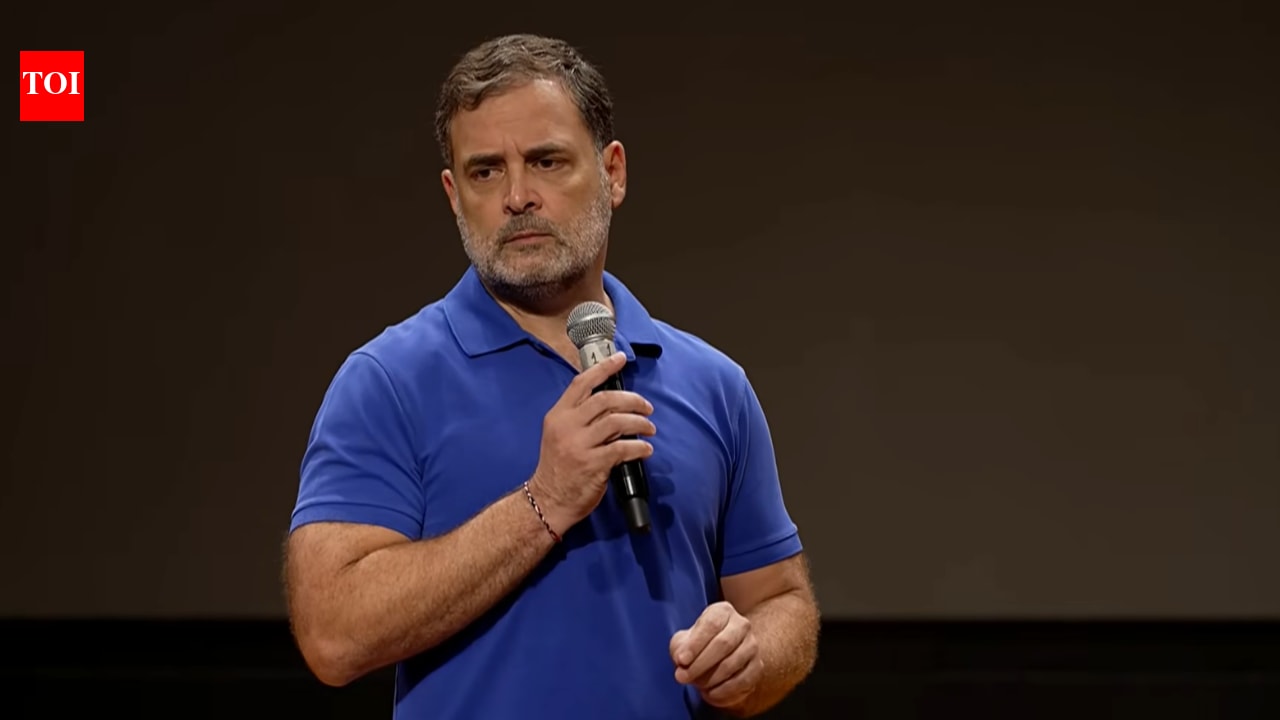
Rahul Gandhi has accused the BJP and RSS of practicing untouchability through 'suddhikaran' rituals following an event attended by Mallikarjun Kharge. The BJP has categorically denied these allegations, labeling them as a divisive political tactic.
The 'Suddhikaran' Controversy: A Clash of Narratives
The political landscape in India has been reignited by a heated exchange between the Indian National Congress and the Bharatiya Janata Party (BJP). At the center of the dispute is the term 'suddhikaran,' or purification, which Rahul Gandhi, the Leader of the Opposition in the Lok Sabha, has explicitly equated to the practice of untouchability. Gandhi alleged that such a ritual was performed following an event attended by Congress President Mallikarjun Kharge in Uttarakhand, framing the act as a discriminatory practice aimed at marginalized communities.
The Congress Perspective: Allegations of Discrimination
Rahul Gandhi’s assertion posits that the performance of a purification ritual after the presence of a Dalit leader represents a deep-seated bias within the ideological framework of the BJP and the Rashtriya Swayamsevak Sangh (RSS). By invoking the language of untouchability, Gandhi is attempting to highlight what he describes as systemic discrimination. This narrative is a continuation of the Congress party's ongoing efforts to position itself as the primary defender of social justice and the rights of the Scheduled Castes and Tribes against what they characterize as the exclusionary politics of the ruling party.
The BJP’s Rebuttal: Refuting Divisive Tactics
In response, the BJP has mounted a robust defense, with national spokesperson Sudhanshu Trivedi dismissing the claims as entirely baseless. The BJP maintains that there was no caste-based intent behind the event's proceedings and has accused the Congress party of manufacturing controversy to stir social discord. Trivedi argued that the opposition has run out of substantive policy critiques, leading them to rely on 'worn-out lines' designed to polarize the electorate along caste lines rather than engaging in constructive political discourse.
Broader Implications for Indian Politics
This exchange serves as a microcosm of the broader ideological battle currently defining Indian politics. The debate over symbolic rituals and their societal interpretations reflects the ongoing struggle to define the boundaries of secularism and social equality in a diverse nation. As political parties increasingly target specific demographic cohorts, the interpretation of religious or cultural practices often becomes a proxy for larger electoral strategies, making such controversies highly volatile.
Historical Context and Future Trends
Historically, the intersection of caste, ritual, and political legitimacy has been a recurring theme in Indian history. The use of language—specifically terms that evoke the history of social exclusion—is a powerful tool for political mobilization. Moving forward, it is highly likely that both the BJP and the Congress will continue to leverage such incidents to consolidate their respective voter bases. The intensity of this specific 'suddhikaran' row suggests that as the political climate grows more competitive, the scrutiny of cultural symbols will only increase, potentially leading to further polarization as both sides seek to frame the other as fundamentally misaligned with the values of the Indian Constitution.
Conclusion
The dispute over the 'suddhikaran' ritual highlights the enduring tension between different political visions for India. While the Congress frames the incident as a manifestation of historical injustices, the BJP views it as a cynical attempt to fracture society for political gain. Ultimately, this controversy underscores the deep-seated sensitivity surrounding caste relations, a topic that remains a pivotal and contentious element of the national political discourse.