From trains to stardom: Blind singer Suneel Lodhi's journey to Hanuman Ansh
Source Entity
PRIYA SRIVASTAVA
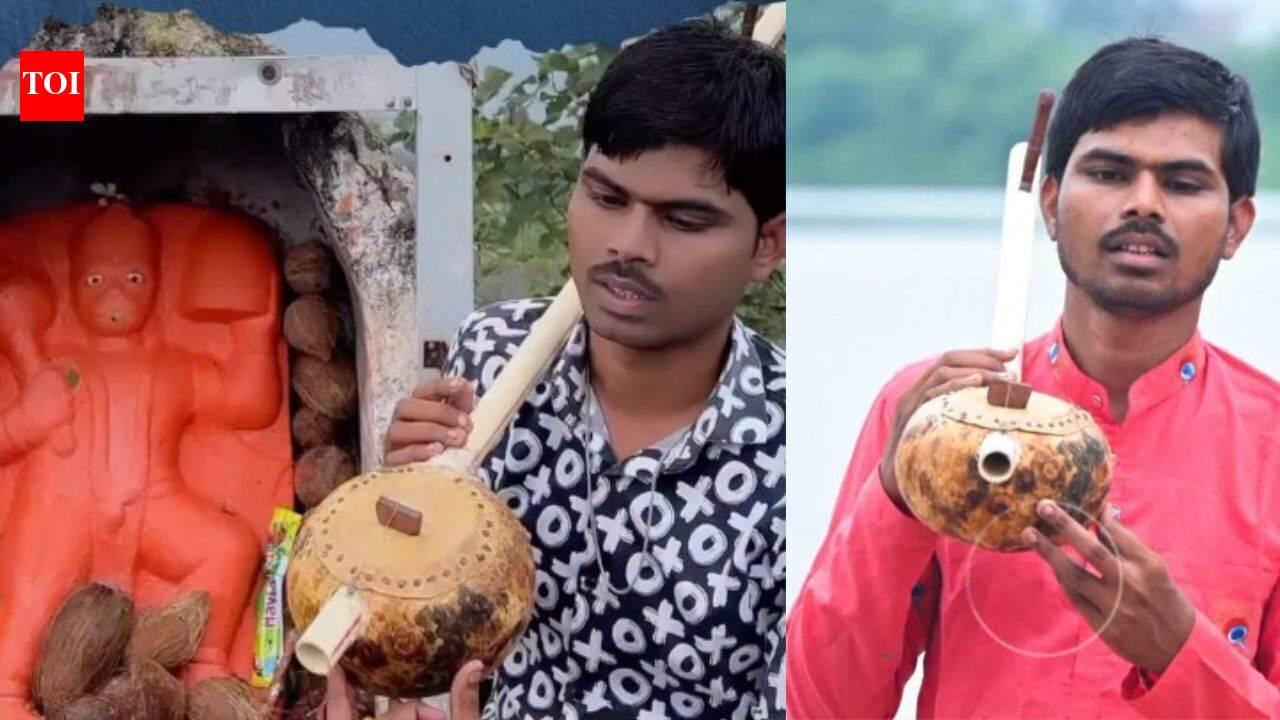
Visually impaired folk singer Suneel Lodhi has risen from performing on local trains to national fame after his voice was featured in the film 'Hanuman Ansh'. His journey from Bundelkhand to recognition by the Madhya Pradesh Chief Minister highlights a powerful story of resilience and raw talent.
The Resonant Journey of Suneel Lodhi: From Bundelkhand to the Silver Screen
The story of Suneel Lodhi is a testament to the transformative power of raw, unrefined talent. Hailing from the Bundelkhand region, Lodhi spent years navigating the challenges of being visually impaired while honing his craft on the most public of stages: village streets and local trains. Without the benefit of formal training or prestigious music academies, he cultivated a unique vocal style that resonates with deep emotional sincerity, eventually catching the attention of those who recognized a voice that speaks directly to the soul.
The Breakthrough: 'Hanuman Ansh'
Lodhi’s trajectory shifted permanently when his rendition of the bhajan "Maine Tere Hi Bharose" was integrated into the film Hanuman Ansh. This inclusion served as the catalyst for his transition from a local folk performer to a nationally recognized figure. By leveraging the reach of digital platforms and the film industry, Lodhi moved beyond the confines of his immediate geography, proving that digital democratization of content can provide a launchpad for artists who have traditionally been marginalized by the mainstream music industry.
Resilience and Unwavering Faith
Central to Lodhi’s narrative is the interplay between his lack of sight and his unwavering faith. His journey is not merely one of musical success, but of personal endurance. His idolization of legends like Lata Mangeshkar, despite his lack of formal schooling, underscores a self-taught mastery often found in folk traditions. This resilience has become a core component of his public persona, turning him into a symbol of hope for others facing similar physical and socioeconomic barriers.
Official Recognition and Broader Implications
The significance of Lodhi’s rise is further cemented by the official recognition he received from the Chief Minister of Madhya Pradesh. By hosting Lodhi at the Chief Minister’s residence, the state has highlighted the importance of indigenous folk talent within the broader cultural landscape of India. This act of validation acts as a bridge between grassroots performers and the political establishment, signaling a growing appreciation for regional artists who preserve cultural heritage through devotional and folk music.
Future Trends in Folk Representation
Looking forward, Suneel Lodhi’s success suggests a shifting trend in the Indian entertainment industry: a move away from hyper-produced, studio-sanitized vocals toward authentic, soul-stirring performances. As digital platforms continue to dismantle traditional gatekeeping, we can expect to see more artists from rural backgrounds surfacing in mainstream media. Lodhi’s journey serves as a blueprint for how talent—when paired with the right opportunity—can overcome the most daunting obstacles to achieve lasting impact.