Elvis and Eminem rights holders are suing Suno
Source Entity
Terrence O’Brien
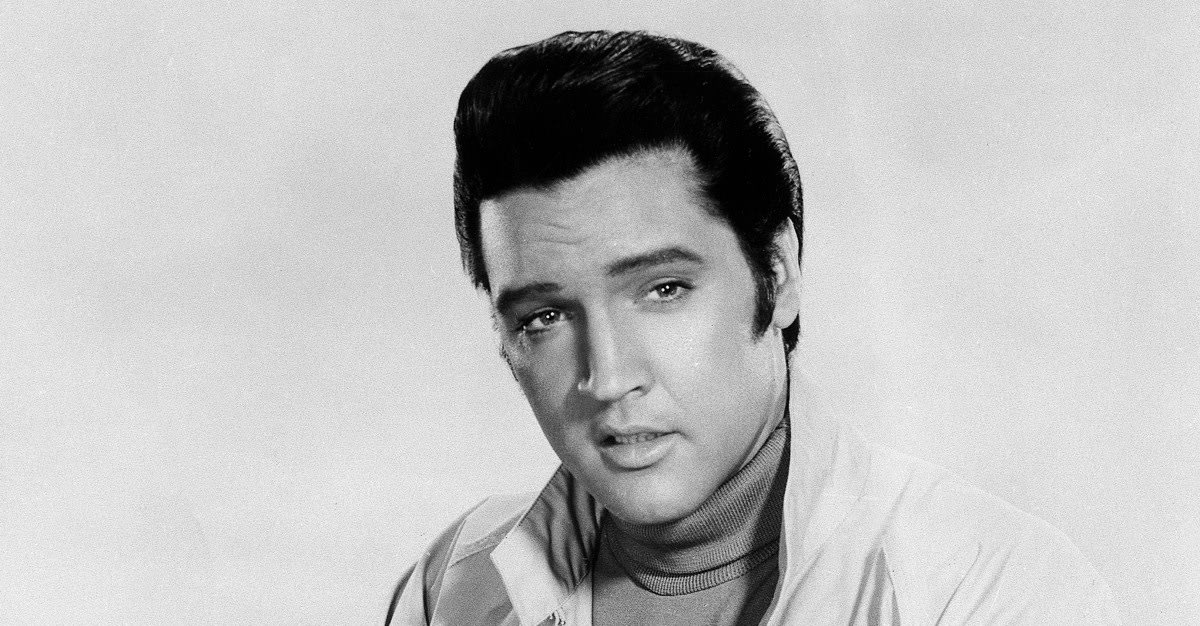
Suno is facing lawsuits from Elvis Presley and Eminem's rights holders over allegations of unauthorized AI-generated mimicry. The litigation highlights the growing legal battle between generative AI developers and the music industry regarding copyright and personality rights.
The Legal Collision Between Generative AI and Music Rights
The landscape of generative artificial intelligence is facing a significant legal reckoning as Suno, a prominent AI music generation platform, finds itself embroiled in high-stakes litigation. Rights holders representing the estate of Elvis Presley and the publishers of Eminem’s catalog have initiated lawsuits against the company. At the core of these complaints is the allegation that Suno’s technology is being used to illegally generate music and lyrics that mimic the distinct styles and vocal identities of these iconic artists.
The Role of State Legislation
A critical component of the litigation involving Elvis Presley’s rights holders is the invocation of Tennessee’s Ensuring Likeness Voice and Image Security (ELVIS) Act. This legislation, designed to protect performers in the age of synthetic media, explicitly prohibits AI companies from cloning a singer’s voice without authorization. By leveraging this state-specific law, the plaintiffs are testing the boundaries of how traditional personality rights translate into the digital era, setting a precedent for how other states might regulate generative AI models that rely on training data derived from human performances.
Mechanical Encoding and Intellectual Property
The legal arguments presented by the plaintiffs suggest a sophisticated understanding of how generative AI architectures function. Lawyers representing the Presley estate contend that Suno has "mechanically encoded itself with artists’ identities." This framing moves beyond simple copyright infringement of individual tracks and into the territory of systemic misuse of an artist’s persona. If courts accept the premise that an AI model’s training process constitutes the unauthorized encoding of an artist’s identity, it could force a radical shift in how AI companies curate their training datasets.
Broader Implications for the Music Industry
This dispute represents a broader tension between rapid technological innovation and the preservation of intellectual property rights. The music industry has long been protective of its assets, and the ability of AI to produce outputs that sound indistinguishable from human legends poses an existential threat to the commercial value of those catalogs. For companies like Suno, the challenge is to prove that their technology is transformative rather than derivative, a legal standard that has historically been difficult to maintain in the face of direct mimicry claims.
Future Trends in AI Regulation
As these lawsuits progress, they are likely to serve as a bellwether for the future of the generative AI sector. We can expect to see an increase in litigation targeting AI developers that fail to secure proper licensing agreements for their training data. Furthermore, the outcome of the Suno cases may influence federal legislation, potentially leading to a national framework that mirrors the protections found in the Tennessee ELVIS Act. The industry is rapidly moving toward a future where the legality of an AI model is determined as much by its legal compliance as by its creative output.
Conclusion
The confrontation between Suno and the rights holders of Elvis Presley and Eminem underscores the high stakes of the AI revolution. By challenging the mechanical appropriation of vocal identities and stylistic signatures, these lawsuits are forcing a necessary dialogue about the ethical and legal limits of synthetic content. As the judiciary begins to weigh in on these complex matters, the music and tech industries will remain in a state of flux, awaiting a definitive ruling that will shape the creative economy for years to come.