Supreme Court acquits man after 22 years in jail for wrongful conviction
Source Entity
AMIT ANAND CHOUDHARY
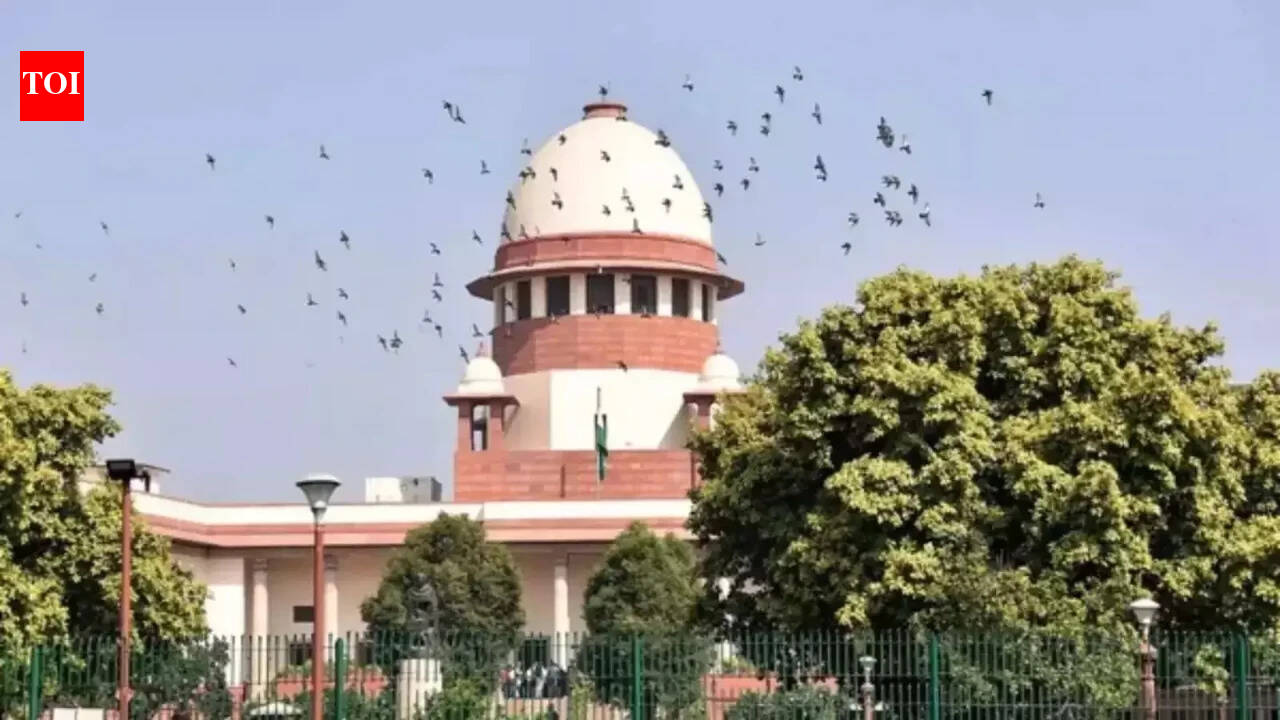
The Supreme Court of India has acquitted a man who spent 22 years in prison due to judicial failure and systemic negligence. This landmark ruling highlights the devastating impact of flawed evidence analysis and the denial of timely appellate justice for marginalized litigants.
A Failure of Justice: The Supreme Court's Landmark Acquittal
In a harrowing indictment of the Indian judicial system, the Supreme Court has finally ordered the acquittal of a man who endured twenty-two years of wrongful imprisonment. The case, originating from a trial court in Odisha, serves as a grim reminder of how procedural lapses and the lack of judicial oversight can strip an individual of two decades of their life. The man’s ordeal was not merely a product of an initial wrongful conviction but was significantly exacerbated by the apathy of the appellate system.
The Anatomy of a Judicial Failure
The root of this miscarriage of justice lies in a trial court’s fundamental failure to conduct a rigorous analysis of the evidence presented. This initial oversight set the stage for a cascading failure, where the judicial machinery prioritized technicalities over the pursuit of truth. By failing to scrutinize the foundational evidence, the lower court effectively condemned an innocent individual, setting off a chain reaction that would eventually span over two decades of incarceration.
Appellate Apathy and the Burden of Technicality
The situation worsened significantly when the case reached the Odisha High Court. Rather than serving as a safeguard against the errors of the trial court, the High Court refused to hear the man’s appeal on technical grounds. By dismissing the plea, the High Court effectively added ten additional years to his sentence, transforming a judicial error into a systemic violation of human rights. This 'mute spectator' approach by the appellate court highlights a dangerous trend where procedural adherence is weaponized against the vulnerable.
The Intersection of Poverty and Justice
The Supreme Court’s intervention underscores a sobering reality: the Indian judicial system often poses insurmountable barriers for the underprivileged. The verdict explicitly addresses how marginalized communities face a frustratingly elusive path to justice. When an individual lacks the resources to navigate complex legal maneuvers, they are often left at the mercy of a system that favors technical compliance over the fundamental rights of the accused.
Broader Implications and Institutional Reform
This case is a clarion call for urgent institutional reform. It exposes the fragility of the 'innocent until proven guilty' doctrine when it encounters an indifferent bureaucracy. The Supreme Court’s decision is not just an acquittal; it is a critique of a legal culture that allows files to languish while lives are dismantled. Moving forward, the judiciary must prioritize the substantive review of evidence in criminal cases to prevent such catastrophic lapses from recurring.
Conclusion: A Heavy Price for Liberty
While the Supreme Court’s acquittal provides a belated sense of justice, it cannot restore the twenty-two years lost to the state’s failure. This case stands as a cautionary tale of the human cost of systemic negligence. It serves as a reminder that the health of a democracy is measured not by the complexity of its laws, but by its ability to protect the individual from the very institutions designed to serve them.