‘Many young lawyers detained’: Supreme Court Bar Association urges CJI to intervene
Source Entity
Richa Sahay
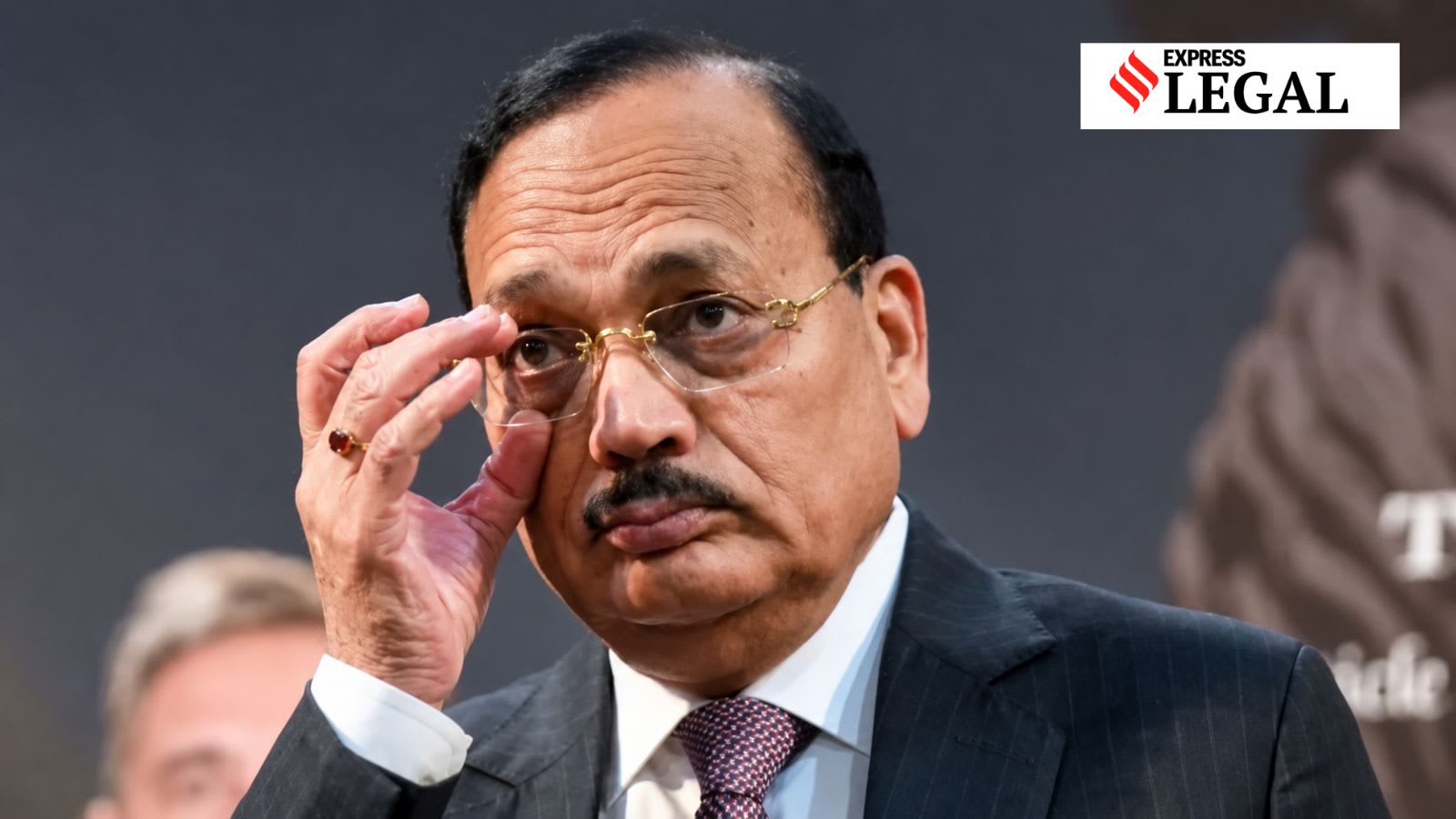
The Supreme Court Bar Association has urged Chief Justice Surya Kant to intervene following the detention of lawyers during protests near the Supreme Court on October 10, 2026. The association alleges the use of excessive force against peaceful protesters and is demanding immediate access to legal counsel for those detained.
Tensions Escalate: Legal Community Protests in New Delhi
On October 10, 2026, the legal landscape in New Delhi faced significant upheaval as protests erupted near the Supreme Court premises. According to reports from the All India Lawyers Union, led by Sanjay Kumar, numerous advocates were detained by Delhi Police during demonstrations centered around the ongoing Anti-CEC protests. The situation quickly drew the attention of the Supreme Court Bar Association (SCBA), which raised formal concerns regarding the handling of these protesters.
SCBA Intervention and Allegations of Force
The Supreme Court Bar Association has officially expressed grave concern, citing the reported use of "excessive force" against legal professionals. The association emphasized that the protests were intended to be peaceful, yet resulted in the detention of both senior and young lawyers. Of particular concern to the SCBA was the reported treatment of women lawyers during the police operation, prompting an urgent resolution to seek the intervention of Chief Justice of India (CJI) Surya Kant.
The Demand for Due Process and Legal Access
Central to the SCBA's request is the fundamental right to legal assistance for all citizens, including lawyers themselves. The association has formally urged the CJI to engage with the relevant authorities to ascertain the whereabouts and safety of the detained individuals. By demanding that those held without lawful grounds be released immediately, the SCBA is positioning this incident as a critical test of the rule of law and the protection of legal practitioners within the capital.
Political Polarization and the SIR Process
The protests appear to be deeply intertwined with broader national political debates, specifically regarding the "SIR process." The incident has sparked a partisan divide, with the BJP characterizing the unrest as an attempt to bypass parliamentary governance in favor of street-level agitation. This rhetorical conflict highlights the growing friction between institutional legislative procedures and public dissent, leaving the Supreme Court as the primary arbiter of these competing visions for the country.
Broader Implications for Judicial Independence
This event raises significant questions about the intersection of public protest and the sanctity of judicial spaces. As the Supreme Court remains the focal point of these tensions, the role of the CJI in mediating between law enforcement and the legal fraternity becomes increasingly complex. Future trends suggest that if these protests continue to escalate, the judiciary will face immense pressure to balance its role as a protector of fundamental rights with the state’s duty to maintain public order.
Conclusion: A Critical Juncture
The situation remains fluid as the legal community awaits a definitive response from the Chief Justice of India. The outcome of this intervention will likely set a precedent for how future protests involving professional bodies are managed in the vicinity of India's highest court. The SCBA’s insistence on transparency and legal rights underscores the high stakes involved in safeguarding the democratic norms that govern the relationship between the state and the legal profession.
Multiple Citing Sources