Supreme Court: NCLT completely hijacked by ministry
Source Entity
Latest News: Todays Latest News Headlines from India & World | Hindustan Times
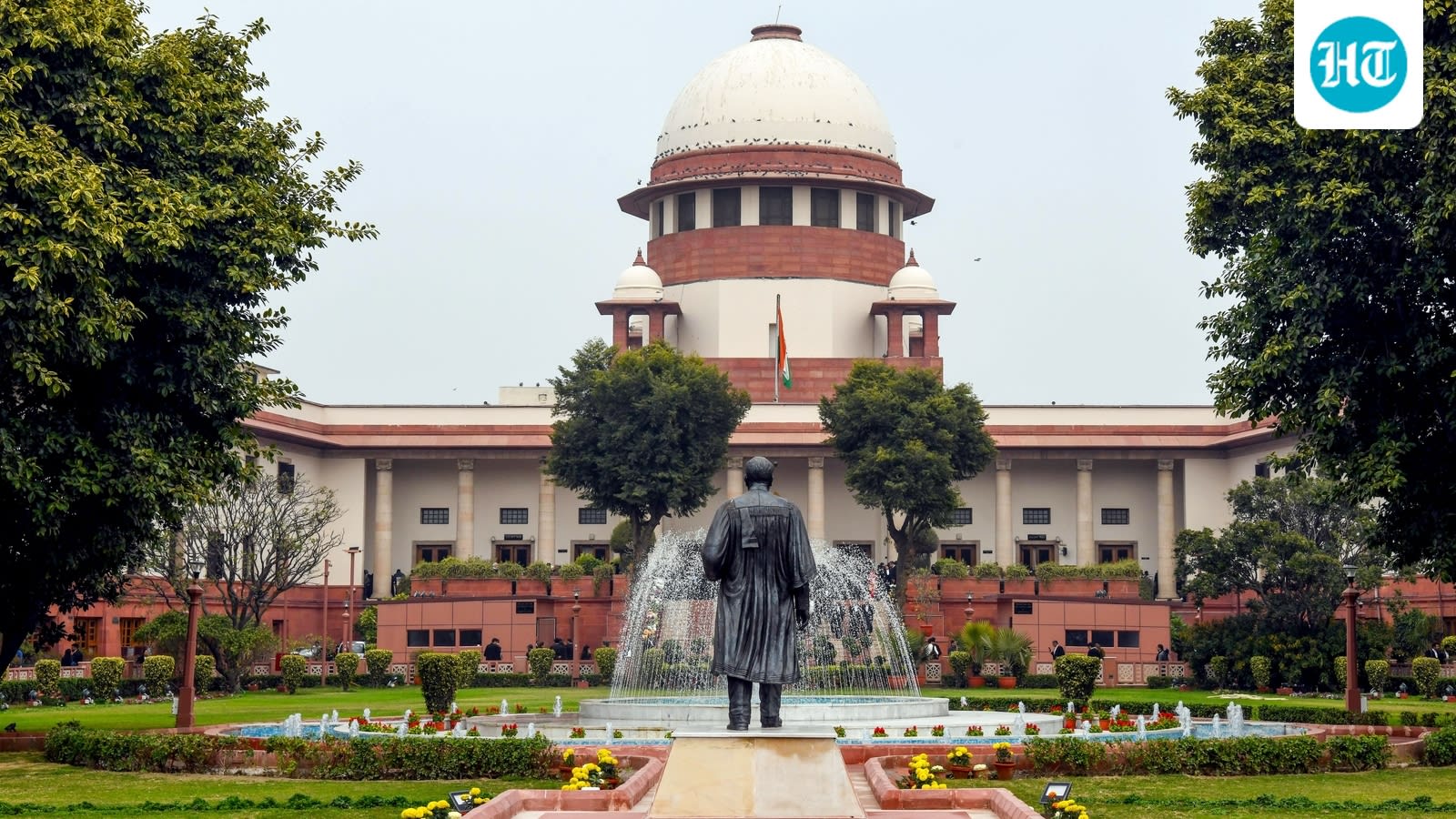
The Supreme Court has criticized the Ministry of Corporate Affairs for undermining the independence of the NCLT and NCLAT. The court mandated the submission of infrastructure and staffing proposals to address critical vacancies and administrative overreach.
Judicial Scrutiny of Administrative Overreach
The Supreme Court of India has issued a stinging rebuke to the Union Ministry of Corporate Affairs (MoCA), accusing the executive branch of having "completely hijacked" the administration of the National Company Law Tribunal (NCLT) and the National Company Law Appellate Tribunal (NCLAT). This judicial intervention highlights a growing tension between the executive's desire for administrative control and the fundamental necessity of maintaining the independence of quasi-judicial bodies. The bench, led by Chief Justice of India Surya Kant, emphasized that the current state of affairs is actively impinging upon the autonomy of these critical institutions.
The Crisis of Vacancies and Infrastructure
The scale of the administrative breakdown within the NCLT is profound. According to judicial observations, out of 320 sanctioned regular administrative posts, a staggering 253 positions remain vacant, with only 67 currently filled. Furthermore, the tribunal is grappling with significant shortages in its core adjudicatory capacity, as 16 judicial and technical member positions remain unfilled. This vacuum of personnel is compounded by poor infrastructure and a reliance on contractual hiring, which the court argues severely undermines the operational efficacy and institutional dignity of the tribunals.
Executive Control vs. Institutional Autonomy
A central point of contention in the Supreme Court’s proceedings is the MoCA's attempt to exercise a "complete grip" over the tribunal's functioning. The court underscored that the NCLT president must be empowered to administer the institution independently. By centralizing decision-making and personnel management within the ministry, the government has effectively stripped the NCLT leadership of the authority required to manage its own affairs, thereby creating a subservient relationship that contradicts the spirit of the Insolvency and Bankruptcy Code (IBC) and associated company law frameworks.
Proposed Path to Resolution
In response to these systemic failures, the Supreme Court has directed the presidents of the NCLT and NCLAT to submit comprehensive proposals detailing their infrastructure, staffing, and administrative requirements within a four-week window. The bench suggested that as an interim measure, the government should prioritize the deputation of employees to fill critical gaps. Looking toward a long-term solution, the court advocated for a formal recruitment process conducted through established constitutional bodies like the Union Public Service Commission (UPSC) or the Staff Selection Commission (SSC) to ensure transparency and meritocracy.
Broader Implications for Administrative Law
This case serves as a broader bellwether for the health of India's administrative tribunals. Tribunals were designed to provide specialized, efficient dispute resolution outside the traditional court system; however, when the executive branch dominates their staffing and administrative functions, the impartiality of these bodies is called into question. The Supreme Court's intervention serves as a necessary check, asserting that the independence of the judiciary—including quasi-judicial tribunals—is a non-negotiable pillar of the rule of law. Future trends will likely see increased judicial monitoring of tribunal appointments to prevent executive encroachment.
Conclusion
The Supreme Court's firm stance against the MoCA underscores the precarious balance between administrative oversight and judicial independence. By demanding a roadmap for staffing and infrastructure, the court is forcing a transition toward a more autonomous and functional tribunal system. The outcome of this directive will be a critical test of the ministry’s willingness to cede control and restore the institutional integrity of the NCLT and NCLAT.
Verification Required?