Supreme Court agrees to give ‘precedence’ hearing to plea against Delhi SIR
Source Entity
India Latest News: Top National Headlines Today & Breaking News | The Hindu
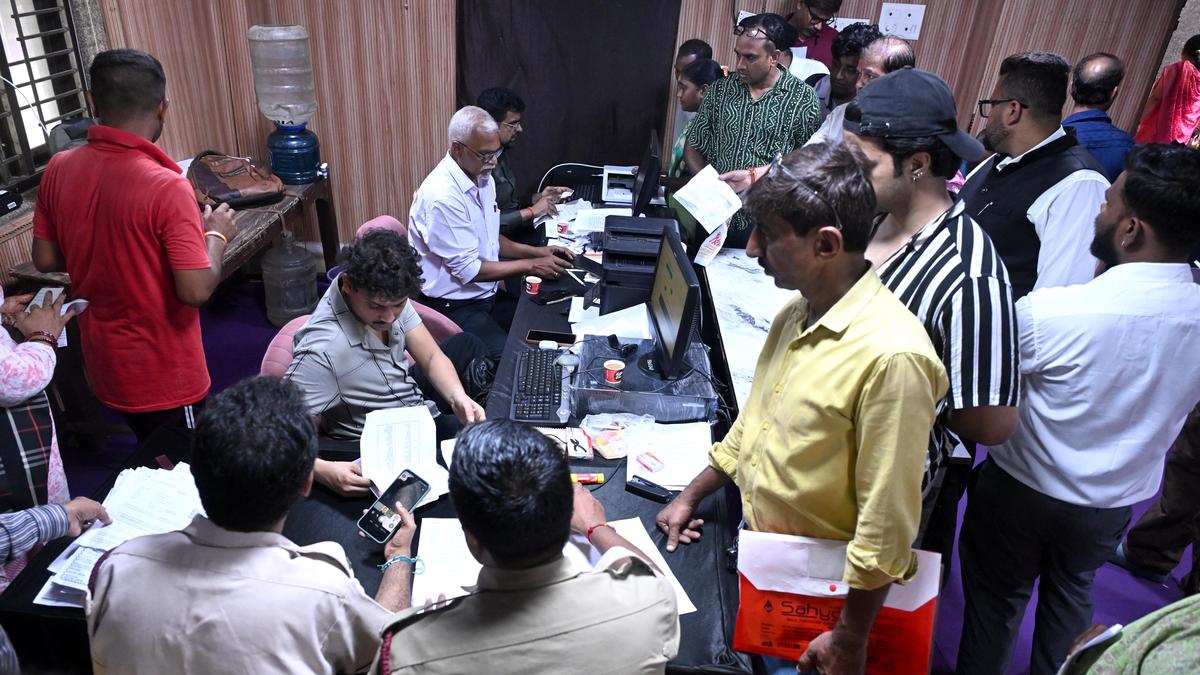
The Supreme Court has prioritized a petition challenging the removal of millions of voters from Delhi's electoral rolls during the Special Intensive Revision. Petitioners allege a lack of transparency in the Election Commission's process, specifically regarding the issuance of notices to 33 lakh voters.
Supreme Court to Review Delhi Electoral Roll Revisions
On September 17, 2026, the Supreme Court of India, led by a three-judge Bench under Chief Justice Surya Kant, took a significant step toward addressing concerns regarding the integrity of Delhi’s electoral process. By agreeing to give “precedence” to a writ petition filed by advocates Prashant Bhushan and Neha Rathi, the Court has signaled the urgency of investigating the Special Intensive Revision (SIR) of electoral rolls in the national capital.
Scale of the Electoral Roll Discrepancies
The core of the legal challenge lies in the massive scale of voter removal. According to the petition, 47 lakh individuals have already been removed from the draft electoral roll under reasons described by the petitioners as "nebulous." Furthermore, the Election Commission is currently in the process of issuing notices to an additional 33 lakh people, raising serious questions about the administrative impact and the potential disenfranchisement of a significant portion of Delhi’s electorate.
Transparency and Procedural Concerns
A primary grievance raised by the petitioners is the lack of transparency in how the Election Commission conducts these revisions. Advocate Prashant Bhushan highlighted that while existing rules mandate the disclosure of information regarding voter notices, electoral authorities have failed to provide the names of the individuals being targeted by these notices. This opacity prevents affected citizens from proactively addressing potential errors, thereby undermining the democratic principle of an accessible voter registry.
Logical Discrepancies and Mapping Issues
The Election Commission has cited "logical discrepancies" and "mapping" as the primary justifications for the ongoing review and issuance of notices. The petitioners argue that these technical justifications lack necessary clarity. When authorities remove voters based on alleged logical discrepancies in personal details without clear communication, it risks the arbitrary exclusion of legitimate voters, a concern that the Supreme Court now intends to scrutinize through this priority hearing.
Broader Implications for Democratic Integrity
This case highlights the delicate balance between maintaining clean electoral rolls—which is necessary to prevent fraud—and ensuring that the process does not become a tool for mass disenfranchisement. The involvement of the Supreme Court underscores the judiciary's role as a watchdog for electoral fairness. Future proceedings will likely focus on whether the Election Commission’s internal procedures for "logical mapping" align with constitutional mandates that protect the right to vote.
Conclusion and Future Outlook
The "precedence" granted by the Chief Justice suggests that the Court recognizes the potential for systemic failure in the current revision process. As the legal battle unfolds, the focus will remain on whether the Election Commission can justify the criteria used for the mass removal of voters and whether it can implement more transparent, accountable mechanisms for verifying electoral data. This decision serves as a critical check on administrative power within the electoral system.
Verification Required?