‘Turf fee’ for pickle ball, tennis tourneys on civic land
Source Entity
Latest News: Todays Latest News Headlines from India & World | Hindustan Times | Hindustan Times
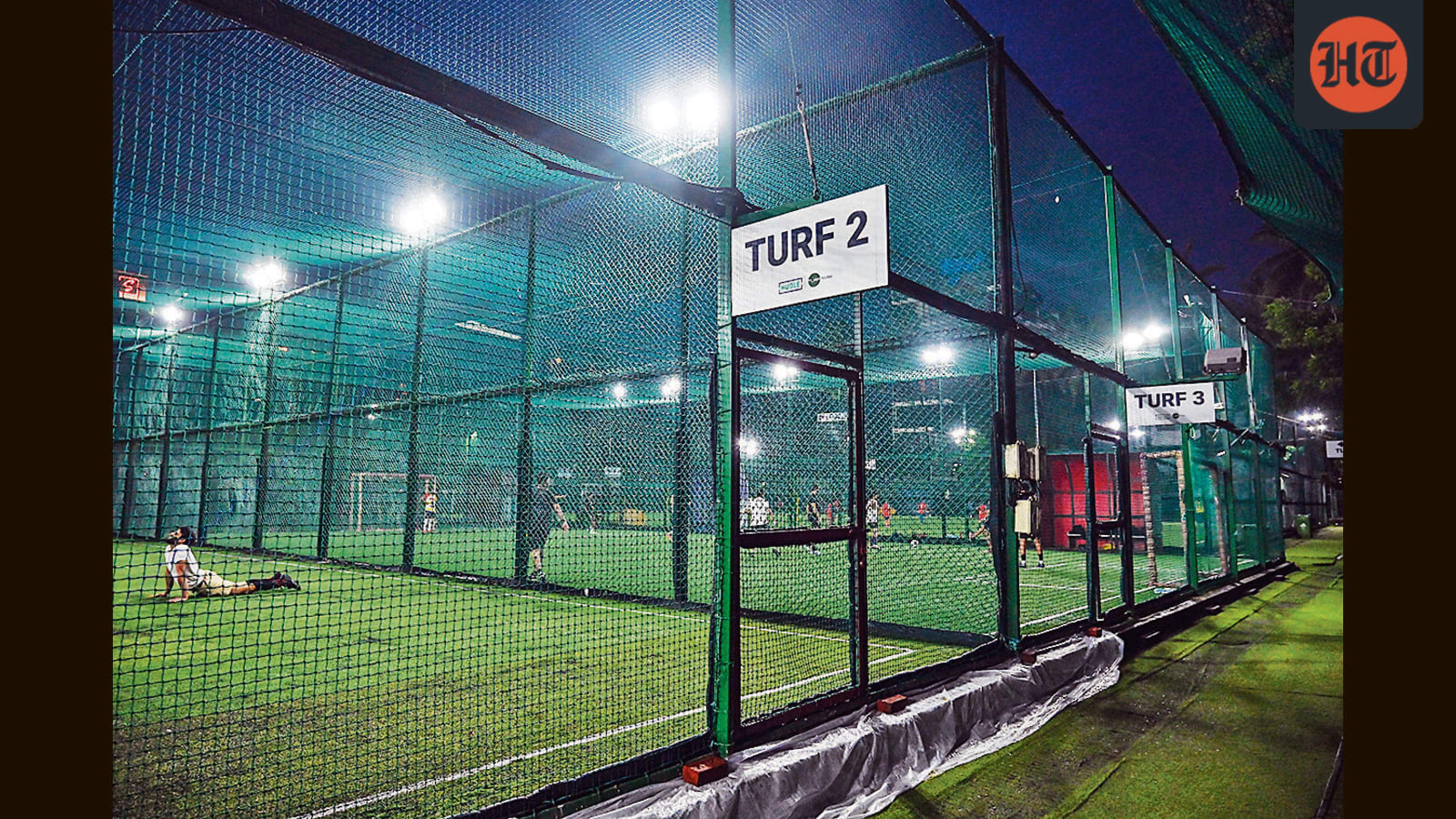
The BMC has introduced a new licensing fee for private parties operating sports facilities on civic land. This policy aims to regulate revenue generated from commercial activities like pickleball and tennis tournaments on leased plots.
New Licensing Policy for Civic Sports Grounds
On September 16, the Brihanmumbai Municipal Corporation (BMC) announced a significant shift in its management of civic-owned land. The new policy mandates that private parties currently leasing plots for sporting activities—such as tennis, cricket, and the increasingly popular pickleball—must now pay a formal licensing fee. This decision marks a departure from previous oversight, as the BMC seeks to formalize its involvement in the commercial operations occurring on its property.
Addressing the Revenue Gap
For years, private entities have been granted No-Objection Certificates (NOCs) to install artificial turf on leased civic plots, ostensibly to promote sports. However, civic sources have observed that these parties have been generating substantial revenue by hiring out these grounds for tournaments and hourly slots. The previous policy framework was largely silent on these commercial activities, often classifying such turf installations as temporary or semi-permanent, which allowed operators to bypass specific financial obligations to the municipal body.
Scope and Scale of the Initiative
With over 4,000 plots currently leased for sporting purposes across Mumbai, the scale of this policy change is substantial. By implementing a 'turf fee,' the BMC is effectively tapping into a lucrative revenue stream that has previously gone uncaptured. This move is designed to ensure that the municipal corporation receives a fair share of the profits generated from assets that technically belong to the public.
Regulatory Implications
This policy serves as a mechanism for the BMC to regain control over how public land is utilized. The shift from an unregulated environment to a structured licensing system suggests a growing need for accountability. By requiring a fee, the BMC is not only formalizing the relationship between private operators and the city but also creating a framework to monitor the intensity and nature of sports activities conducted on civic land.
Future Trends and Outlook
Looking ahead, this policy could lead to more stringent oversight of how civic land is used for commercial gain. As the popularity of sports like pickleball continues to grow, the demand for dedicated turf space will likely increase, making the BMC’s new fee structure a central component of its urban management strategy. This could pave the way for more standardized rental agreements and potentially higher quality control for sports facilities operating on municipal property.
Verification Required?