‘Judicial infra a constitutional duty not favour’, Rajasthan High Court rebukes state
Source Entity
Vineet Upadhyay
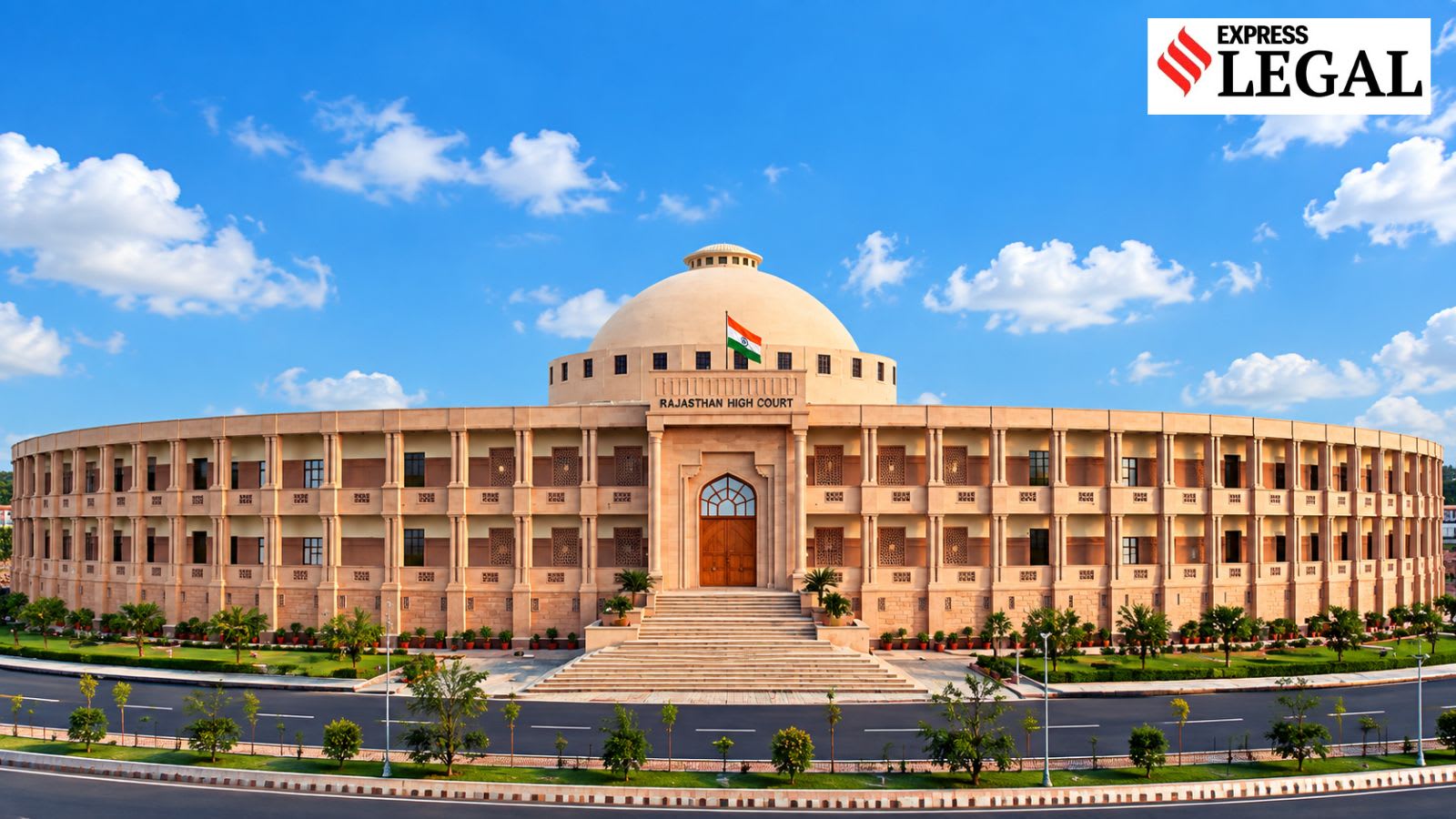
The Rajasthan High Court has asserted that providing judicial infrastructure is a constitutional mandate rather than a government favor. The court emphasized that the judiciary must not be treated as an ordinary department, citing the structural decay of the Jodhpur principal seat as a critical concern.
Judicial Autonomy and Infrastructure: A Constitutional Mandate
The Rajasthan High Court’s recent intervention serves as a critical reminder of the separation of powers within the Indian constitutional framework. By asserting that judicial infrastructure is not a matter of government 'favour,' the court has challenged the prevailing bureaucratic tendency to treat the judiciary as just another administrative department. This distinction is vital; the judiciary serves as the third pillar of democracy, and its ability to function relies heavily on the physical and administrative facilities provided by the state.
The Doctrine of Essential Sovereign Function
At the heart of this dispute is the court’s declaration that the administration of justice is an 'essential sovereign and constitutional function.' When the state fails to maintain court buildings, it effectively obstructs the constitutional right to access justice. By framing infrastructure as a duty rather than a discretionary expenditure, the High Court is signaling that the executive branch has a non-negotiable obligation to ensure that the physical environment of the courts is conducive to the rule of law.
Structural Decay in Jodhpur
The immediate catalyst for these remarks is the deteriorating state of the Rajasthan High Court’s principal seat in Jodhpur. Specifically, the structural integrity of the 'Central Dome'—a significant architectural feature standing 21 metres high—has become a point of urgent concern. The court’s decision to initiate suo motu proceedings on August 10 underscores the severity of the neglect. When a court is forced to prioritize its own structural safety, it highlights a systemic failure to respect the dignity and longevity of judicial institutions.
Administrative Negligence vs. Judicial Duty
Historically, the judiciary has often relied on the executive for budgetary allocations and facility maintenance, leading to potential conflicts of interest or institutional foot-dragging. The Rajasthan High Court’s rebuke acts as a corrective measure, asserting that the judiciary’s operational requirements should not be subject to the same red tape that hampers other government sectors. Treating the judiciary as an 'ordinary Government Department' ignores the unique, high-stakes nature of the work conducted within these walls.
Broader Implications and Future Trends
This development suggests a potential shift toward a more assertive judiciary regarding its administrative independence. If other High Courts follow suit, we may see increased litigation regarding the 'right to adequate infrastructure' as a subset of the right to a fair trial. Future trends indicate that courts will likely move toward more aggressive oversight of public works budgets, ensuring that judicial buildings are protected as national assets rather than neglected as aging government property.
Conclusion
The Rajasthan High Court’s stance is a foundational assertion of institutional independence. By linking the physical state of the Jodhpur seat to the broader constitutional duty of the state, the court has effectively placed the government on notice. Ensuring that the 'Central Dome' and the wider facility are maintained is not merely a matter of maintenance; it is a vital step in upholding the integrity of the judicial process itself.