Andhra government imposed ₹1,000-crore house tax burden on urban residents: CPI(M)
Source Entity
India Latest News: Top National Headlines Today & Breaking News | The Hindu
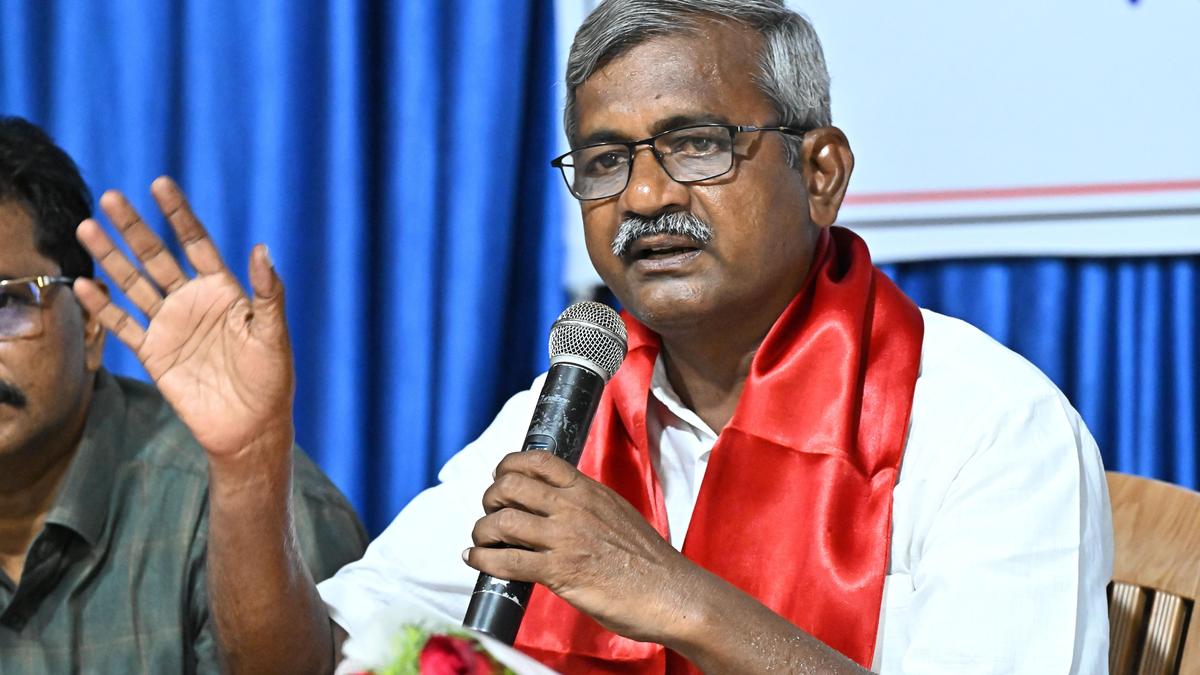
The CPI(M) has accused the Andhra Pradesh government of imposing a massive ₹1,000-crore tax burden on urban residents by continuing a capital value-based property tax system. The party claims this policy violates election promises and has led to a cumulative 131% tax hike over six years.
Analysis of the Property Tax Controversy in Andhra Pradesh
The Allegation of Fiscal Burden
CPI(M) State secretariat member Ch. Babu Rao has leveled serious allegations against the Andhra Pradesh government, claiming that urban residents are currently facing an additional tax burden of approximately ₹1,000 crore. The crux of the grievance lies in the state's continued adherence to a capital value-based property tax system, a mechanism originally implemented by the previous YSRCP administration. According to Mr. Babu Rao, the current coalition government has failed to address these concerns, effectively reneging on election-period promises to review and reform the existing taxation structure.
Mechanics of the Tax Increase
The primary concern raised by the CPI(M) leadership is the mathematical impact of the capital value-based model. By tying property taxes to market capital values rather than traditional rental values, the system has triggered an automatic, compounding increase of at least 15% annually. Over a six-year period, this calculation has resulted in a staggering cumulative hike of 131% for property owners. Furthermore, the party alleges that the current government has exacerbated this fiscal pressure by imposing an additional 30% increase within the current year alone.
Political Implications and Broken Promises
The political fallout from this tax structure is significant, as it touches upon the trust between the electorate and the governing coalition. The CPI(M), represented by Ch. Babu Rao and B. Satya Babu, asserts that the government's refusal to overhaul the system stands in direct contradiction to pre-election commitments. By maintaining a policy that many urban residents find punitive, the administration risks alienating its urban voter base, who are already grappling with the rising costs of living and inflationary pressures.
Broader Economic Context
Property taxation remains a contentious issue in urban governance across India, often representing a tug-of-war between the need for municipal revenue generation and the financial capacity of citizens. The shift to a capital value-based system is often touted by policy experts as a way to modernize urban infrastructure funding. However, as the CPI(M) points out, when such systems lack adequate caps or periodic reviews, they can lead to an unsustainable tax burden that disproportionately affects middle-class homeowners and small-scale property investors.
Future Trends and Outlook
Moving forward, the government faces a precarious situation. If the administration continues to ignore calls for a tax review, it may face increased civil unrest and organized protests led by opposition parties like the CPI(M). Future policy trends will likely depend on whether the state government decides to introduce relief measures, such as tax ceilings or exemptions, to mitigate the impact of the 131% cumulative increase. Failing to address these grievances could transform property taxation into a central issue in upcoming local and state-level political discourse.
Verification Required?