UGC rules on caste discrimination: Why BJP govt is ‘reconsidering’ its stand
Source Entity
Vikas Pathak
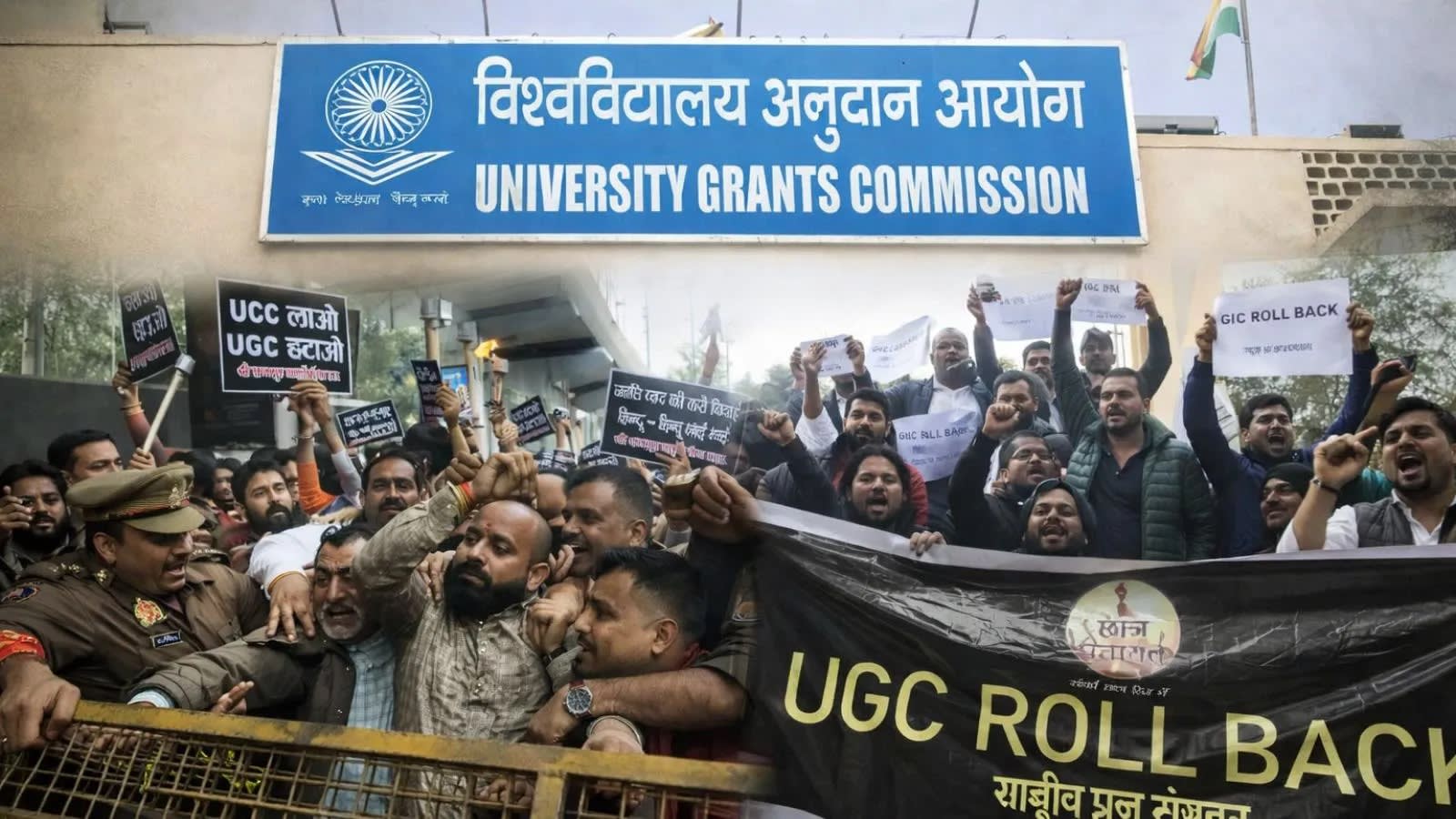
The Supreme Court is currently reviewing the CBSE's three-language policy and the UGC's equity regulations regarding caste discrimination. These legal proceedings highlight the government's delicate balancing act between electoral demographics and educational policy reform.
Legal Scrutiny of Education Policy
The Supreme Court of India has recently intervened in two significant areas of educational policy: the implementation of the CBSE’s three-language formula and the broader implications of UGC regulations concerning caste discrimination. These judicial inquiries reflect a growing tension between centralized policy directives and the practical, social, and linguistic complexities of the Indian education system.
The Three-Language Policy and Linguistic Identity
The Supreme Court has questioned the terminology used within the CBSE’s three-language policy, particularly the use of the term 'native.' Justice Joymalya Bagchi noted the colonial undertones of the word, suggesting 'indigenous' as a more appropriate alternative. Furthermore, the court has initiated a debate over whether English can be classified as an indigenous language within the Indian context, a question that carries profound implications for the National Education Policy (NEP) 2020 and how language is taught to the next generation.
Practical Challenges for Class VI Students
Beyond linguistic nomenclature, the Court has focused on the immediate welfare of students. By asking the CBSE to consider a one-year reprieve for Class VI students regarding the three-language mandate, the judiciary is highlighting a lack of adequate infrastructure and teaching staff. This move suggests that while policy objectives under the NEP 2020 are ambitious, the current ground reality may not yet support their full-scale implementation.
Navigating Caste Equity and Political Sensitivity
The BJP-led Centre’s decision to inform the Supreme Court that it is 'reconsidering' the UGC’s equity regulations on caste discrimination marks a critical juncture. The government’s move to pause and re-evaluate suggests a strategic effort to manage political fallout. There are reports of significant anxiety among upper-caste groups—a traditional support base for the party—regarding the potential for 'misuse' of these anti-discrimination measures.
The Demographic Balancing Act
This reconsideration is not merely a legal maneuver but a calculated political response. The government must perform a delicate balancing act; while it seeks to reassure its core upper-caste constituency, it must also remain cognizant of the massive demographic weight held by the Other Backward Classes (OBCs), Scheduled Castes (SCs), and Scheduled Tribes (STs). The electoral implications of alienating either bloc are significant, forcing the administration to tread cautiously as these regulations undergo judicial scrutiny.
Future Trends in Education Reform
Looking ahead, these developments suggest that the judiciary will continue to play a pivotal role in shaping the implementation of the NEP 2020. As the Supreme Court continues to examine the status of English and the practical feasibility of language policies, the government will likely be forced to adopt more flexible, phased implementation strategies. The intersection of legal mandates and social equity, particularly concerning caste-based regulations, will remain a highly sensitive area where the state must justify its regulatory framework against the backdrop of changing social dynamics.