Suspense over Odisha’s next police chief as Supreme Court halts UPSC selection meeting till August 18
Source Entity
Sujit Bisoyi
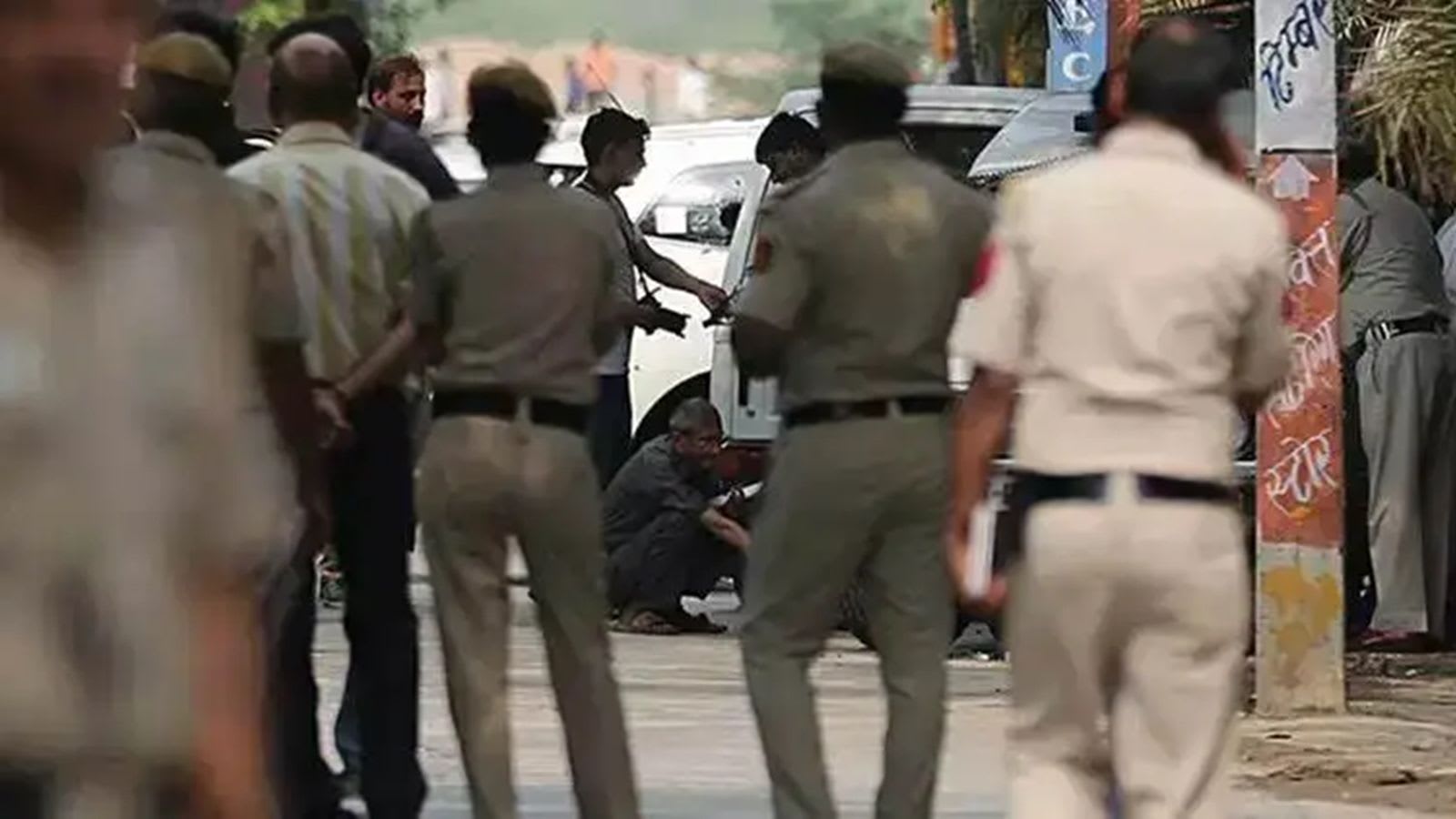
The Supreme Court has halted the UPSC's selection process for the next Odisha Director General of Police until August 18. This intervention follows a PIL challenging the state's selection criteria, with the court warning against any potential 'backdoor entry' in the appointment process.
Legal Intervention in Odisha's DGP Selection
The appointment of a Director General of Police (DGP) is a critical administrative function, ensuring the stability and integrity of state law enforcement. Recently, the selection process in Odisha hit a significant legal roadblock as the Supreme Court of India intervened to halt the Union Public Service Commission (UPSC) from finalizing a panel of candidates. This judicial pause, effective until August 18, underscores the tension between state administrative discretion and the established legal frameworks governing high-level police appointments.
The Core of the Legal Challenge
At the heart of this controversy is a Public Interest Litigation (PIL) that has raised serious concerns regarding the transparency and adherence to established norms in the selection process. The petitioner has challenged the state government’s attempt to expand the pool of eligible officers, suggesting that such modifications might circumvent the rigorous standards mandated by previous landmark court rulings. The Supreme Court, under a bench led by Justice Surya Kant, expressed a firm stance against any potential 'backdoor entry,' emphasizing that the integrity of the selection process is paramount.
Administrative Maneuvers Amidst Uncertainty
While the legal battle unfolds, the Odisha government has proceeded with the promotion of two 1994-batch Additional Director General (ADG)-rank officers, Sanjeeb Panda and Yeshwant Jethwa, to the rank of Director General of Police. These promotions highlight the state's ongoing efforts to maintain leadership continuity within the police hierarchy despite the uncertainty surrounding the permanent appointment of the state's police chief. The government's decision to promote these officers reflects a strategic move to manage senior-level administrative requirements while awaiting clarity from the judiciary.
Implications of the 'Backdoor Entry' Warning
The Supreme Court's warning against 'backdoor entry' serves as a reminder of the judicial oversight required to ensure that police appointments remain meritocratic and free from political interference. By restraining the UPSC from finalizing names until the next hearing on August 18, the Court is effectively signaling that any deviation from established protocols will be scrutinized. This case highlights the broader trend of the judiciary acting as a check on executive power in administrative appointments, ensuring that the selection of top-ranking officials adheres strictly to the law.
Historical and Future Perspectives
Historically, the appointment of a DGP has often been a point of contention between state governments and oversight bodies like the UPSC. The current situation is a continuation of these systemic challenges, where states attempt to tailor eligibility criteria to favor specific candidates. As the August 18 deadline approaches, the outcome of this petition will likely set a significant precedent for how future DGP selections are conducted across India. The final decision will not only resolve the immediate leadership vacuum in Odisha but will also clarify the limits of state authority in modifying selection panels for top-tier police leadership.