Trade unions sound alarm over Supreme Court judgment on definition of industry
Source Entity
India Latest News: Top National Headlines Today & Breaking News | The Hindu
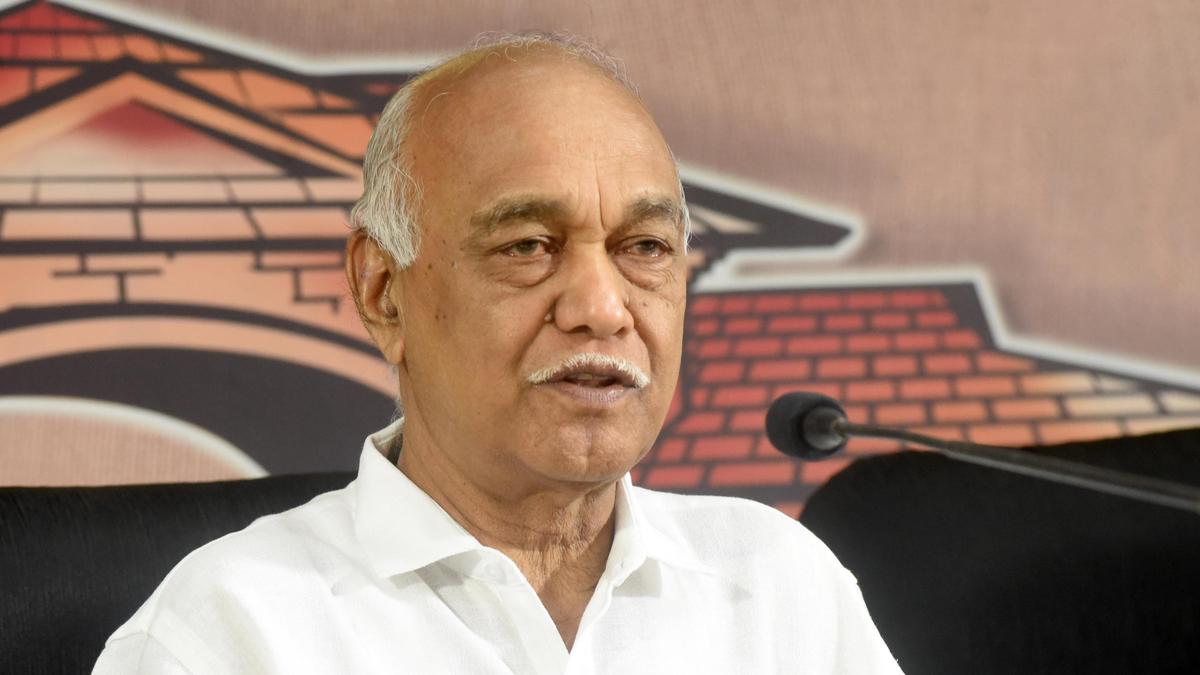
The Supreme Court's decision to move away from the 1978 'Bangalore Water Supply' precedent for defining 'industry' under the new Industrial Relations Code has sparked intense criticism. Trade unions and political leaders warn that this shift threatens worker protections and tilts power toward corporate interests.
The Shift in Industrial Jurisprudence: A Critical Analysis
The Erosion of a Half-Century Precedent
On August 20, 2026, a nine-judge bench of the Supreme Court delivered a landmark judgment in State of Uttar Pradesh versus Jai Bir Singh, fundamentally altering the legal landscape of labor relations in India. By ruling that the expansive, worker-friendly definition of 'industry' established in the 1978 Bangalore Water Supply and Sewerage Board versus R. Rajappa case no longer applies to the Industrial Relations Code (IRC) of 2020, the Court has effectively ended five decades of settled jurisprudence. This decision signals a significant departure from an era where the judiciary prioritized the broadest possible protection for workers.
Structural Concerns and Collective Bargaining
Left-leaning trade unions, including the CITU and AITUC, have reacted with alarm, describing the judgment as a 'structural tilt' toward managerial interests. The core of their concern lies in the potential erosion of collective bargaining power. By narrowing the definition of what constitutes an 'industry,' the legal scope for workers to engage in industrial disputes or seek legal recourse is significantly diminished, potentially leaving vast sections of the workforce outside the ambit of protective labor laws.
The Dissent: A Warning on Social Safety Nets
Justice B.V. Nagarathna’s 147-page dissent serves as the intellectual anchor for the opposition to this ruling. She explicitly questioned the necessity of reopening a settled legal framework, warning that dismantling the 1978 precedent risks 'tearing the frayed safety net' of labor law. Her dissent highlights the danger of granting corporations unchecked bargaining power, which could lead to a 'supercharged' imbalance in the employer-employee dynamic.
Political Implications and the IRC 2020
The Congress party has also weighed in, with General Secretary Jairam Ramesh arguing that the Industrial Relations Code, 2020, already contains provisions that weaken essential worker safeguards. The party contends that the Supreme Court’s decision, when combined with the government's legislative shifts, creates an environment of uncertainty. This uncertainty is viewed as detrimental to industrial peace, as the transition from the old Industrial Disputes Act to the new IRC lacks the clarity required to protect vulnerable labor groups.
Future Trends and the Impact on Labor Rights
Looking forward, the legal community and labor advocates anticipate a surge in litigation as disputes under the IRC 2020 reach the courts. Without the broad protections of the 1978 'Triple Test,' the judiciary will face the challenge of interpreting the new Code in a way that either reconciles corporate efficiency with labor welfare or risks further marginalizing the workforce. The long-term consequence of this ruling may well be a significant shift in the power dynamics of the Indian industrial sector, moving toward a more employer-centric model of governance.
Verification Required?