SC collegium recommends four judges for appointment as High Court chief justices
Source Entity
India Latest News: Top National Headlines Today & Breaking News | The Hindu
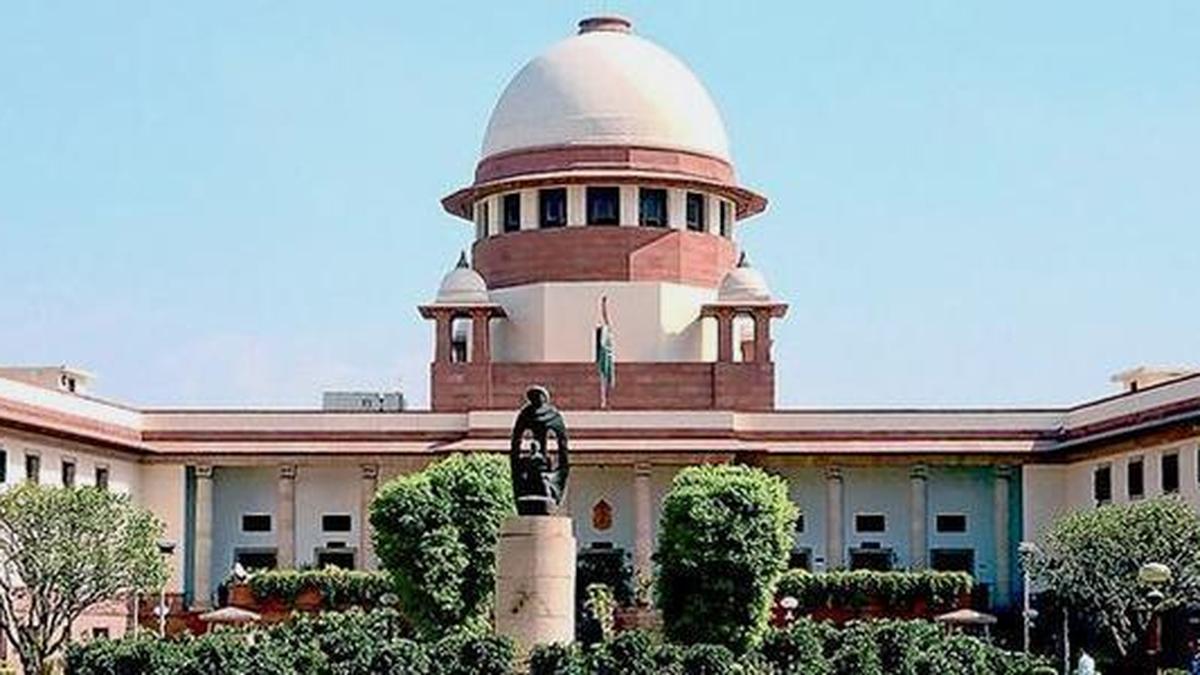
The Supreme Court Collegium has announced key judicial elevations while emphasizing institutional reforms. Efforts are underway to raise the retirement age for district judges and improve gender representation across the judiciary.
Judicial Appointments and Structural Reforms in India
Strategic Elevations for High Court Leadership
The Supreme Court Collegium has taken decisive steps in streamlining judicial leadership by recommending Justice P. Sam Koshy as the Chief Justice of the Delhi High Court. This recommendation is part of a broader administrative exercise involving four key appointments across the Gujarat, Telangana, and Uttarakhand High Courts. These appointments are critical for ensuring the functional stability of India’s higher judiciary, as the Chief Justice plays a pivotal role in managing the administrative workload and docket management of their respective courts.
The Retirement Age Debate
Simultaneously, the Supreme Court has addressed the long-standing issue of the retirement age for District Judicial Officers. A bench comprising Chief Justice Surya Kant and Justices Joymalya Bagchi and V. Mohana noted that 14 states have already agreed to raise the retirement age from 60 to 62 years. By declining to hear individual pleas from judges nearing retirement, the Court has signaled that this is a matter of policy negotiation between the judiciary and state governments rather than a subject for piecemeal litigation.
Institutionalizing Gender Diversity
In a significant push for inclusivity, the Chief Justice of India (CJI) has called upon High Court collegiums to actively consider meritorious women advocates practicing in the Supreme Court for elevation to the Bench. The CJI emphasized that such representation should be treated as a norm rather than an exception. This directive seeks to dismantle systemic barriers, ensuring that the judiciary reflects the diverse talent pool available within the legal profession.
Addressing Infrastructure and Equality
Beyond appointments, the judiciary is focusing on the practical environment for women advocates. The Supreme Court has directed states and Union Territories to allocate funds for the construction of essential facilities, such as bar rooms and dedicated washrooms for women lawyers. These measures are foundational to creating an equitable workplace, acknowledging that structural support is a prerequisite for fair representation.
The Path Forward
The CJI’s message is clear: women lawyers are not seeking concessions but are demanding the fair representation that has been historically elusive. By internalizing this necessity, the legal profession can foster a more inclusive environment. The ongoing dialogue between the Supreme Court and state governments regarding the retirement age and the push for gender parity suggest a concerted effort to modernize the Indian judicial system, ensuring it remains robust, representative, and responsive to the needs of its officers.
Verification Required?