Supreme Court says seize vehicle, stop RC, PUC renewal if e-challans not paid
Source Entity
AMIT ANAND CHOUDHARY
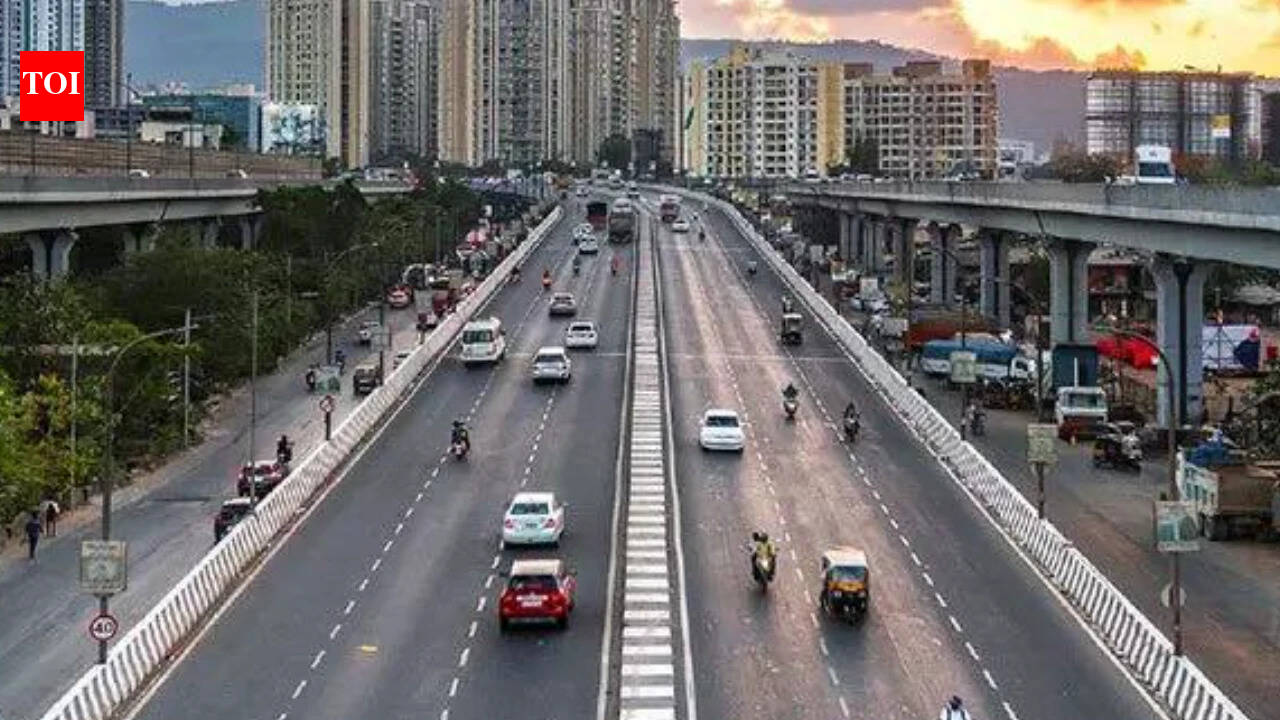
The Supreme Court has mandated strict enforcement for unpaid traffic fines, directing states to seize vehicles and block RC and PUC renewals. This move addresses the critical issue of over ₹23,000 crore in unrecovered e-challan penalties nationwide.
Supreme Court Mandates Strict Enforcement for Unpaid Traffic Fines
The Supreme Court of India, led by a bench comprising Justices JB Pardiwala and KV Viswanathan, has issued a stern directive to states and Union Territories regarding the massive backlog of unpaid traffic e-challans. With approximately ₹23,000 crore currently trapped in unrecovered penalties, the court has signaled an end to the culture of impunity that has allowed vehicle owners to ignore traffic violations for years. By tasking authorities with the seizure of vehicles and the suspension of registration certificate (RC) and Pollution Under Control (PUC) renewals, the judiciary is shifting the burden of compliance back onto the vehicle owners.
The Failure of Current Enforcement Mechanisms
Despite the widespread adoption of digital traffic management systems, the efficacy of the e-challan mechanism has been severely undermined by a lack of follow-through. The court explicitly noted that while police forces across India are capable of issuing lakhs of e-challans, the recovery process remains fundamentally broken. With nearly 47% of all issued challans remaining unpaid, the current system acts more as a suggestion than a deterrent, failing to instill the necessary discipline required to ensure road safety and compliance with the Motor Vehicles Act.
Impact on Regulatory Compliance
By targeting the renewal of Registration Certificates (RC) and Pollution Under Control (PUC) certificates, the Supreme Court is effectively leveraging the administrative lifecycle of vehicle ownership to force compliance. This strategy ensures that non-compliant vehicle owners cannot utilize essential government services until their financial obligations to the state are settled. This structural approach is designed to create a bottleneck that prevents chronic offenders from operating vehicles without clearing their dues.
Addressing the ₹23,000 Crore Revenue Gap
The staggering figure of ₹23,000 crore in unrecovered fines represents not just a loss of public revenue, but a significant challenge to the rule of law. When traffic violations go unpunished, the entire framework of road safety is compromised. The Court’s intervention is a clear message that digital infrastructure, such as CCTV cameras and automated sensors, is useless without a robust legal mechanism to enforce the consequences of the data they collect.
Future Trends in Traffic Management
Looking ahead, this judicial directive will likely force states to integrate their traffic databases with transport department portals, creating a unified digital wall against offenders. We can expect to see real-time alerts at inspection centers and potentially the integration of these penalties into insurance renewals. This shift marks a transition from passive digital surveillance to active enforcement, signaling a new era for traffic management in India where financial accountability is directly linked to the legal privilege of vehicle ownership.