8 students drown in Alandi: Family friend questions safety measures taken
Source Entity
Shubham Kurale, Sushant Kulkarni
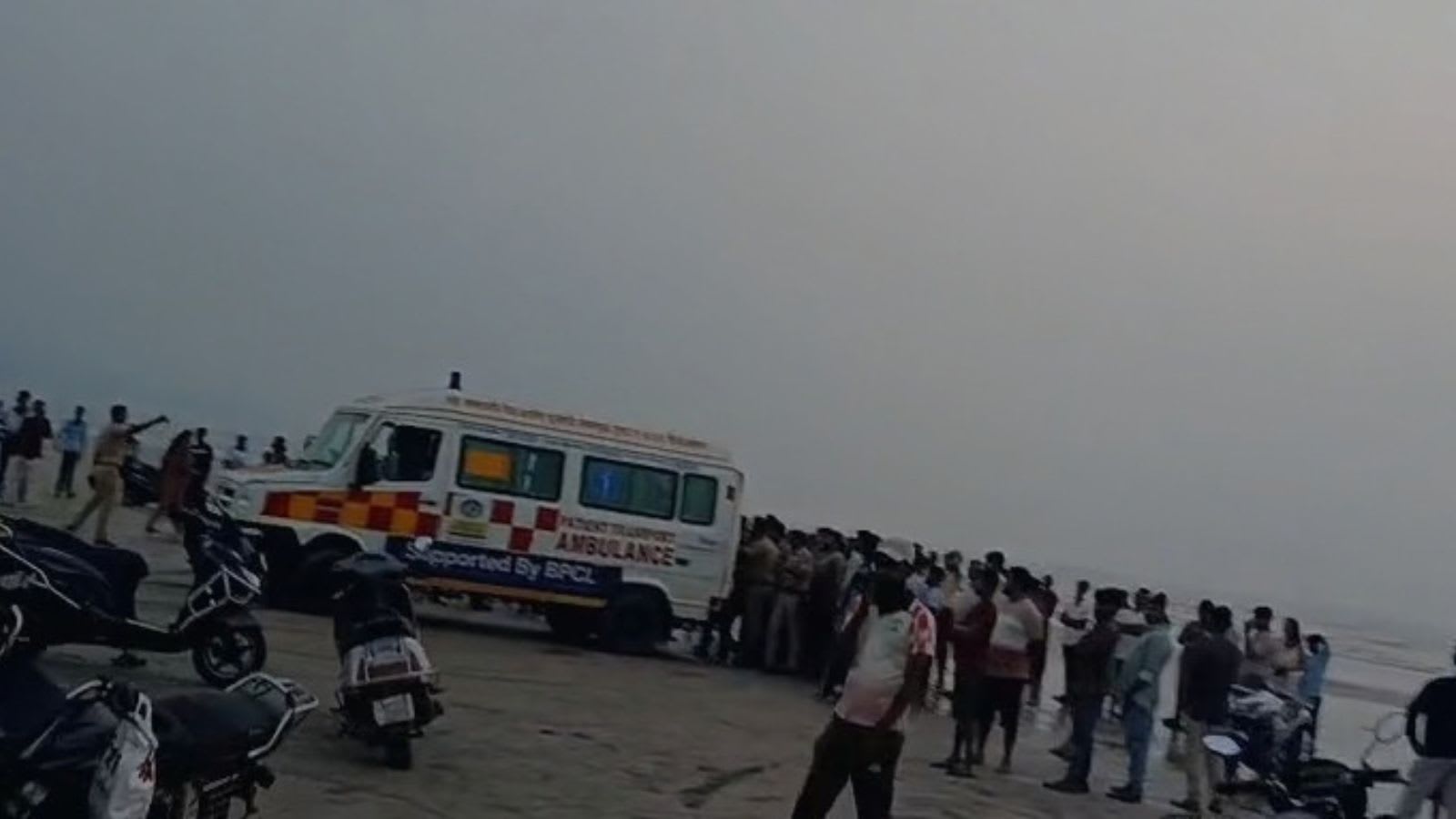
Eight students from a Pune coaching institute tragically drowned at Diveagar beach in Raigad after misjudging the tides. Local rescue efforts were unable to save the victims, prompting an administrative and legal investigation.
Tragedy at Diveagar Beach: A Comprehensive Overview
A day of recreation turned into an unimaginable tragedy at Diveagar beach in the Raigad district of Maharashtra this past Thursday. A group of students from a private coaching institute in Pune, who had organized a picnic, encountered fatal conditions upon entering the sea. According to reports from the Dighi Sagar police, the students misjudged the intensity of the tides and the depth of the water, leading to a situation where all eight individuals were swept away and subsequently drowned.
The Sequence of Events
The group had traveled from Pune via a hired private bus, intending to enjoy a day of leisure at the coastal destination. Upon arrival at the beach, the students ventured into the water, seemingly unaware of the treacherous currents or the shifting tide patterns characteristic of the region. As the situation escalated, locals and water sports personnel stationed at the beach immediately launched a rescue operation, attempting to pull the students from the surf. Despite the swift and frantic efforts of bystanders—including attempts at CPR and revival on the sand—none of the eight students survived.
Immediate Response and Recovery
The scene at the shoreline quickly transformed from a holiday setting to one of profound grief. As ambulances arrived and rescue operations concluded, authorities successfully recovered all eight bodies. The local administration and police have since initiated formal legal and administrative procedures to investigate the circumstances surrounding the incident, ensuring that all protocols regarding the tragedy are addressed.
Broader Implications for Student Excursions
This incident highlights the recurring risks associated with student group excursions, particularly in coastal areas where natural hazards like tides and undertows are often underestimated. While educational and social outings are vital for student development, the tragedy at Diveagar emphasizes the critical need for rigorous safety oversight during such trips. The loss of these young lives has prompted immediate reactions from government officials, with Maharashtra ministers expressing their condolences and calling for detailed reports on the safety measures that were in place.
Future Trends and Safety Necessities
Moving forward, this event is likely to trigger a broader conversation regarding the regulation of student picnics and the safety infrastructure at popular beaches. Experts suggest that future educational trips may face stricter guidelines, including mandatory lifeguard presence, clearer signage regarding tide timings, and a higher ratio of adult supervisors to students. The collective trauma of this event serves as a somber reminder of the unpredictability of marine environments and the necessity of proactive safety management in tourism and education sectors alike.
Multiple Citing Sources